Why Fabric Density Matters: The Hidden Secret Behind Comfortable, Durable, and High-Quality Clothing
When people shop for clothing, they often focus on color, design, pattern, brand, or price. While these factors certainly influence purchasing decisions, one of the most important characteristics of any garment usually remains unnoticed—fabric density. The density of a fabric plays a significant role in determining how a garment feels, performs, lasts, and responds to everyday wear. Understanding Why Fabric Density Matters helps consumers make informed choices while enabling designers, manufacturers, and fashion enthusiasts to appreciate the craftsmanship behind high-quality clothing.
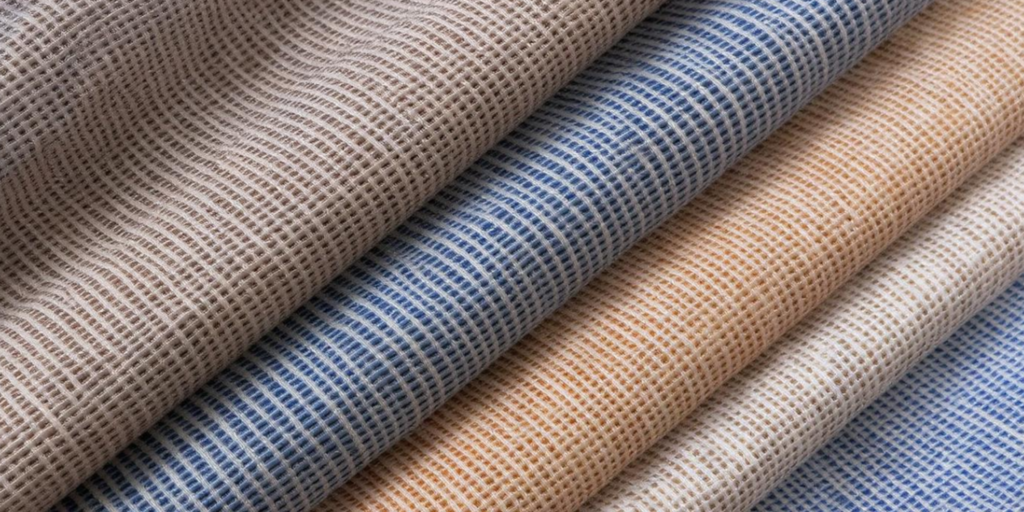
Fabric density refers to how closely yarns are woven or knitted together within a textile. This structural characteristic influences everything from softness and breathability to durability, insulation, flexibility, and appearance. Two garments made from the same fiber, such as cotton or linen, can perform very differently simply because of differences in fabric density. A lightweight cotton shirt may feel cool and breathable during summer, while a densely woven cotton jacket provides greater structure and durability during cooler weather.
As consumers become increasingly interested in quality over quantity, Why Fabric Density Matters has become a valuable topic within modern fashion. Rather than purchasing clothing based only on appearance, many shoppers now evaluate comfort, longevity, sustainability, and performance before making decisions. Fabric density helps determine all of these characteristics, making it one of the most important yet overlooked aspects of garment construction.
Fashion trends may continue changing every season, but selecting well-constructed fabrics with appropriate density remains a timeless principle for building comfortable, durable, and stylish wardrobes.
Understanding Fabric Density
Fabric density describes the number of threads or yarns woven or knitted into a specific area of fabric. Higher density generally means fibers are packed more closely together, while lower density creates lighter, more open textiles.
One important reason Why Fabric Density Matters is because this construction directly affects how clothing behaves during everyday use.
Density influences both function and appearance.
Structure shapes performance.
Fabric Density Is More Than Thickness
Many people confuse dense fabrics with thick fabrics, yet these characteristics are not always identical. A fabric can be lightweight while maintaining high density through fine, tightly woven fibers. Likewise, bulky materials may have relatively low density despite appearing thick.
Understanding this distinction helps consumers evaluate garments more accurately.
Construction matters more than appearance alone.
Quality depends upon careful engineering.
How Fabric Density Influences Durability
One of the greatest advantages of appropriate fabric density is improved durability. Tightly constructed fabrics generally resist tearing, stretching, and abrasion more effectively than loosely woven alternatives.
Clothing designed for regular use, including jeans, jackets, uniforms, and workwear, often benefits from stronger fabric construction.
Durability supports long-term value.
Quality clothing lasts longer.
Breathability and Fabric Density
Although dense fabrics provide strength, breathability remains equally important. Lightweight open weaves allow greater airflow, making them especially suitable for warm climates and summer clothing.
Choosing appropriate density according to weather conditions improves overall comfort.
Balanced construction enhances wearability.
Freshness encourages everyday comfort.
Fabric Density and Comfort
Comfort depends upon multiple factors including fiber type, finishing techniques, fabric weight, and density.
A carefully balanced textile provides softness while maintaining sufficient structure for the intended garment.
Understanding Why Fabric Density Matters helps explain why seemingly similar fabrics often feel remarkably different.
Comfort begins with thoughtful construction.
Well-designed textiles improve daily experiences.
The Relationship Between Density and Warmth
Higher fabric density generally traps more air, helping garments retain warmth during colder seasons.
Winter coats, wool jackets, heavy trousers, and structured outerwear often rely upon denser textiles for improved insulation.
Warmth depends upon intelligent fabric selection.
Seasonal comfort requires appropriate density.
Summer Clothing Benefits from Balanced Density
Summer clothing typically performs best when fabrics remain breathable while maintaining sufficient durability.
Cotton, linen, and lightweight blends frequently achieve this balance through carefully controlled weave density.
Comfortable summer fashion reflects thoughtful textile design.
Light fabrics encourage freedom of movement.
Why Fashion Designers Consider Fabric Density
Professional designers carefully evaluate density before selecting textiles for each garment. Dresses, shirts, trousers, suits, activewear, evening gowns, and jackets all require different structural characteristics.
The wrong fabric density may affect draping, movement, comfort, and overall appearance.
Every garment begins with suitable material selection.
Design depends upon construction.
Fabric Density and Garment Shape
Fabric density influences how clothing hangs on the body. Denser materials generally maintain structured silhouettes, while lighter constructions create softer movement.
Flowing dresses require different densities than tailored blazers or formal trousers.
Shape reflects textile behavior.
Structure creates elegance.
Wrinkle Resistance
Appropriate density also contributes toward wrinkle resistance. While fiber composition remains important, certain densely woven fabrics maintain smoother appearances throughout daily activities.
This characteristic proves especially valuable for travel, office clothing, and formal wear.
Neat garments enhance confidence.
Quality fabrics simplify maintenance.
Fabric Density in Sportswear
Athletic clothing requires balanced density supporting flexibility, moisture management, durability, and comfort.
Modern performance fabrics achieve remarkable results by combining advanced fibers with carefully engineered textile structures.
Innovation improves athletic performance.
Technology enhances comfort.
Luxury Fashion and Premium Fabrics
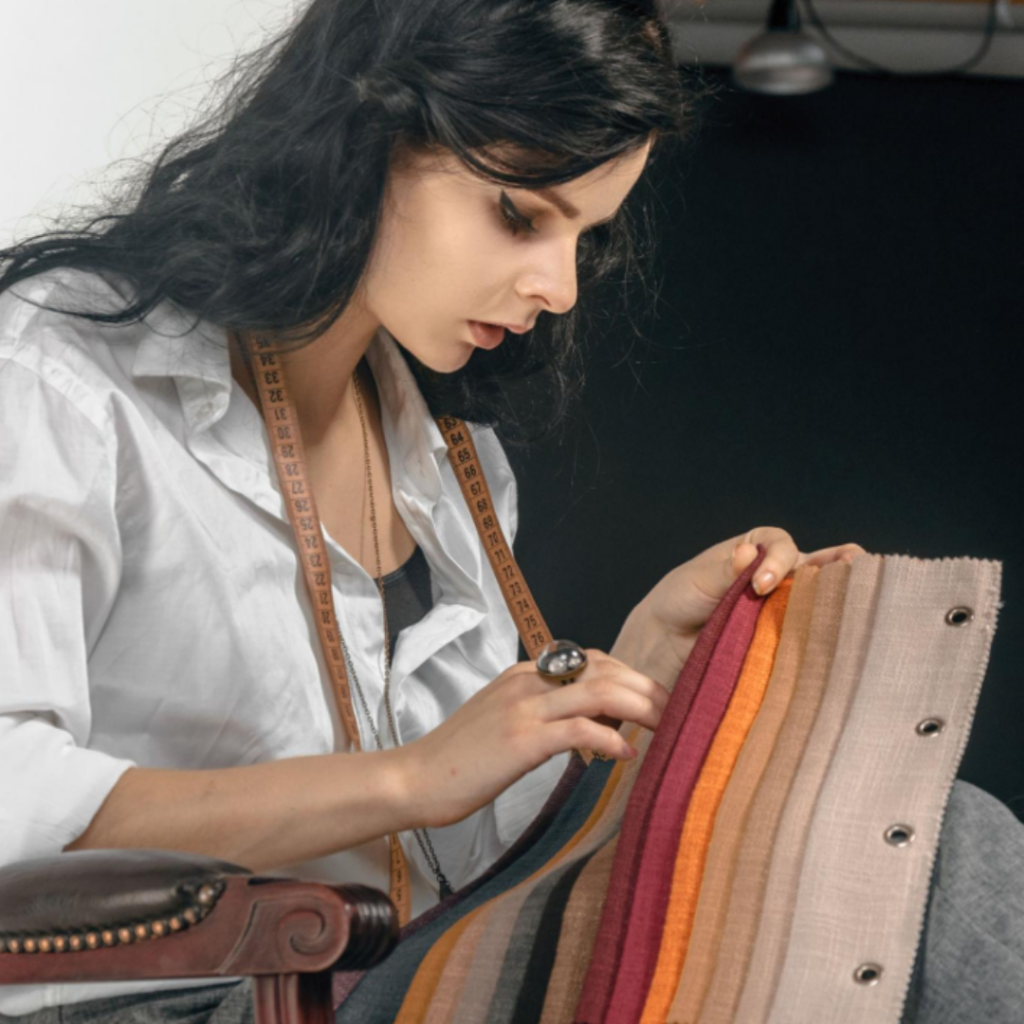
Luxury fashion frequently emphasizes carefully selected fabrics with exceptional density, refined weaving, and superior finishing.
Consumers often recognize premium garments through their smooth texture, balanced weight, and consistent construction.
Craftsmanship distinguishes exceptional clothing.
Quality becomes immediately noticeable.
Sustainable Fashion and Fabric Density
Long-lasting clothing contributes positively toward sustainability because durable garments reduce unnecessary replacement.
One reason Why Fabric Density Matters continues gaining attention involves supporting responsible purchasing habits.
Investing in well-constructed fabrics encourages thoughtful consumption rather than frequent disposal.
Durability supports environmental responsibility.
Quality reduces waste.
Fabric Density Across Different Materials
Every fiber behaves differently according to its density.
Cotton may become lightweight or structured, linen may appear airy or substantial, wool can range from delicate to heavy, while denim demonstrates exceptional durability through dense construction.
Material and density always work together.
Textile performance depends upon both factors.
Choosing the Right Fabric Density
Consumers benefit from selecting density according to garment purpose.
Lightweight fabrics suit hot climates, vacations, and casual summer wear. Medium-density textiles perform well for everyday clothing, while heavier constructions support jackets, uniforms, and cooler weather apparel.
Purpose determines ideal fabric choice.
Thoughtful selection improves satisfaction.
Fabric Density and Clothing Longevity
Clothing experiences repeated washing, movement, stretching, sunlight exposure, and everyday wear.
Well-balanced fabric density helps garments maintain shape, resist fading, and withstand regular use more effectively.
Long-lasting wardrobes begin with better textiles.
Quality remains visible over time.
Understanding Fabric Labels
Although clothing labels rarely state density directly, fiber composition, fabric weight, weave descriptions, and garment construction provide useful clues regarding overall performance.
Learning to evaluate fabric by touch, appearance, and flexibility also improves purchasing confidence.
Knowledge supports smarter shopping.
Observation reveals quality.
Fabric Density in Everyday Fashion
Everyday clothing benefits from balanced density that combines comfort with durability.
T-shirts, shirts, dresses, trousers, skirts, and knitwear all perform differently depending upon textile construction.
Appropriate density allows garments to remain attractive throughout repeated wear.
Daily comfort depends upon thoughtful design.
Practical fashion creates lasting value.
Why Fabric Density Matters for Fashion Students
Students studying fashion design, textile technology, merchandising, or garment production should understand fabric density because it influences every stage of clothing development.
From pattern selection to sewing techniques and quality inspection, textile structure remains essential knowledge.
Education strengthens professional expertise.
Understanding inspires better design.
Common Misconceptions About Fabric Density
Some shoppers assume heavier fabrics automatically represent better quality, while others believe lightweight materials always provide greater comfort.
In reality, ideal density depends entirely upon garment purpose, climate, fiber composition, and intended use.
Balanced evaluation prevents purchasing mistakes.
Knowledge improves decision-making.
The Future of Textile Innovation
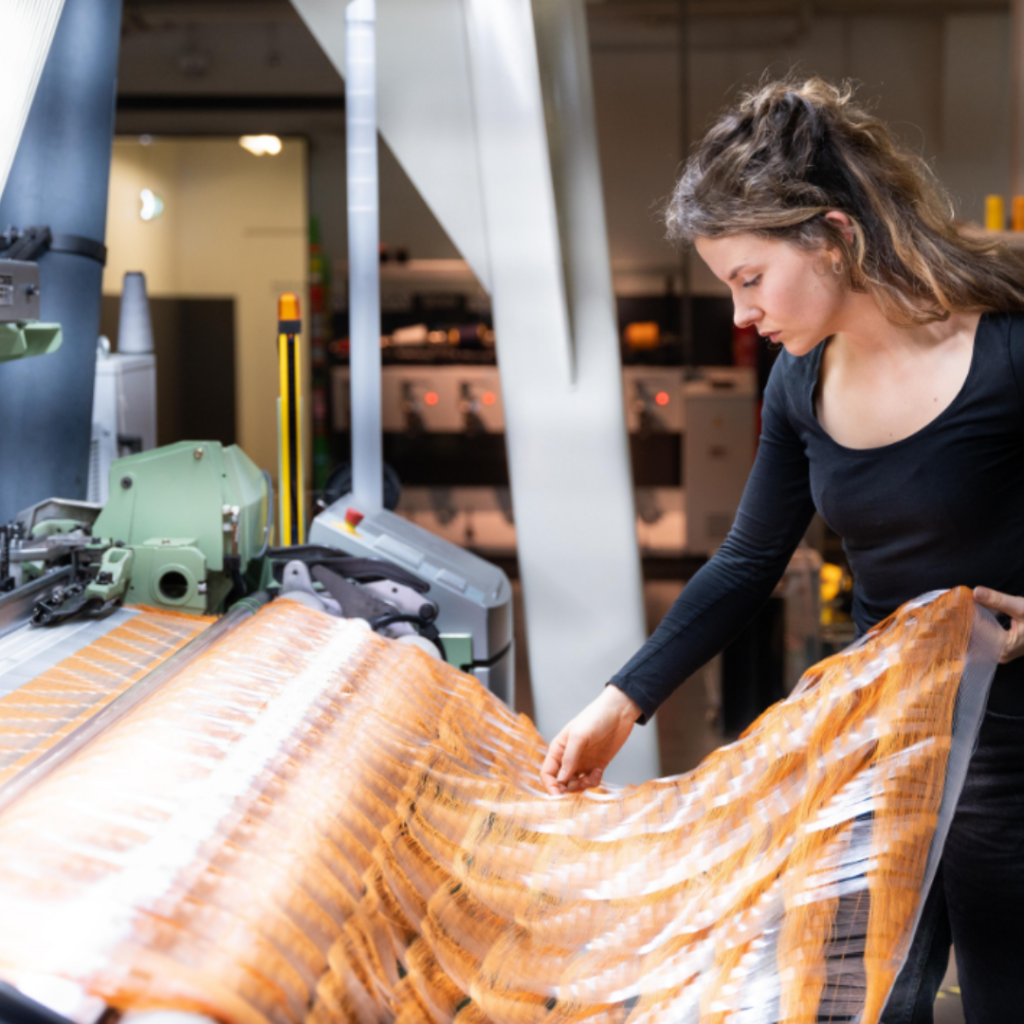
Textile technology continues advancing through sustainable fibers, engineered weaves, recycled materials, and intelligent manufacturing processes.
Future fabrics will increasingly combine lightweight comfort with exceptional strength through innovative density management.
Innovation shapes tomorrow’s fashion.
Technology expands textile possibilities.
Conclusion
Understanding Why Fabric Density Matters empowers consumers, designers, and fashion enthusiasts to appreciate one of the most important foundations of garment quality. Fabric density influences durability, breathability, comfort, warmth, flexibility, wrinkle resistance, appearance, and long-term performance. Whether selecting everyday casual wear, business attire, sportswear, luxury garments, or seasonal clothing, choosing fabrics with appropriate density significantly improves satisfaction and wardrobe value.
By learning about Fabric Density in Fashion, Fabric Quality, Textile Construction, Garment Quality, and Fashion Fabrics, individuals make smarter purchasing decisions while developing greater appreciation for textile craftsmanship. Fashion is not defined solely by colors or trends; it begins with the invisible qualities that determine how garments feel, perform, and endure.
Ultimately, fabric density reminds us that true quality lies beneath the surface. When clothing combines thoughtful textile construction with excellent design and premium materials, it delivers comfort, durability, elegance, and confidence that last far beyond a single fashion season.