Fashion Lessons From Different Cultures
Fashion has always been more than clothing. Across generations and continents, it has served as a powerful form of identity, storytelling, craftsmanship, and cultural expression. Every region of the world has developed distinctive styles influenced by climate, history, traditions, beliefs, available resources, and artistic creativity. While modern fashion changes rapidly with seasonal trends, many timeless principles continue to emerge from traditional cultures that have refined their clothing practices over centuries. Understanding Fashion Lessons From Different Cultures allows us to appreciate not only beautiful garments but also the values, techniques, and philosophies that have shaped global fashion throughout history.
As communication and travel have become more accessible, people are increasingly inspired by styles from different parts of the world. Designers regularly incorporate traditional embroidery, handcrafted textiles, natural fabrics, cultural silhouettes, and historical patterns into contemporary collections. However, the true value of Fashion Lessons From Different Cultures extends beyond aesthetics. These traditions teach important ideas about craftsmanship, sustainability, patience, quality, functionality, respect for heritage, and meaningful self-expression. Instead of viewing clothing as disposable, many cultures encourage thoughtful choices that celebrate both artistry and longevity.
The growing appreciation for Fashion Lessons From Different Cultures also reflects a broader movement toward conscious fashion. Consumers are becoming more interested in garments that tell authentic stories, support skilled artisans, and preserve traditional textile techniques. Handmade weaving, natural dyeing, embroidery, tailoring, and regional craftsmanship demonstrate remarkable attention to detail that continues to inspire modern designers seeking originality without sacrificing quality. These cultural influences remind us that fashion can preserve history while embracing innovation.
Learning Fashion Lessons From Different Cultures encourages a more respectful understanding of fashion as a universal language connecting people across borders. Every traditional garment reflects generations of knowledge, creativity, and adaptation. By exploring diverse cultural fashion traditions with appreciation and sensitivity, individuals gain valuable inspiration while recognizing the importance of honoring the communities that continue preserving these remarkable artistic legacies.
Fashion Reflects Cultural Identity
Clothing has long served as a visual expression of identity. Traditional garments often communicate family heritage, regional customs, celebrations, occupations, social roles, and important life events. Fashion therefore represents much more than appearance.
Understanding Fashion Lessons From Different Cultures begins with recognizing clothing as an expression of cultural identity rather than simply a collection of fabrics.
Fashion tells meaningful stories.
Identity influences personal style.
Culture shapes clothing traditions.
The Beauty of Traditional Craftsmanship
Many traditional garments are created using techniques that require exceptional patience and skill. Hand embroidery, weaving, dyeing, beadwork, knitting, and tailoring have been passed through generations, preserving remarkable artistic knowledge.
Craftsmanship strengthens Fashion Lessons From Different Cultures.
Skilled artisans preserve heritage.
Quality reflects dedication.
Handmade work celebrates creativity.
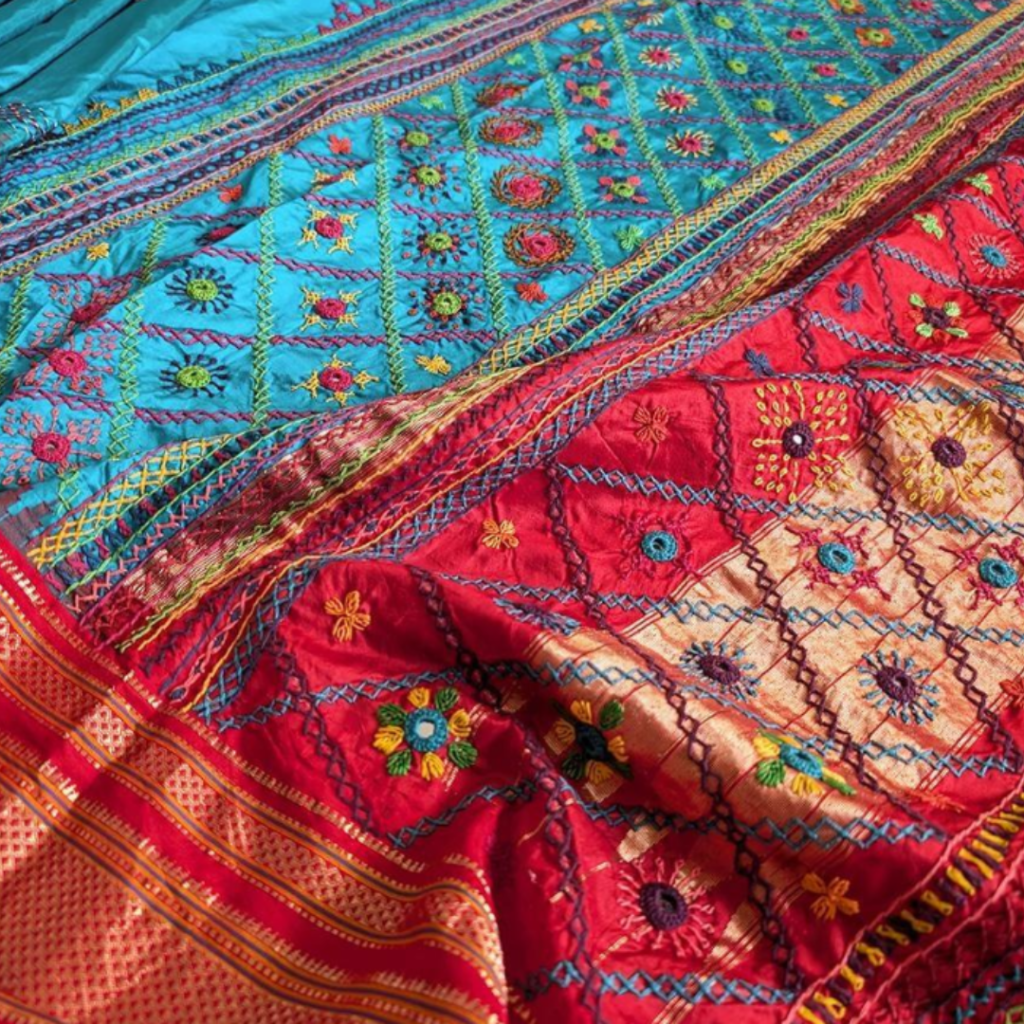
India: Celebrating Color and Textile Heritage
India offers one of the world’s richest textile traditions. Sarees, handwoven fabrics, intricate embroidery, block printing, and regional craftsmanship demonstrate remarkable diversity. Every state contributes unique weaving methods and artistic traditions that continue inspiring international designers.
Indian heritage enriches Fashion Lessons From Different Cultures.
Traditional textiles showcase exceptional artistry.
Vibrant colors express cultural richness.
Heritage remains relevant today.
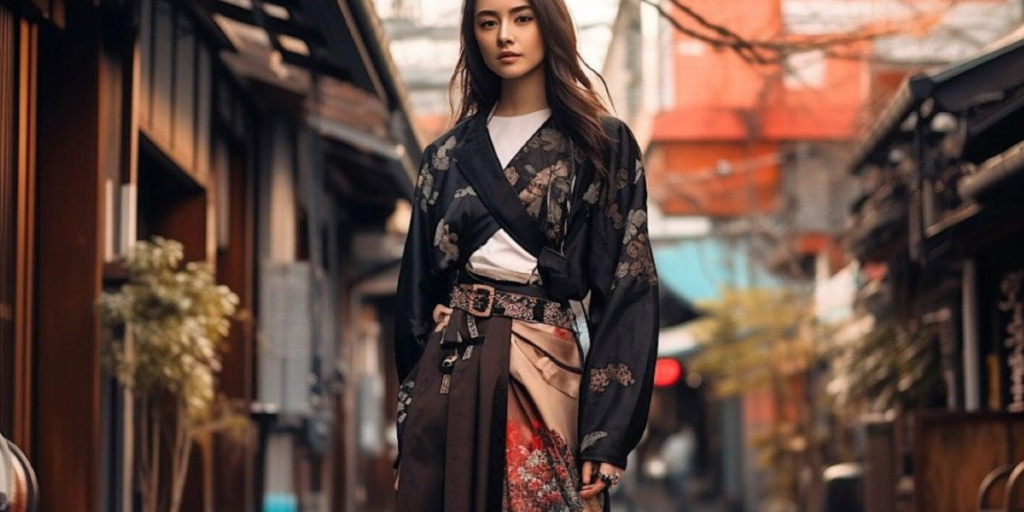
Japan: Simplicity, Balance, and Precision
Japanese fashion traditions emphasize elegance through simplicity, careful tailoring, balanced proportions, and appreciation for natural beauty. Traditional garments like the kimono demonstrate thoughtful construction and timeless design principles.
Japanese influence enhances Fashion Lessons From Different Cultures.
Minimalism creates lasting elegance.
Attention to detail improves craftsmanship.
Balanced design supports timeless fashion.
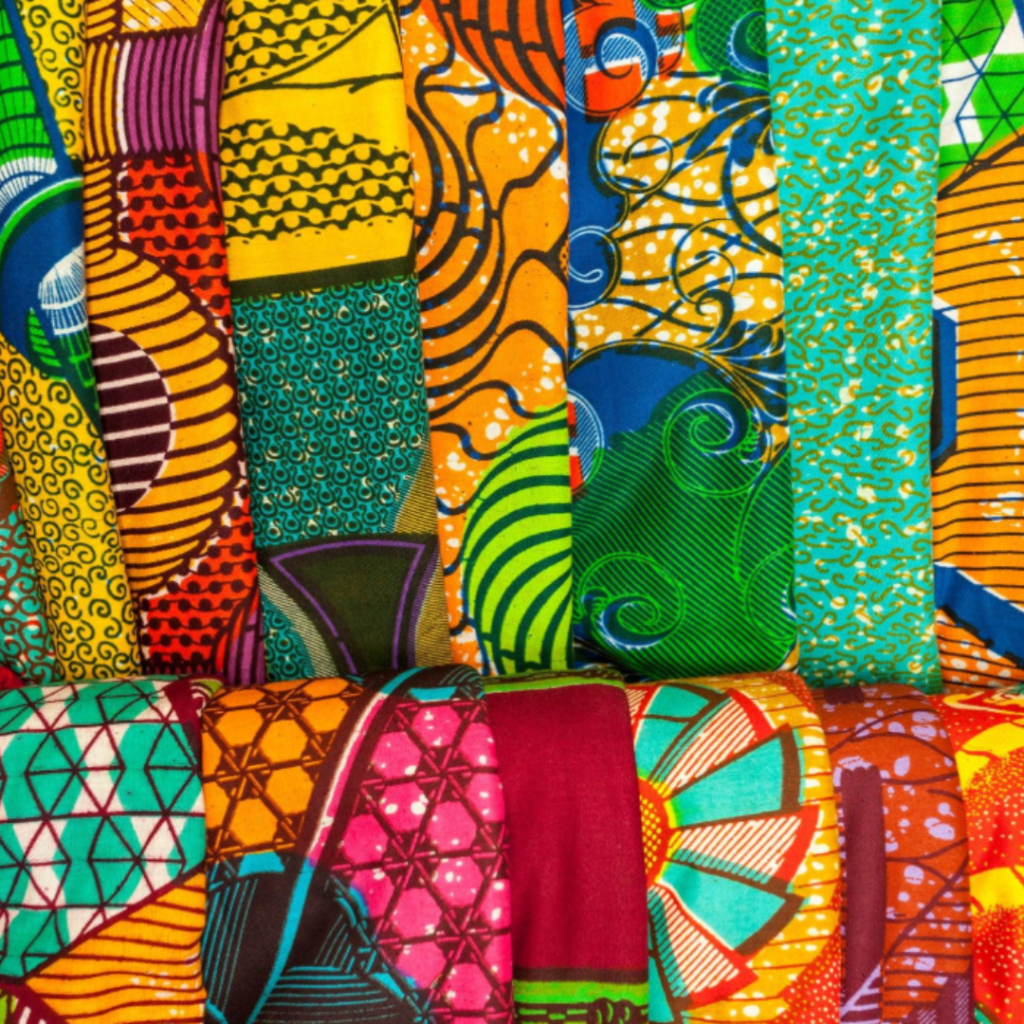
Africa: Bold Patterns and Creative Expression
African fashion celebrates vibrant colors, symbolic patterns, handwoven fabrics, and distinctive textile traditions that vary across regions. Many designs communicate history, community values, and artistic identity.
African traditions strengthen Fashion Lessons From Different Cultures.
Bold creativity inspires confidence.
Textiles preserve cultural heritage.
Patterns tell meaningful stories.
Scandinavia: Function Meets Simplicity
Scandinavian fashion emphasizes practicality, comfort, clean lines, and natural materials. Rather than chasing temporary trends, many designs focus on durability and versatile everyday wear.
Scandinavian style supports Fashion Lessons From Different Cultures.
Practical fashion remains timeless.
Quality encourages long-term use.
Minimalism promotes versatility.
The Importance of Sustainable Traditions
Long before sustainability became a global conversation, many cultures practiced responsible clothing production through careful craftsmanship, natural materials, repairing garments, and extending clothing lifespan.
Sustainability reinforces Fashion Lessons From Different Cultures.
Responsible consumption preserves resources.
Traditional wisdom supports modern sustainability.
Thoughtful fashion reduces unnecessary waste.
Clothing Designed for Climate
Traditional clothing often reflects local environmental conditions. Loose garments support warm climates, while layered clothing provides insulation in colder regions. Fashion developed naturally alongside geography.
Climate awareness strengthens Fashion Lessons From Different Cultures.
Function influences design.
Comfort improves everyday wear.
Nature inspires practical solutions.
Handmade Fashion Builds Appreciation
Handcrafted garments require significant time, patience, and technical expertise. Understanding this effort encourages greater appreciation for clothing quality rather than focusing only on quantity.
Handmade traditions improve Fashion Lessons From Different Cultures.
Patience creates exceptional craftsmanship.
Quality deserves recognition.
Artisans preserve valuable skills.
Fashion as Storytelling
Many traditional garments include symbolic embroidery, colors, patterns, or accessories representing important cultural beliefs, historical events, or family traditions. Every detail contributes to meaningful storytelling.
Storytelling enriches Fashion Lessons From Different Cultures.
Clothing communicates history.
Symbols preserve cultural memory.
Fashion becomes living heritage.
Respecting Cultural Inspiration
Global fashion benefits from cultural inspiration when approached respectfully. Learning about origins, acknowledging traditions, and appreciating authentic craftsmanship helps preserve cultural integrity.
Respect enhances Fashion Lessons From Different Cultures.
Knowledge encourages appreciation.
Responsible inspiration supports cultural understanding.
Authenticity preserves heritage.
Quality Over Quantity
Many traditional cultures prioritize durable garments created with exceptional care rather than constantly replacing clothing. This philosophy remains increasingly relevant today.
Quality reinforces Fashion Lessons From Different Cultures.
Well-made garments last longer.
Thoughtful purchases improve wardrobes.
Timeless fashion reduces unnecessary consumption.
Fashion and Community
Clothing often brings communities together during celebrations, ceremonies, festivals, and family gatherings. Traditional garments strengthen cultural identity while creating shared experiences across generations.
Community strengthens Fashion Lessons From Different Cultures.
Shared traditions preserve belonging.
Celebrations honor heritage.
Fashion connects generations.
Modern Designers Inspired by Culture
Contemporary designers frequently study historical garments and traditional craftsmanship when creating new collections. Responsible inspiration combines innovation with appreciation for cultural heritage.
Modern creativity supports Fashion Lessons From Different Cultures.
History inspires innovation.
Tradition shapes contemporary design.
Creative evolution respects heritage.
What Global Fashion Teaches Us
Exploring international fashion encourages openness, curiosity, and appreciation for diverse perspectives. Every culture contributes valuable ideas about beauty, craftsmanship, sustainability, and self-expression.
Global understanding reinforces Fashion Lessons From Different Cultures.
Diversity enriches creativity.
Learning broadens fashion awareness.
Respect encourages meaningful inspiration.
Applying Cultural Lessons to Everyday Style
Individuals can incorporate timeless cultural principles by valuing quality, supporting artisans, choosing sustainable materials, appreciating craftsmanship, and building versatile wardrobes that emphasize thoughtful fashion choices.
Everyday application strengthens Fashion Lessons From Different Cultures.
Simple habits create lasting elegance.
Responsible fashion supports meaningful style.
Balanced wardrobes reflect thoughtful decisions.
The Future of Global Fashion
As consumers increasingly value authenticity, sustainability, and craftsmanship, traditional cultural knowledge continues influencing future fashion. Heritage and innovation are becoming partners rather than opposites.
Future trends strengthen Fashion Lessons From Different Cultures.
Tradition remains relevant.
Innovation respects historical knowledge.
Global fashion continues evolving responsibly.
Conclusion
Fashion Lessons From Different Cultures remind us that clothing is far more than a way to follow trends—it is a meaningful expression of history, identity, craftsmanship, and shared human creativity. Every culture offers unique insights into the art of dressing, whether through India’s extraordinary textile traditions, Japan’s elegant simplicity, Africa’s vibrant patterns, or Scandinavia’s practical minimalism. These traditions demonstrate that true fashion extends beyond seasonal collections and temporary popularity. Instead, it reflects values such as patience, quality, sustainability, functionality, and respect for artistic heritage that continue to inspire modern designers and conscious consumers around the world.
As the fashion industry evolves, Fashion Lessons From Different Cultures encourage a deeper appreciation for authenticity, responsible consumption, and timeless craftsmanship. By learning from global traditions, supporting skilled artisans, and embracing quality over excessive consumption, individuals can build wardrobes that combine modern style with cultural respect and environmental awareness. Fashion becomes most meaningful when it celebrates diversity, preserves heritage, and inspires thoughtful choices that honor the remarkable creativity found across every corner of the world. Through this balanced approach, cultural fashion continues to shape a future where elegance, sustainability, and tradition exist together in harmony.