Why Positive Fashion Evolution Continues Changing Beauty Standards Worldwide
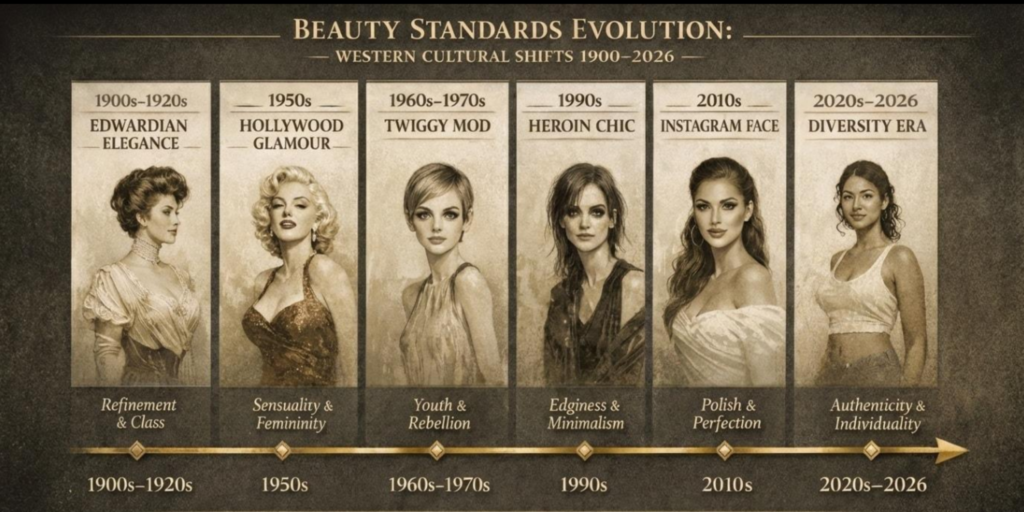
Fashion has always reflected society’s ideas about beauty, identity, status, and culture. Throughout history, beauty standards have continuously evolved based on political movements, social expectations, celebrity influence, economic conditions, and artistic expression. What society considered beautiful hundreds of years ago is often very different from today’s modern ideals.
In 2026, beauty standards are becoming more inclusive, diverse, and confidence-driven than ever before. Modern fashion now celebrates individuality, body positivity, cultural diversity, gender expression, and personal style rather than forcing people into one narrow definition of beauty.
However, the journey toward inclusivity has been long and complicated. Fashion history includes periods of extreme beauty expectations, unrealistic body standards, restrictive clothing trends, and social pressure that deeply influenced how people viewed themselves.
Understanding the evolution of beauty standards through fashion helps explain how style trends shape society and how modern fashion is moving toward healthier and more empowering ideals.
This blog explores how beauty standards evolved across different eras and how fashion continues influencing perceptions of beauty around the world.
Positive Ancient Fashion Standards Reflecting Status and Elegance
In ancient civilizations, beauty standards were strongly connected to social class, wealth, and cultural traditions.
Ancient Egypt
In Ancient Egypt, beauty represented:
- Symmetry
- Hygiene
- Luxury
- Spiritual power
Both men and women used:
- Makeup
- Jewelry
- Decorative clothing
- Fragrances
Fashion emphasized elegance through linen garments, gold accessories, and dramatic eye makeup.
Ancient Greece
Greek beauty ideals focused on:
- Athletic bodies
- Balanced proportions
- Natural beauty
Loose draped clothing such as tunics and robes reflected simplicity and harmony.
Beauty during these periods was deeply linked to social identity and cultural values.
Negative Restrictive Beauty Standards During Historical Royal Eras
As royal fashion evolved across Europe, beauty standards became increasingly restrictive and difficult to maintain.
During the Renaissance and Victorian eras, women were expected to achieve highly controlled appearances through:
- Tight corsets
- Heavy layered gowns
- Pale skin ideals
- Elaborate hairstyles
Corsets especially created dangerous beauty expectations by forcing extremely small waistlines.
Women often experienced:
- Physical discomfort
- Breathing difficulties
- Limited mobility
Positive Historical Influence
Although restrictive, these eras also shaped:
- Luxury tailoring
- Elegant craftsmanship
- Haute couture traditions
- Sophisticated textile design
Fashion became an artistic symbol of wealth and status.
Stylish 1920s Fashion Challenging Traditional Beauty Expectations
The 1920s marked one of the biggest transformations in beauty standards and fashion history.
Women began embracing:
- Short hairstyles
- Relaxed silhouettes
- Shorter dresses
- More freedom in movement
The iconic “flapper” style challenged older conservative beauty ideals.
Fashion during this period reflected:
- Independence
- Social liberation
- Modern femininity
- Youthful energy
The slim and androgynous silhouette became highly fashionable, replacing heavily structured Victorian fashion.
This era showed how fashion can mirror major social change.
Hollywood Influence Creating Glamorous Fashion Ideals
From the 1930s through the 1950s, Hollywood played a massive role in shaping global beauty standards.
Film stars influenced fashion trends through:
- Elegant gowns
- Tailored silhouettes
- Glamorous makeup
- Sophisticated hairstyles
Women admired celebrity-inspired beauty ideals that emphasized:
- Feminine curves
- Luxury styling
- Refined elegance
Hollywood transformed fashion into a global aspiration industry.
Celebrity influence on beauty standards remains powerful even today.
For fashion history insights and cultural fashion analysis, visit Vogue Fashion History
Unrealistic Thinness Trends in Late 20th Century Fashion
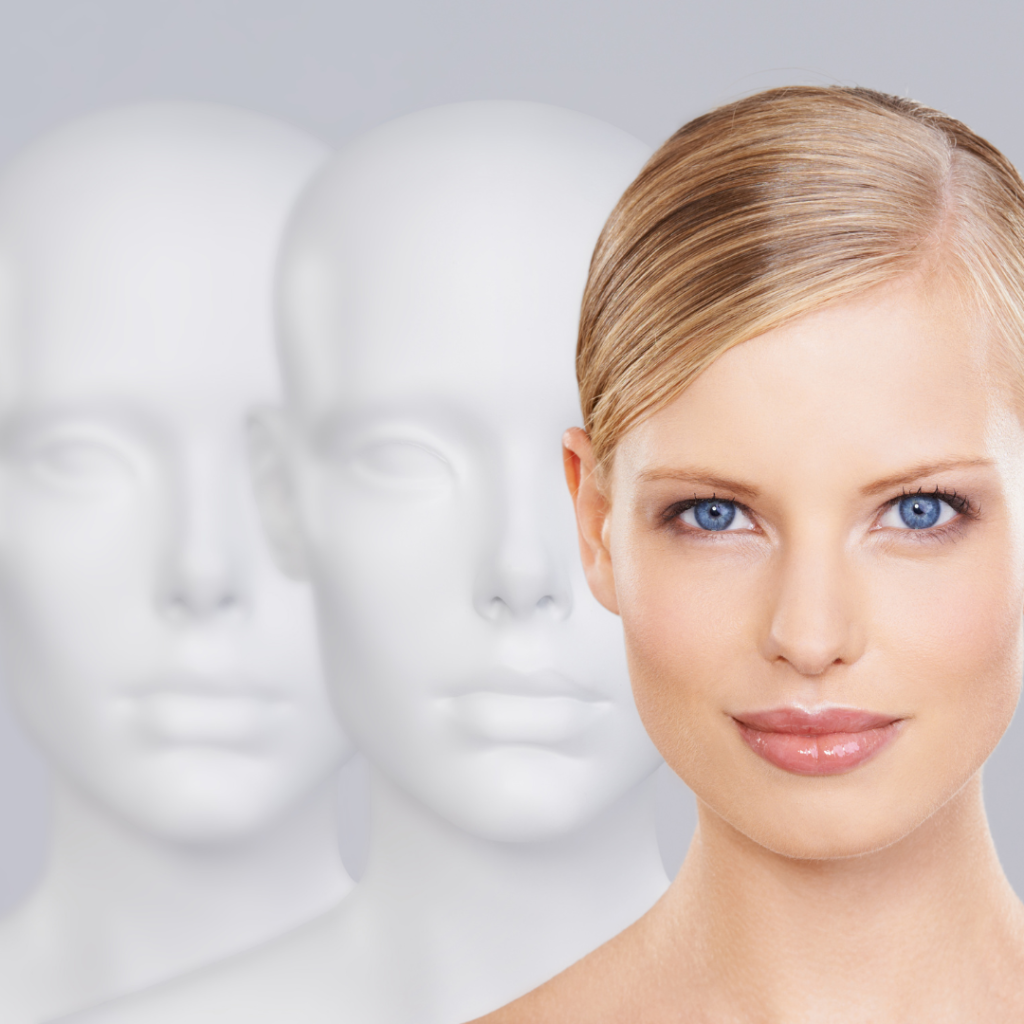
By the late 20th century, fashion beauty standards became increasingly focused on extreme thinness.
Runway and magazine culture often promoted:
- Very slim body types
- Unrealistic beauty expectations
- Highly edited imagery
- Limited diversity
This period created significant pressure on many individuals, especially young women.
Common negative impacts included:
- Body image insecurity
- Low self-confidence
- Unhealthy beauty comparisons
- Unrealistic fashion expectations
Positive Industry Shift
Over time, public conversations about mental health and body positivity encouraged fashion brands to reconsider narrow beauty standards.
The fashion industry slowly began moving toward more inclusive representation.
Diversity and Inclusivity Transforming Modern Fashion
One of the biggest fashion changes in recent years is the rise of inclusivity and diversity.
Modern beauty standards increasingly celebrate:
- Different body shapes
- Various skin tones
- Diverse cultural identities
- Gender-fluid fashion
- Natural beauty
Runways and campaigns now feature:
- Plus-size models
- Older models
- Diverse ethnic representation
- Disability-inclusive fashion
Consumers increasingly support brands that reflect real-world diversity.
Fashion today is becoming less about perfection and more about authenticity.
Social Media Creating Both Positive and Negative Beauty Standards
Social media has dramatically changed how beauty standards spread worldwide.
Platforms such as:
- TikTok
have accelerated fashion trends faster than ever before.
Positive Influence
Social media allows:
- Diverse creators to gain visibility
- Independent fashion movements to grow
- Personal style expression
- Body positivity communities
Negative Influence
At the same time, social media can also create:
- Unrealistic filters
- Edited beauty expectations
- Comparison culture
- Trend pressure
Modern consumers are increasingly learning to balance inspiration with authenticity.
Gender-Neutral Fashion Breaking Traditional Beauty Rules
Fashion in 2026 is increasingly embracing gender-neutral and nontraditional beauty standards.
Modern fashion now includes:
- Oversized silhouettes
- Fluid tailoring
- Unisex collections
- Relaxed styling aesthetics
This movement challenges older ideas that fashion and beauty must follow strict gender expectations.
Younger generations especially value:
- Freedom of expression
- Comfort-driven style
- Individual creativity
- Personal identity through clothing
Fashion is becoming more flexible and less restrictive than ever before.

Fast Fashion Trends Encouraging Unrealistic Consumption
The rise of fast fashion created another form of beauty pressure through constant trend cycles.
Consumers often feel pressured to:
- Buy new clothing constantly
- Follow every viral trend
- Maintain influencer-inspired wardrobes
This creates:
- Fashion waste
- Financial pressure
- Unsustainable shopping habits
- Style insecurity
Positive Style Movement
Minimalism and sustainable fashion are now encouraging:
- Timeless wardrobes
- Conscious shopping
- Quality over quantity
- Long-term personal style
Fashion is slowly shifting away from excessive consumption.
For sustainable fashion education and ethical style resources, visit Good On You Sustainable Fashion
Body Positivity Reshaping Fashion Advertising
Body positivity movements have significantly influenced fashion marketing and beauty standards.
Brands increasingly promote:
- Realistic body representation
- Confidence-focused campaigns
- Inclusive sizing
- Authentic photography
Consumers now value:
- Transparency
- Diversity
- Relatable fashion imagery
This shift is helping reduce unrealistic beauty expectations while improving representation across the fashion industry.
Fashion campaigns are becoming more emotionally empowering rather than perfection-driven.
Modern Celebrity Culture Continuing to Influence Beauty Standards
Celebrities remain major fashion and beauty trendsetters in modern culture.
Celebrity influence shapes:
- Makeup trends
- Body ideals
- Fashion aesthetics
- Social media fashion culture
However, celebrity fashion today is more diverse than in previous decades.
Modern audiences appreciate:
- Individual style
- Natural beauty
- Confidence
- Authentic self-expression
Fashion icons are increasingly admired for originality rather than perfection alone.
To explore modern beauty and fashion industry trends, visit Harper’s Bazaar Fashion
Positive Future Fashion Trends Supporting Individuality
The future of beauty standards through fashion is moving toward greater freedom and personalization.
Future trends are expected to focus on:
- AI-personalized fashion
- Inclusive sizing technology
- Sustainable fashion
- Digital clothing
- Comfort-driven luxury
- Individual identity
Consumers increasingly want fashion that:
- Reflects personality
- Feels comfortable
- Supports authenticity
- Encourages confidence
Fashion is becoming less about fitting into one beauty standard and more about celebrating uniqueness.
The Powerful Relationship Between Fashion and Beauty Standards
The evolution of beauty standards through fashion reflects changing cultural values, social movements, technology, media influence, and human creativity across history.
From ancient elegance and restrictive corsets to modern inclusivity and digital fashion culture, fashion has always shaped how society defines beauty.
Today’s fashion world is becoming more empowering because it increasingly celebrates:
- Diversity
- Self-expression
- Confidence
- Authenticity
- Personal identity
While beauty standards continue evolving, modern fashion is slowly moving away from rigid perfection and toward individuality and inclusiveness.
Fashion is no longer only about appearance. It has become a powerful form of communication, identity, and emotional expression.
The future of beauty standards through fashion will likely continue encouraging people to embrace their uniqueness while redefining beauty in healthier, more diverse, and more creative ways.
More Blogs you may read
Fashion Lessons From Different Cultures: Timeless Style Inspiration From Around the World 2026
Fashion Lessons From Different Cultures Fashion has always been more...
Read More
Laundry Habits That Protect Fabrics: The Ultimate Guide to Keeping Clothes Looking New Longer 2026
Laundry Habits That Protect Fabrics Clothing is an essential part...
Read MoreFashion From Coastal Cities: How Seaside Culture Inspires Timeless Style Around the World 2026
Fashion From Coastal Cities Fashion has always reflected the places...
Read More