Fashion Robots in the Clothing Industry
The Rise of Robotics in Modern Fashion
The global fashion industry is entering a revolutionary technological era where robotics and artificial intelligence are transforming every stage of clothing production and fashion design. In 2026, fashion robots in the clothing industry are becoming increasingly important because brands are searching for faster production methods, sustainable manufacturing systems, and highly efficient business operations. Robotics is no longer limited to industrial factories alone. Fashion robots are now influencing garment production, fashion retail, inventory management, digital styling, and even creative design processes.
Modern consumers expect faster delivery, personalized fashion experiences, and environmentally responsible production practices. As a result, clothing brands are investing heavily in smart automation technologies that improve efficiency and reduce operational costs. Robotic sewing machines, AI-powered design systems, automated warehouses, and digital fitting technologies are reshaping how fashion products are created and delivered worldwide.
The rise of fashion robots positively supports innovation, productivity, and technological progress within the clothing industry. However, concerns regarding job displacement, reduced human craftsmanship, and emotional disconnect in fashion production continue generating intense discussion across global markets.
How Fashion Robots Are Transforming Clothing Manufacturing
One of the biggest impacts of robotics in the clothing industry is visible within garment manufacturing. Traditional fashion production often required large amounts of manual labor, repetitive sewing tasks, and time-consuming quality control systems. Today, robotic automation is dramatically changing these processes through intelligent machines capable of cutting fabrics, stitching garments, folding clothing, and inspecting production quality with impressive speed and precision.
Fashion robots help manufacturers increase productivity while reducing production delays and material waste. Automated systems can work continuously with greater consistency compared to human labor, helping fashion companies respond quickly to rapidly changing consumer trends and market demands.
This technological transformation positively improves efficiency and operational accuracy within the fashion industry. Nevertheless, automation also creates concerns about workforce reduction and financial uncertainty for factory workers whose roles may gradually become replaced by robotic systems.
Artificial Intelligence Enhancing Fashion Design
Artificial intelligence is becoming deeply connected to robotic fashion systems. AI-powered software can now analyze global fashion trends, consumer preferences, color psychology, and purchasing behavior to assist designers in creating new collections. Fashion robots supported by machine learning technologies are helping brands predict future style trends with remarkable speed and accuracy.
Some robotic systems are even capable of generating digital clothing sketches and recommending fabric combinations based on customer demand patterns. Designers increasingly use AI tools to accelerate creative processes and improve production planning. Fashion companies view these technologies as highly valuable because they reduce uncertainty and increase commercial efficiency.
AI-driven fashion design positively encourages innovation and data-driven creativity. However, critics worry that excessive dependence on artificial intelligence could reduce emotional originality and weaken the artistic individuality traditionally associated with fashion design.
Smart Robots Improving Fashion Retail
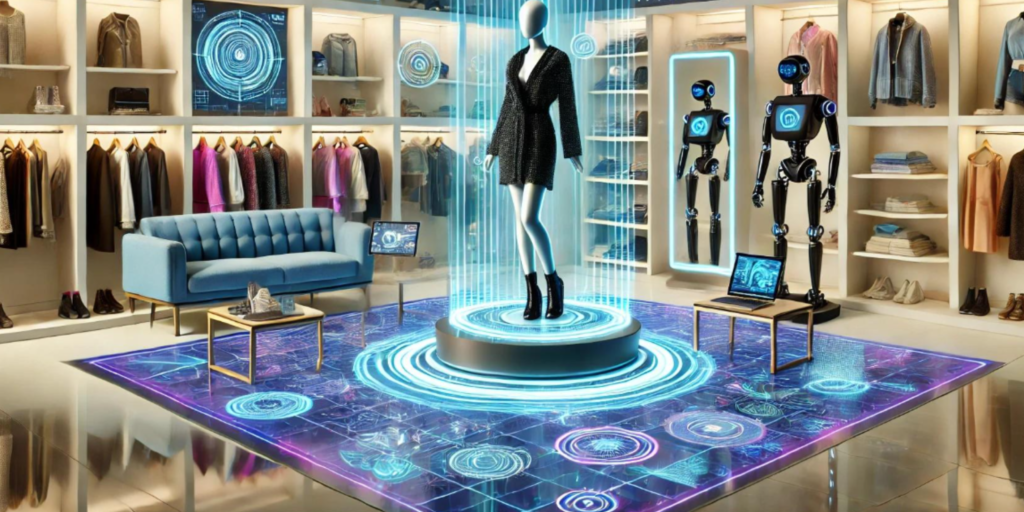
Fashion robots are also changing retail experiences in modern clothing stores. In 2026, many luxury boutiques and smart retail environments use robotic assistants to guide customers, organize inventory, and provide personalized fashion recommendations. Interactive robots can analyze customer preferences and suggest outfit combinations based on shopping history and style interests.
Retail automation creates smoother shopping experiences while helping businesses manage inventory more efficiently. Some robotic systems even assist customers through virtual fitting technologies and digital body scanning tools that improve size accuracy and reduce product returns.
This innovation positively enhances customer convenience and operational efficiency. Nevertheless, excessive automation in fashion retail may reduce human interaction and emotional connection between customers and retail staff.
Sustainable Fashion and Robotic Automation
Sustainability is one of the strongest reasons fashion robots are becoming popular in the clothing industry. Traditional garment production often creates excessive waste, water pollution, and inefficient manufacturing processes. Robotic automation helps fashion companies reduce material waste, optimize fabric cutting, and improve production precision.
AI-powered robots can calculate exact fabric usage, reducing unnecessary textile waste during manufacturing. Automated production systems also improve energy efficiency and support environmentally responsible supply chain management. Many sustainable fashion brands are investing in robotics because automation allows more controlled and ethical manufacturing practices.
The connection between robotics and sustainable fashion positively supports environmental protection and responsible production. However, robotic technologies require significant financial investment, which can create accessibility challenges for smaller fashion businesses.
Robotic Sewing Technology Revolutionizing Production
One of the most advanced developments in fashion automation is robotic sewing technology. Sewing has traditionally been one of the most difficult manufacturing tasks for automation because fabrics are soft, flexible, and difficult for machines to control precisely. However, recent technological advancements have improved robotic sewing accuracy significantly.
Modern sewing robots can now stitch garments with increasing speed and consistency while reducing production errors. Automated sewing systems help brands produce clothing more efficiently without sacrificing quality standards. This technology is especially valuable for fast-fashion companies managing high-volume production demands.
Robotic sewing positively increases manufacturing precision and reduces repetitive physical strain for human workers. However, some fashion experts believe robotic production may eventually weaken traditional craftsmanship and handmade fashion artistry.
Digital Fashion and Robotic Innovation
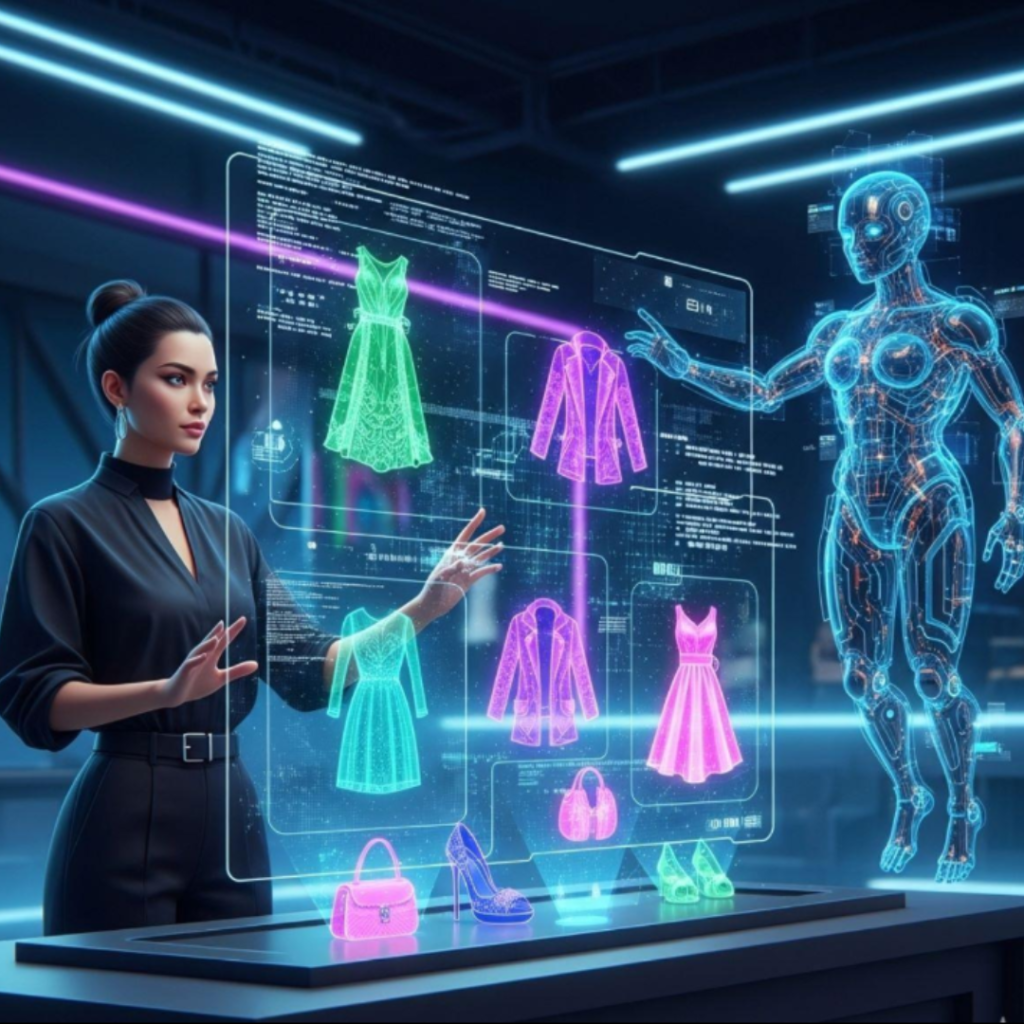
Fashion robots are becoming increasingly connected to digital fashion experiences. AI systems and robotic technologies are helping create virtual clothing collections, digital fitting rooms, and personalized online styling services. Consumers can now interact with virtual fashion environments that combine robotics, artificial intelligence, and immersive digital experiences.
Digital fashion supported by robotic systems improves efficiency within e-commerce platforms and helps brands create highly personalized shopping experiences. Smart warehouses operated by robotic technologies also allow faster order processing and global shipping management.
These advancements positively support convenience and modern consumer expectations. Nevertheless, excessive digital automation may increase emotional detachment from physical fashion experiences and traditional shopping culture.
Fashion Robots and Consumer Psychology
Consumer psychology plays a major role in the growing popularity of robotic fashion systems. Many consumers are attracted to technological innovation because it represents speed, intelligence, and futuristic lifestyle experiences. AI-powered personalization creates emotional satisfaction by making consumers feel understood and individually valued.
Fashion robots can recommend clothing styles, analyze body measurements, and predict shopping preferences more efficiently than traditional retail systems. Consumers appreciate convenience and personalization within modern fashion environments.
This emotional engagement positively strengthens customer satisfaction and brand loyalty. However, concerns related to data privacy, digital surveillance, and excessive consumer tracking continue affecting public trust regarding AI-driven fashion systems.
Luxury Fashion Brands Embracing Robotics
Luxury fashion brands are increasingly investing in robotic technologies to strengthen production efficiency and digital innovation. High-end fashion houses are using robotics for inventory management, precision tailoring assistance, and immersive retail experiences. Some luxury brands are even experimenting with robotic fashion shows and AI-generated collections.
Luxury fashion companies view robotics as a way to combine heritage craftsmanship with modern technological sophistication. Automated systems allow brands to maintain quality consistency while improving operational performance within competitive global markets.
This technological integration positively supports innovation within luxury fashion. However, some traditional fashion enthusiasts fear that robotic production may reduce emotional authenticity and handcrafted exclusivity associated with luxury design.
Human Creativity vs Robotic Precision
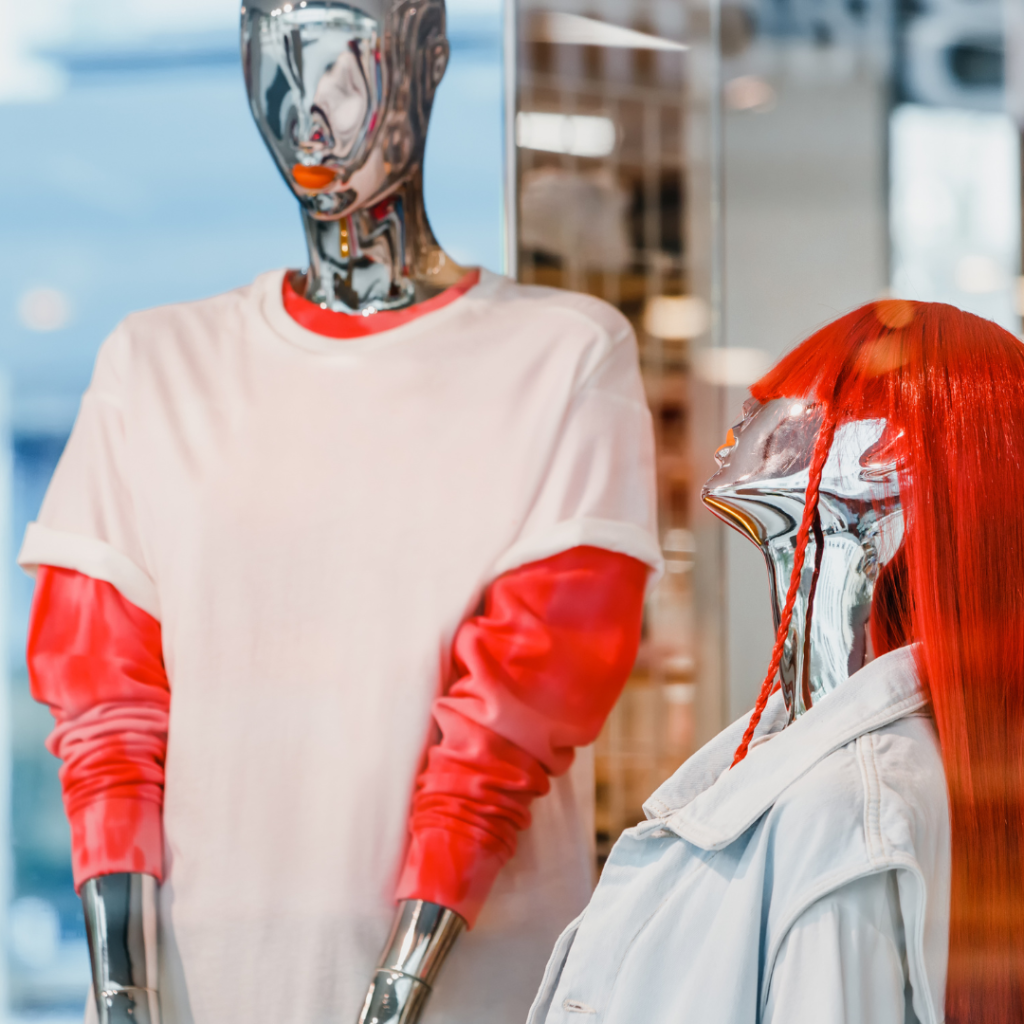
One major debate surrounding fashion robots in the clothing industry is the balance between human creativity and robotic precision. Robots excel at repetitive tasks, data analysis, and operational efficiency, but fashion remains deeply connected to emotional storytelling, artistic individuality, and cultural expression.
Human designers bring emotional depth, intuition, and creative imagination that machines still struggle to replicate fully. Many fashion experts believe the future of fashion will involve collaboration between human creativity and robotic efficiency rather than complete technological replacement.
This partnership positively encourages innovation and balanced progress. Nevertheless, industries must continue protecting artistic individuality and emotional authenticity within increasingly automated fashion environments.
Employment Concerns in the Fashion Industry
The growth of robotics in fashion production has created serious discussions regarding employment and workforce transformation. Automated manufacturing systems reduce the need for repetitive manual labor, especially within large-scale garment factories.
While robotics creates new technology-focused job opportunities in programming, maintenance, and digital management, traditional factory workers may face financial uncertainty and career displacement. Fashion companies are under growing pressure to balance technological advancement with ethical workforce support and retraining programs.
Technological progress positively strengthens productivity and business efficiency. However, rapid automation may also increase economic inequality if industries fail to support affected workers responsibly.
The Role of Robotics in Fast Fashion
Fast fashion brands are heavily investing in robotics because automation helps accelerate production cycles and respond quickly to social media-driven trends. Robotic systems improve inventory control, production speed, and supply chain management, allowing brands to launch new collections faster than ever before.
AI technologies can analyze viral fashion trends online and help companies predict consumer demand almost instantly. This speed-driven production system supports the fast-moving nature of modern fashion culture.
While robotic fast fashion positively increases efficiency and trend responsiveness, it may also contribute to excessive consumption and environmental pressure if production volumes continue expanding without sustainable regulation.
The Future of Fashion Robots in 2026 and Beyond
The future of fashion robots in the clothing industry appears highly advanced, data-driven, and deeply integrated with artificial intelligence. Smart factories, robotic retail environments, AI styling assistants, and personalized digital fashion systems will likely continue transforming global fashion markets in the coming years.
Fashion companies are expected to invest more heavily in automation technologies that improve sustainability, efficiency, and consumer personalization. Robotics will likely become essential for balancing growing global demand with environmental responsibility and operational productivity.
Fashion robots in the clothing industry represent much more than technological innovation alone. They reflect broader cultural changes connected to digital lifestyles, sustainability awareness, and evolving consumer expectations. While concerns related to employment, emotional authenticity, and over-automation remain important discussions, robotic technologies continue shaping the future of fashion by combining intelligence, speed, creativity, and modern business efficiency within an increasingly technology-driven world.
You May Also Read
Fashion Lessons From Different Cultures: Timeless Style Inspiration From Around the World 2026
Fashion Lessons From Different Cultures Fashion has always been more...
Read More
Laundry Habits That Protect Fabrics: The Ultimate Guide to Keeping Clothes Looking New Longer 2026
Laundry Habits That Protect Fabrics Clothing is an essential part...
Read MoreFashion From Coastal Cities: How Seaside Culture Inspires Timeless Style Around the World 2026
Fashion From Coastal Cities Fashion has always reflected the places...
Read More