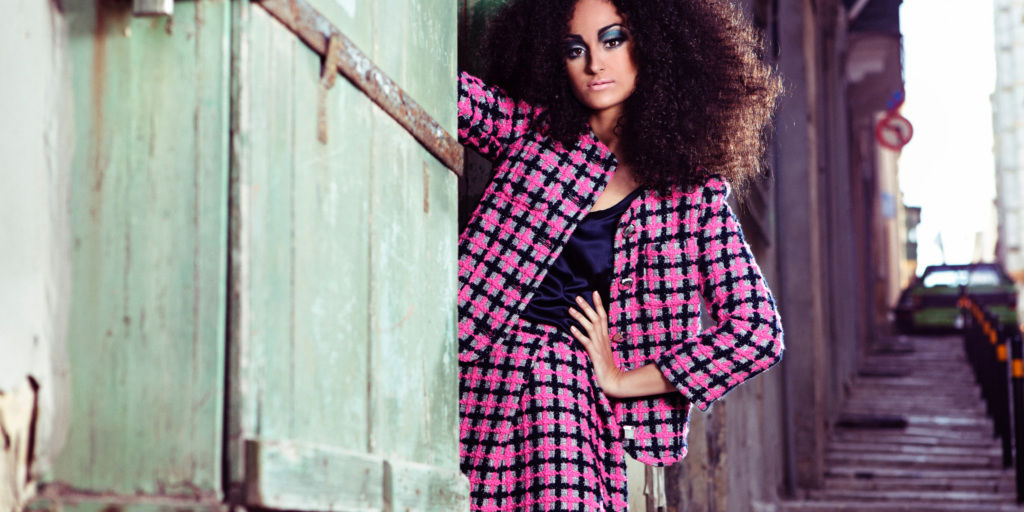
How Global Events Influence Fashion Trends
Fashion has always reflected the world around it. Clothing is more than fabric stitched together; it represents culture, identity, emotions, economic conditions, and social transformation. Throughout history, global events have played a significant role in shaping fashion trends, influencing everything from colors and fabrics to consumer preferences and production methods. Whether it is a major sporting event, economic shift, technological breakthrough, environmental concern, cultural movement, or worldwide crisis, fashion often evolves in response to changing circumstances.
Today, the connection between global events and fashion trends is stronger than ever. In an interconnected world driven by digital communication and social media, style movements can spread across continents within hours. Fashion brands, designers, retailers, and consumers constantly adapt to international developments that influence buying decisions and style preferences. Understanding how global events influence fashion trends provides valuable insight into the future direction of the fashion industry and helps businesses remain competitive in an ever-changing marketplace.
The Relationship Between Global Events and Fashion Trends
Fashion does not exist in isolation. It is closely linked to social, political, economic, and cultural developments occurring worldwide. Whenever significant changes take place across nations, the fashion industry often responds with new collections, innovative materials, and evolving design concepts.
Global fashion trends emerge because consumers react emotionally and practically to world events. During periods of prosperity, people may gravitate toward luxurious designs, bold colors, and premium products. In contrast, during uncertain times, consumers often prefer practical, comfortable, and affordable fashion choices.
This ongoing relationship between world events and fashion creates a dynamic environment where trends constantly evolve. Fashion brands that successfully interpret these changes often gain a competitive advantage while staying relevant to modern consumers.
Cultural Movements and Their Influence on Fashion
Cultural developments are among the most powerful drivers of fashion industry trends. Music, entertainment, art, social activism, and international cultural exchanges frequently inspire new styles that gain widespread popularity.
As cultures become more interconnected through globalization, fashion designers increasingly draw inspiration from diverse traditions, patterns, and artistic expressions. International fashion trends often emerge when cultural elements from one region gain appreciation and recognition in another.
The growing emphasis on diversity and inclusion has encouraged fashion brands to showcase a broader range of identities and styles. This shift has created fresh opportunities for cultural fashion trends to influence mainstream fashion, helping consumers embrace unique and meaningful expressions of personal style.
At the same time, fashion brands must navigate cultural influences carefully. Respectful representation can strengthen brand reputation, while insensitive interpretations may trigger criticism and damage consumer trust.
Economic Changes Shape Consumer Fashion Choices
Economic conditions significantly affect fashion market trends and consumer purchasing behavior. When economies experience growth, consumers often have greater confidence and spending power, leading to increased demand for premium fashion products and luxury collections.
Conversely, financial uncertainty can influence consumers to prioritize practicality and value. During challenging economic periods, fashion shoppers frequently seek versatile clothing, durable materials, and budget-friendly alternatives.
Fashion businesses closely monitor economic indicators because they directly affect production strategies, pricing decisions, and inventory planning. As global economies fluctuate, fashion brands must remain adaptable to changing consumer expectations.
The rise of affordable fashion, resale platforms, and rental fashion services demonstrates how economic realities continue to shape modern fashion industry innovation.
Technology Revolutions Are Transforming Fashion
Technological advancements have dramatically altered the fashion landscape over the past decade. Innovations in manufacturing, digital marketing, artificial intelligence, and e-commerce have transformed how fashion products are designed, produced, and sold.
Global technology events and digital breakthroughs often introduce new possibilities for fashion businesses. Smart textiles, virtual fitting rooms, augmented reality shopping experiences, and AI-driven trend forecasting are becoming increasingly common across the industry.
Social media platforms have also accelerated the spread of global fashion trends. Influencers, celebrities, designers, and consumers can instantly share new styles with audiences around the world, creating rapid trend adoption and widespread visibility.
While technology creates exciting opportunities, it also introduces challenges such as increased competition, fast-changing consumer expectations, and growing pressure for continuous innovation.
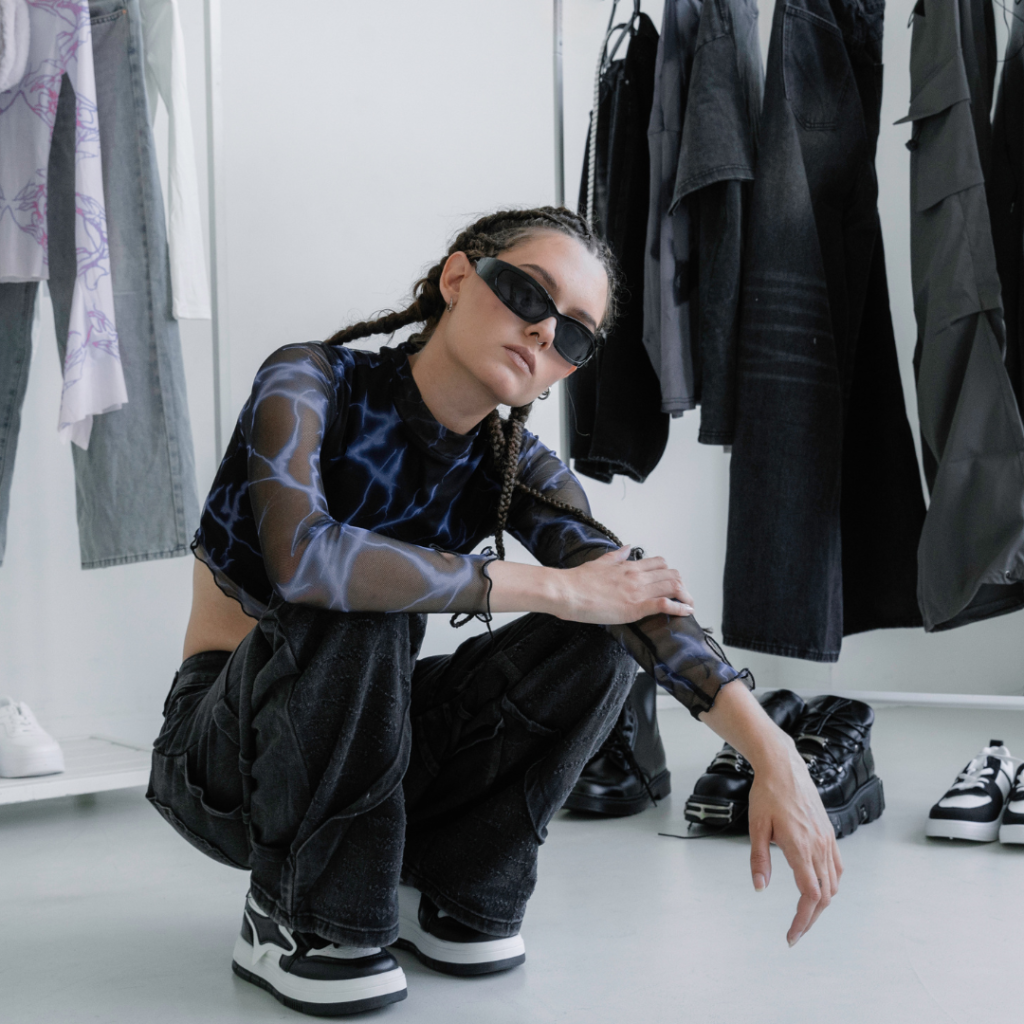
Environmental Awareness Drives Sustainable Fashion Trends
Environmental concerns have become one of the most influential global movements affecting fashion today. Rising awareness of climate challenges, resource consumption, and waste generation has encouraged consumers to rethink their purchasing habits.
As sustainability gains momentum worldwide, fashion brands are responding with environmentally conscious practices. Sustainable fashion trends now include recycled materials, ethical sourcing, eco-friendly production methods, and transparent supply chains.
Consumers increasingly favor brands that demonstrate environmental responsibility and long-term commitment to sustainable practices. This shift represents a major transformation within the fashion industry and continues to influence purchasing decisions across multiple markets.
Fashion companies that ignore sustainability concerns risk losing relevance among environmentally conscious consumers, while those embracing responsible innovation often strengthen customer loyalty and brand credibility.
Global Events and the Rise of Comfortable Fashion
Major global disruptions frequently reshape lifestyle patterns, leading to noticeable shifts in clothing preferences. Changes in work environments, travel habits, and daily routines often influence fashion consumer behavior.
Recent years have highlighted the growing popularity of comfortable fashion. Relaxed silhouettes, versatile garments, and functional designs gained widespread acceptance as consumers prioritized convenience and flexibility.
This evolution demonstrates how fashion trends can emerge directly from lifestyle adjustments triggered by broader global circumstances. Brands that quickly adapt to these changing needs often experience stronger market performance and consumer engagement.
Comfort-focused fashion continues to influence collections across luxury, casual, and sportswear segments, showing that practicality can coexist with style and sophistication.
International Events Create New Fashion Opportunities
Global sporting competitions, entertainment festivals, fashion weeks, and cultural celebrations frequently generate significant fashion interest. These events showcase emerging styles, introduce influential designers, and inspire fresh creative directions.
Fashion trend forecasting often incorporates insights gathered from major international events because they provide valuable indicators of consumer preferences and future market demand.
Designers use these opportunities to experiment with innovative concepts, while fashion enthusiasts look to global events for inspiration and trend discovery. The visibility generated by international events can rapidly transform niche styles into mainstream fashion movements.
As digital media expands global access to these experiences, the influence of international events on fashion trends continues to grow.
The Role of Social Media in Global Fashion Influence
Social media has become one of the most powerful forces driving modern fashion industry trends. Platforms connect consumers with fashion content from around the world, allowing styles to spread faster than ever before.
Trending hashtags, viral videos, influencer collaborations, and celebrity endorsements frequently shape consumer perceptions and purchasing decisions. Fashion brands monitor social media conversations closely to identify emerging opportunities and respond to changing market preferences.
The speed of information sharing creates both advantages and challenges. While brands can quickly reach global audiences, trends can also change rapidly, requiring continuous adaptation and strategic planning.
The digital era has transformed fashion into a highly interactive and globally connected industry where consumers actively participate in trend creation rather than simply following established fashion authorities.

The Future of Global Fashion Trends
As globalization continues to connect societies, the influence of world events on fashion will become even more significant. Future fashion trends are likely to be shaped by technological innovation, sustainability initiatives, cultural collaboration, economic developments, and evolving consumer values.
Fashion businesses that remain informed about global developments will be better positioned to anticipate market shifts and create products that resonate with modern audiences. Adaptability, creativity, and responsiveness will remain essential qualities for success in the competitive fashion landscape.
Consumers are becoming increasingly aware of how their choices impact society, the environment, and the economy. This awareness will continue to drive meaningful changes throughout the fashion industry, encouraging brands to pursue responsible growth and innovative solutions.
Conclusion
The influence of global events on fashion trends is undeniable. From cultural transformations and economic developments to technological breakthroughs and environmental awareness, world events continuously shape how fashion evolves. Global fashion trends reflect changing lifestyles, consumer priorities, and societal values, making fashion one of the most visible indicators of broader global change.
As the fashion industry moves forward, understanding the connection between world events and fashion will remain essential for designers, brands, retailers, and consumers alike. Those who recognize these influences can better anticipate future fashion trends, respond to emerging opportunities, and contribute to a more innovative, responsible, and resilient fashion industry.
You May Also Read
Fashion Lessons From Different Cultures: Timeless Style Inspiration From Around the World 2026
Fashion Lessons From Different Cultures Fashion has always been more...
Read More
Laundry Habits That Protect Fabrics: The Ultimate Guide to Keeping Clothes Looking New Longer 2026
Laundry Habits That Protect Fabrics Clothing is an essential part...
Read MoreFashion From Coastal Cities: How Seaside Culture Inspires Timeless Style Around the World 2026
Fashion From Coastal Cities Fashion has always reflected the places...
Read More