
The Hidden Risks of Chasing Every New Fashion Trend
Fashion has always been a reflection of culture, creativity, and personal identity. Every season introduces fresh colors, silhouettes, fabrics, and styling ideas that inspire consumers to update their wardrobes. New trends often bring excitement and offer opportunities for self-expression. However, in today’s digital world, fashion trends move faster than ever before. Social media platforms, influencer culture, online shopping, and fast fashion brands constantly introduce consumers to the latest styles, creating a continuous cycle of desire and consumption. While following trends can be enjoyable, understanding the hidden risks of chasing every new fashion trend is becoming increasingly important.
The pressure to stay fashionable has intensified over the last decade. Trends that once lasted for months or even years can now appear and disappear within weeks. Consumers are exposed to endless outfit inspiration and product recommendations every day. As a result, many people feel compelled to keep updating their wardrobes to avoid feeling outdated or left behind. Yet beneath the excitement of trend-driven fashion lies a series of challenges that can affect financial well-being, personal style, confidence, sustainability, and long-term satisfaction.
The hidden risks of chasing every new fashion trend are not always obvious. At first, purchasing trendy clothing may seem harmless. However, over time, the habit of constantly pursuing new styles can create consequences that extend far beyond fashion itself. Understanding these risks allows consumers to make smarter choices while still enjoying fashion in a healthy and balanced way.
The Speed of Modern Fashion Trends
One reason the hidden risks of chasing every new fashion trend have become more significant is the extraordinary speed at which trends now spread. Social media platforms allow trends to gain global attention almost instantly.
A single influencer post, viral video, or celebrity appearance can transform an unknown style into a worldwide sensation within days. Brands quickly respond by producing similar products, and consumers rush to participate before the trend fades.
The challenge is that many trends disappear as quickly as they arrive. Clothing purchased to follow a short-lived fashion movement may lose relevance within a matter of weeks. This rapid cycle encourages repeated spending and frequent wardrobe turnover.
The hidden risks of chasing every new fashion trend begin with this accelerated pace, which often prioritizes novelty over long-term value.
Financial Pressure Often Goes Unnoticed
One of the most immediate consequences of constantly following trends is financial strain. Individual purchases may seem affordable, especially when fast fashion brands offer low prices and frequent discounts.
However, small purchases accumulate over time. Consumers who repeatedly buy trend-driven items often spend significantly more than they realize. Many garments are worn only a few times before being replaced by newer styles.
The hidden risks of chasing every new fashion trend include unnecessary spending that could otherwise be directed toward savings, education, experiences, or long-term investments.
Fashion should enhance life, not create financial stress. Thoughtful purchasing habits help consumers maintain balance between style and financial responsibility.
Personal Style Can Become Lost
Fashion trends provide inspiration, but relying exclusively on trends can make it difficult to develop a unique personal style. When every clothing decision is influenced by what is currently popular, individuality often takes a back seat.
Many consumers find themselves purchasing items that do not genuinely reflect their preferences simply because they are trending online. Over time, wardrobes become collections of disconnected pieces rather than cohesive expressions of personality.
The hidden risks of chasing every new fashion trend include losing touch with personal identity. Authentic style develops through self-awareness, experimentation, and confidence rather than constant imitation.
A strong personal style often remains relevant long after specific trends disappear.
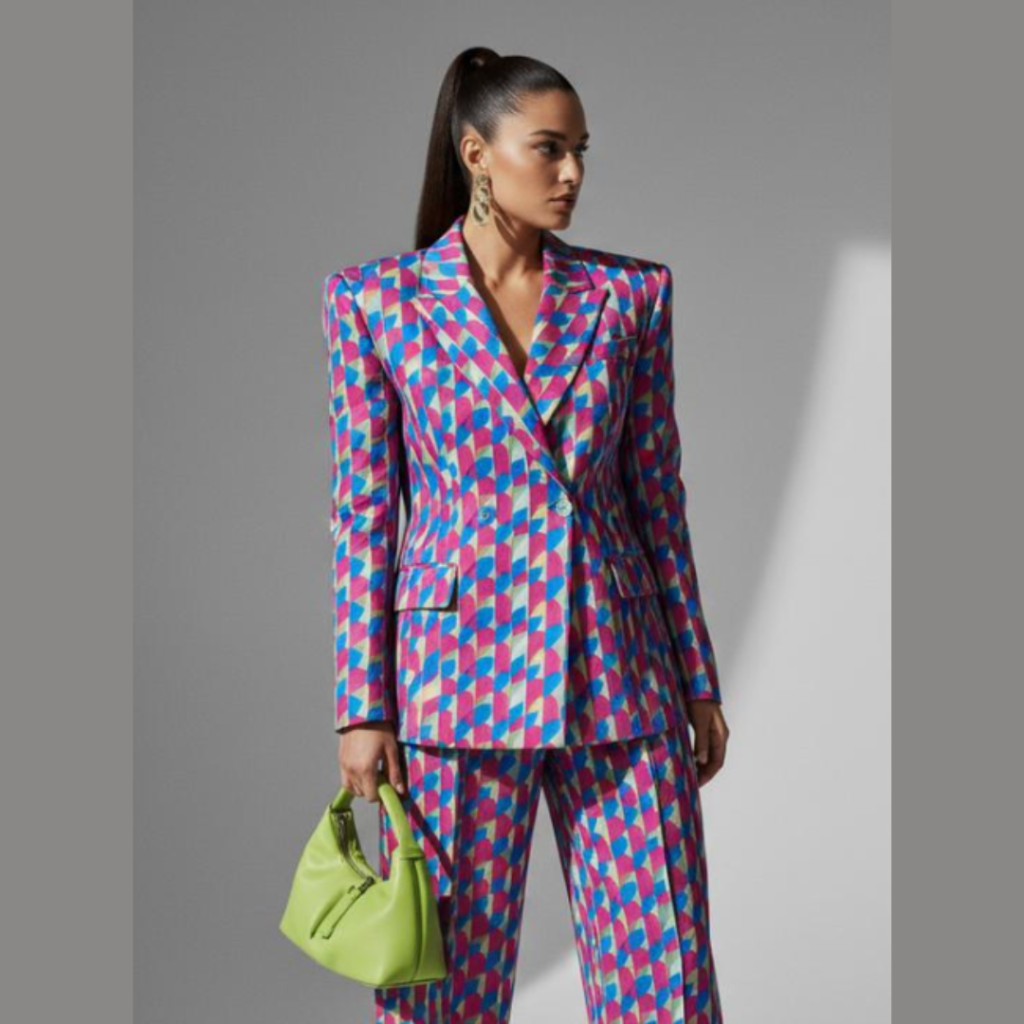
Trend Fatigue Creates Dissatisfaction
Constant exposure to new trends can create a sense of never having enough. As soon as one trend is adopted, another quickly emerges to replace it. This endless cycle can leave consumers feeling perpetually behind.
Instead of enjoying clothing they already own, individuals may focus on what they are missing. This mindset reduces satisfaction and encourages continuous consumption.
The hidden risks of chasing every new fashion trend include trend fatigue, a feeling of exhaustion caused by the pressure to constantly keep up with changing styles.
Fashion should inspire confidence and creativity rather than creating unnecessary anxiety or dissatisfaction.
Social Media Amplifies Fashion Pressure
Social media has transformed the fashion landscape by making trends more visible and accessible than ever before. While platforms provide valuable inspiration, they also contribute to unrealistic expectations.
Consumers are exposed to carefully curated images, influencer collaborations, and endless shopping recommendations. Outfit repetition is sometimes portrayed negatively, creating pressure to constantly showcase something new.
The hidden risks of chasing every new fashion trend are amplified by these digital environments. Individuals may feel compelled to buy clothing not because they need it, but because they fear appearing outdated.
Recognizing the influence of social media helps consumers make more intentional fashion decisions.
Fast Fashion and Environmental Consequences
The environmental impact of trend-driven consumption is another important consideration. Fast fashion brands often respond to trends by producing large quantities of affordable clothing at remarkable speed.
Many of these garments are designed for short-term use rather than long-term durability. As trends fade, unwanted clothing is frequently discarded, contributing to growing volumes of textile waste.
The hidden risks of chasing every new fashion trend extend beyond personal consequences and affect environmental sustainability. Excessive consumption places pressure on natural resources and waste management systems.
Choosing quality over quantity can help reduce environmental impact while creating a more functional wardrobe.
Confidence Should Not Depend on Trends
Fashion can be a powerful tool for self-expression and confidence. However, confidence becomes fragile when it depends entirely on external validation.
Consumers who rely on trends for self-worth may feel uncertain whenever styles change or new trends emerge. Their sense of confidence becomes tied to constantly updating their appearance.
The hidden risks of chasing every new fashion trend include developing a dependency on external approval rather than cultivating genuine self-confidence.
Lasting confidence comes from feeling comfortable in one’s own style rather than constantly seeking validation through trend participation.
Wardrobe Clutter Reduces Efficiency
Another overlooked consequence of trend-focused shopping is wardrobe clutter. Frequent purchases often result in closets filled with items that are rarely worn.
Consumers may struggle to find outfits despite owning large quantities of clothing. Many trendy pieces become outdated quickly, occupying space without providing lasting value.
The hidden risks of chasing every new fashion trend include reduced wardrobe efficiency and increased decision fatigue. A cluttered wardrobe often makes daily dressing more complicated rather than easier.
Thoughtful wardrobe planning creates greater flexibility and satisfaction than constant accumulation.
Marketing Strategies Encourage Continuous Consumption
Fashion brands invest heavily in marketing designed to create urgency and excitement around new trends. Limited releases, influencer campaigns, seasonal collections, and promotional events encourage consumers to act quickly.
These strategies are highly effective because they tap into emotions such as curiosity, excitement, and fear of missing out. Consumers may purchase items impulsively without fully considering whether they align with their needs or preferences.
The hidden risks of chasing every new fashion trend are closely connected to these marketing influences. Awareness of these tactics helps consumers make more rational purchasing decisions.
Fashion choices should reflect genuine interest rather than manufactured urgency.
Timeless Fashion Offers Greater Value
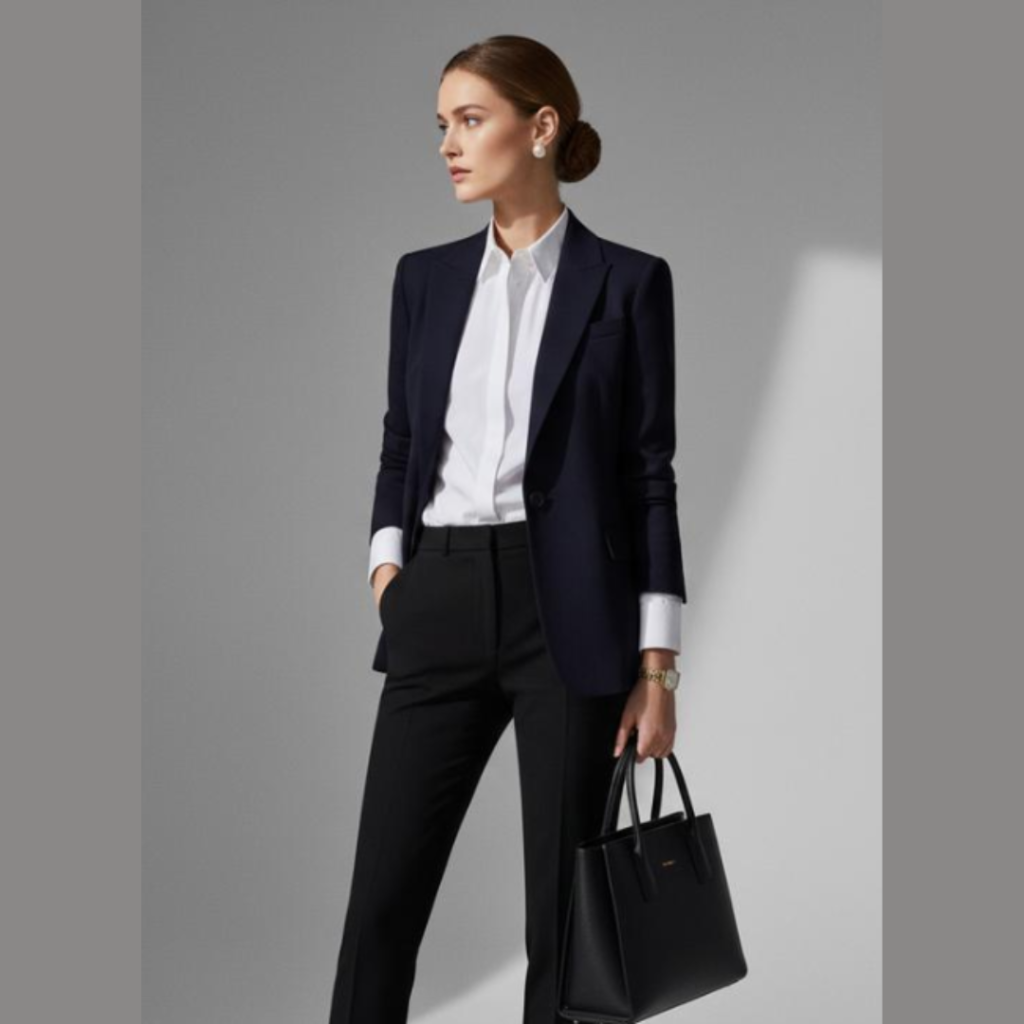
While trends come and go, timeless fashion remains relevant across changing seasons and cultural shifts. Classic designs, versatile colors, and high-quality garments often provide greater long-term value.
Consumers who build wardrobes around timeless pieces frequently experience greater satisfaction because their clothing remains useful for years rather than weeks.
The hidden risks of chasing every new fashion trend become more apparent when compared with the benefits of timeless style. Versatile garments offer flexibility while reducing the need for constant replacement.
Balancing trend-inspired pieces with classic essentials creates a wardrobe that supports both creativity and practicality.
Developing a Healthier Relationship with Fashion
Fashion should be enjoyable rather than stressful. Developing a healthy relationship with clothing involves understanding personal preferences, purchasing intentionally, and resisting unnecessary pressure.
Consumers can still appreciate trends without feeling obligated to follow every one. Selective participation allows individuals to enjoy fashion while maintaining financial stability, personal style, and sustainability goals.
The hidden risks of chasing every new fashion trend decrease significantly when consumers adopt a more mindful approach to shopping and self-expression.
Intentional fashion choices often lead to greater confidence and satisfaction.
The Future of Fashion Is Moving Toward Conscious Consumption
Consumer attitudes are changing. Increasing numbers of people are embracing sustainable fashion, capsule wardrobes, clothing resale, and quality-focused purchasing habits.
This shift reflects growing awareness of the consequences associated with excessive consumption. Consumers are beginning to value longevity, versatility, and authenticity over constant novelty.
The hidden risks of chasing every new fashion trend have encouraged many individuals to rethink their relationship with fashion. The future of the industry may depend on balancing creativity with responsibility.
Fashion can remain innovative without encouraging endless consumption.
Conclusion
The hidden risks of chasing every new fashion trend extend far beyond clothing purchases. They influence financial well-being, personal style, confidence, environmental sustainability, and overall satisfaction. While fashion trends can be exciting and inspiring, constantly pursuing every new style often creates challenges that outweigh the temporary excitement.
Developing a thoughtful approach to fashion allows consumers to enjoy creativity without becoming trapped in endless cycles of consumption. By focusing on quality, authenticity, and intentional decision-making, individuals can build wardrobes that support their goals and reflect their true identity.
Ultimately, the hidden risks of chasing every new fashion trend remind us that style is most powerful when it is personal. Trends may come and go, but confidence, individuality, and smart fashion choices provide lasting value that never goes out of fashion.