The Rise of Low-Effort, High-Impact Fashion
Fashion is experiencing a remarkable transformation. For decades, style was often associated with complexity, constant trend updates, elaborate outfit planning, and extensive wardrobe collections. Looking fashionable frequently required significant time, effort, and spending. Today, however, consumer priorities are changing. More people are embracing a different approach—one that focuses on simplicity, confidence, practicality, and versatility. This shift explains the growing popularity of Low-Effort High-Impact Fashion.
The rise of Low-Effort High-Impact Fashion reflects broader changes in modern lifestyles. People are managing busy schedules, balancing professional responsibilities, navigating digital distractions, and seeking greater efficiency in daily routines. As a result, consumers are increasingly drawn to clothing choices that deliver strong visual appeal without requiring excessive effort.
This movement is not about sacrificing style. In fact, many fashion-conscious individuals are discovering that simple, thoughtful wardrobe choices often create stronger impressions than complicated outfits. Consumers want clothing that makes them feel confident, comfortable, and prepared while reducing decision fatigue and unnecessary stress.
The growing demand for Low-Effort High-Impact Fashion signals a new era where style is defined not by complexity but by intentionality. Modern consumers are learning that effective fashion often comes from smart choices rather than endless choices.
Understanding the Concept of Low-Effort High-Impact Fashion
To understand why Low-Effort High-Impact Fashion is becoming so influential, it is important to define what the concept actually means. Low-effort fashion does not imply carelessness or lack of attention. Instead, it focuses on creating stylish and polished appearances with minimal complexity.
High-impact fashion refers to clothing that creates a strong visual impression while remaining practical and wearable. These outfits often rely on timeless silhouettes, versatile pieces, quality fabrics, and thoughtful coordination rather than excessive layering or trend-driven experimentation.
The goal is efficiency. Consumers want wardrobes that work for them rather than wardrobes that require constant management. This philosophy reduces the time spent deciding what to wear while increasing overall confidence and satisfaction.
As modern life becomes increasingly fast-paced, the appeal of Low-Effort High-Impact Fashion continues growing across different age groups and lifestyle categories.
Why Consumers Are Prioritizing Simplicity
One of the strongest reasons behind the rise of Low-Effort High-Impact Fashion is the growing preference for simplicity. Modern consumers face information overload, packed schedules, and countless daily decisions.
Every choice consumes mental energy. Selecting clothing may seem like a small decision, but over time, repeated wardrobe choices contribute to decision fatigue. Many individuals are seeking ways to simplify their routines without compromising personal style.
Fashion simplicity offers an effective solution. By building wardrobes around versatile and dependable pieces, consumers reduce uncertainty and make dressing easier.
This simplicity creates a sense of control and clarity that extends beyond fashion itself. The growing desire for simplicity reflects broader lifestyle trends focused on intentional living and reduced complexity.
The Influence of Capsule Wardrobes
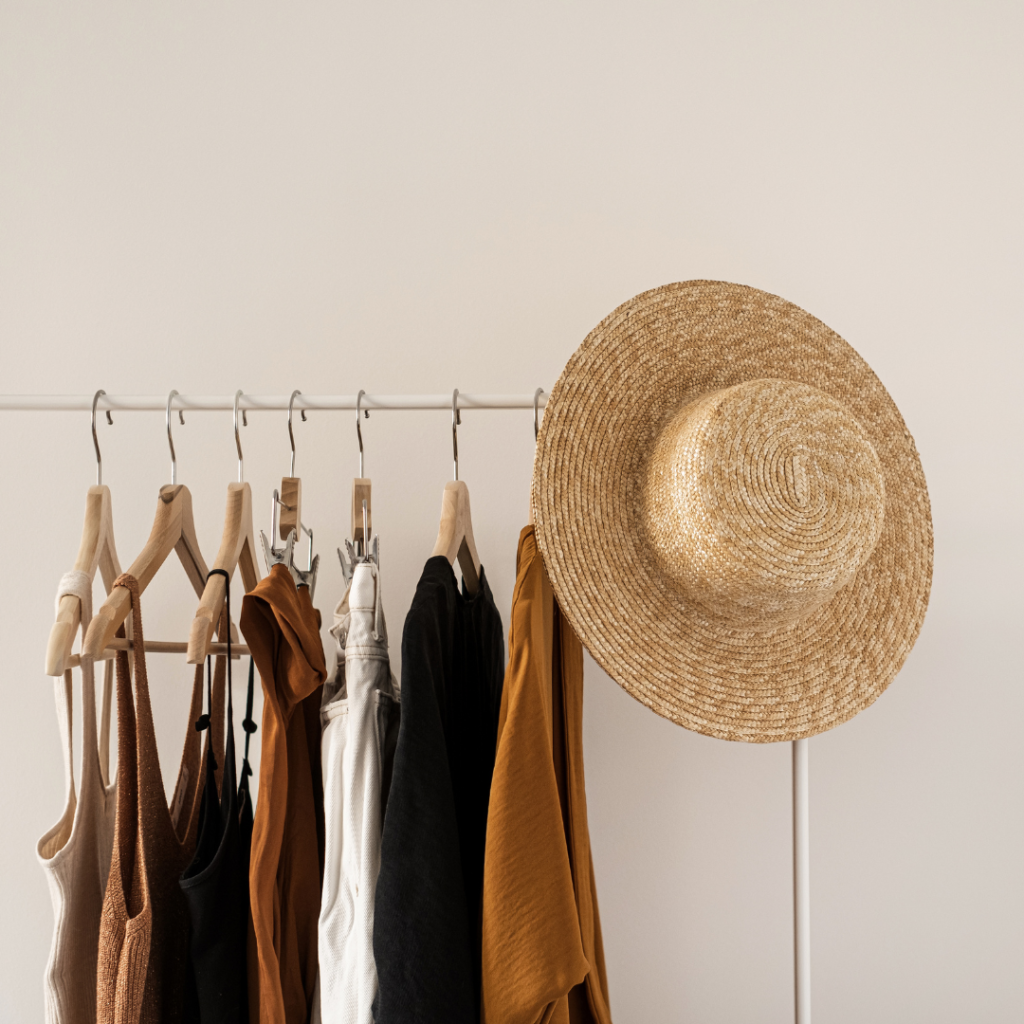
Capsule wardrobes have become closely connected to Low-Effort High-Impact Fashion. A capsule wardrobe consists of carefully selected clothing pieces that coordinate easily and serve multiple purposes.
Consumers appreciate capsule wardrobes because they eliminate unnecessary clutter and increase outfit versatility. Rather than owning dozens of rarely worn garments, individuals focus on pieces that consistently deliver value.
This approach supports effortless styling. Clothing combinations become easier to create, and wardrobes feel more functional. Consumers spend less time planning outfits while achieving stronger results.
The popularity of capsule wardrobes demonstrates how strategic simplicity can enhance both practicality and personal style.
How Fashion Confidence Drives the Trend
Confidence plays a major role in the growth of Low-Effort High-Impact Fashion. Many consumers are realizing that confidence often has a greater impact than the clothing itself.
People who feel comfortable in their outfits tend to project stronger presence and self-assurance. Clothing that fits well, aligns with personal preferences, and supports daily activities often generates more confidence than trend-driven garments chosen for external approval.
This realization is encouraging individuals to prioritize authenticity over constant trend participation. Instead of chasing every fashion movement, consumers are focusing on styles that genuinely reflect their identities.
Fashion confidence is becoming one of the most powerful drivers behind modern wardrobe decisions.
The Shift Away From Trend Dependency
Another factor contributing to Low-Effort High-Impact Fashion is the growing fatigue associated with rapid trend cycles. Social media has accelerated fashion trends, creating environments where styles appear and disappear at remarkable speed.
Many consumers have become exhausted by the pressure to keep up with constantly changing aesthetics. Trend-driven wardrobes often require frequent purchases and continuous updates.
In contrast, low-effort high-impact fashion emphasizes longevity. Consumers invest in pieces that remain relevant regardless of short-term fashion shifts.
This approach creates greater stability and satisfaction because wardrobes are built around personal style rather than temporary popularity.
The movement away from trend dependency reflects a growing desire for lasting value and meaningful style choices.
Why Versatility Is More Valuable Than Ever
Versatility has become one of the defining characteristics of Low-Effort High-Impact Fashion. Modern consumers want clothing that works across multiple situations and settings.
A versatile garment can transition from professional environments to casual outings, social events, and everyday activities. This flexibility increases the usefulness of each wardrobe item and reduces the need for excessive purchases.
Versatility also supports sustainable consumption habits. Consumers can achieve more outfit combinations with fewer garments, reducing waste and maximizing value.
As lifestyles become increasingly dynamic, versatile fashion choices are becoming essential components of successful wardrobes.
The Role of Comfort in Modern Style
Comfort has emerged as a major influence on Low-Effort High-Impact Fashion. The modern consumer no longer views comfort and style as competing priorities.
The rise of remote work, flexible schedules, and lifestyle-focused fashion has increased demand for clothing that feels good while looking polished. Consumers want garments that support movement, productivity, and daily activities without sacrificing appearance.
Comfort contributes directly to confidence. When individuals feel physically comfortable, they often feel more relaxed and self-assured.
This connection explains why comfortable fashion continues gaining popularity across various market segments.
Sustainability and Smart Fashion Choices
Sustainability is another important factor driving Low-Effort High-Impact Fashion. Consumers are becoming more conscious of the environmental impact associated with excessive clothing consumption.
Low-effort fashion often aligns naturally with sustainable principles because it emphasizes quality, durability, and long-term use. Instead of purchasing numerous trend-focused items, consumers invest in fewer but better pieces.
This approach reduces waste while encouraging more responsible shopping habits. Fashion ownership becomes focused on value rather than volume.
The connection between sustainability and simplicity is helping reshape consumer expectations across the fashion industry.
Social Media and the Evolution of Style
Social media has played a complex role in the rise of Low-Effort High-Impact Fashion. While digital platforms initially accelerated trend cycles, they are also promoting conversations about authenticity, wardrobe efficiency, and personal style.
Content creators increasingly share outfit repetition, capsule wardrobe concepts, and sustainable fashion strategies. These discussions encourage audiences to focus on meaningful style choices rather than constant consumption.
Consumers are becoming more aware that style is not defined by the number of garments they own. Instead, it is influenced by how effectively they use what they already have.
This evolving perspective is contributing to a healthier relationship with fashion.
Why Personal Style Is Becoming the Ultimate Fashion Statement
One of the most important reasons Low-Effort High-Impact Fashion continues growing is the increasing value placed on personal style. Consumers are moving beyond trend imitation and developing stronger fashion identities.
Personal style creates consistency and confidence. Individuals who understand their preferences often make better purchasing decisions because they know what works for their lifestyles and body types.
Rather than seeking external validation, they focus on clothing that supports their goals and self-expression. This approach creates wardrobes that feel authentic and functional.
The rise of personal style reflects a broader movement toward individuality and intentional living.
The Future of Low-Effort High-Impact Fashion
The future of Low-Effort High-Impact Fashion appears exceptionally strong. As consumers continue prioritizing simplicity, versatility, sustainability, and confidence, demand for effortless style solutions will likely increase.
Fashion brands are already responding by offering timeless collections, adaptable garments, and wardrobe-focused product strategies. Technology will further support consumers through personalized recommendations and smarter shopping experiences.
The emphasis on meaningful value rather than excessive consumption will continue shaping the future of fashion.
Consumers increasingly understand that effective style does not require endless effort. It requires thoughtful choices.
Conclusion
The rise of Low-Effort High-Impact Fashion represents one of the most important shifts in modern style culture. Consumers are moving away from complexity, trend dependency, and excessive wardrobe accumulation. In their place, they are embracing simplicity, versatility, confidence, and intentional fashion choices.
This transformation reflects broader lifestyle priorities focused on efficiency, authenticity, and long-term value. By investing in quality garments, developing personal style, and simplifying wardrobe decisions, individuals can create stronger fashion outcomes with less effort.
As the fashion industry continues evolving, low-effort high-impact fashion will likely become more influential than ever. In a world filled with distractions and endless choices, simplicity is emerging as one of the most powerful style strategies available. The future of fashion belongs to those who understand that confidence, clarity, and purpose often create the strongest impact of all.