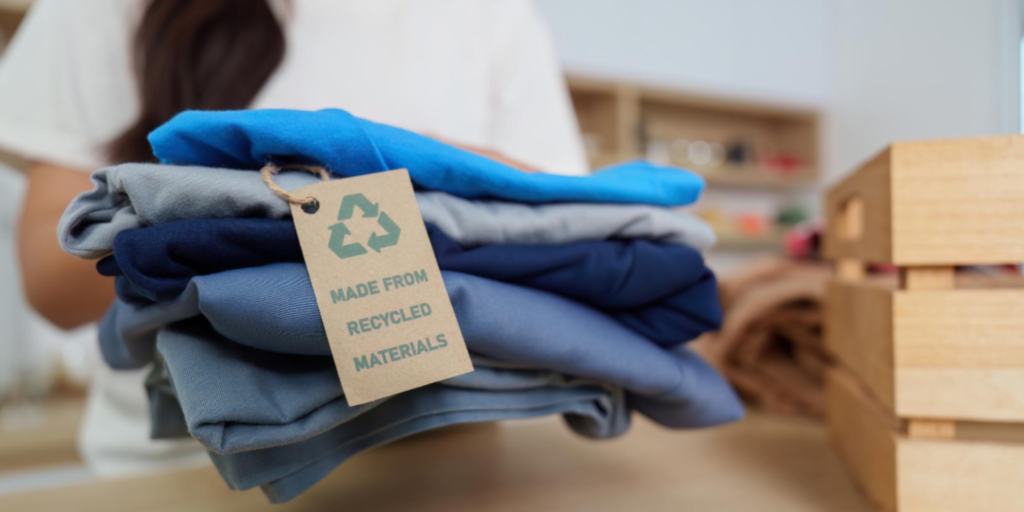
Recycled Fashion Products Changing the Future of Style in 2026
Fashion in 2026 is no longer focused only on trends and aesthetics. Sustainability, environmental awareness, and responsible shopping habits are now becoming equally important parts of the fashion industry. One of the biggest movements transforming modern style is the rise of recycled fashion products. From recycled denim and eco-friendly sneakers to upcycled handbags and sustainable streetwear, fashion brands and consumers are increasingly embracing environmentally conscious choices without sacrificing style.
Recycled fashion products are helping reshape how people think about clothing, accessories, and personal style. Instead of relying heavily on fast fashion and wasteful production, many designers now use recycled fabrics, repurposed materials, and ethical manufacturing methods to create stylish and wearable fashion pieces.
Social media, celebrity influence, sustainable fashion campaigns, and eco-conscious shopping trends continue increasing awareness about the importance of reducing fashion waste. Consumers are now more interested in quality, durability, and timeless design rather than constantly replacing clothing every season.
Modern sustainable fashion proves that style and environmental responsibility can exist together beautifully.
What Are Recycled Fashion Products?
Recycled fashion products are clothing items or accessories created using repurposed materials that would otherwise become waste. These materials can come from:
- Old garments
- Plastic bottles
- Fabric scraps
- Recycled denim
- Ocean waste
- Textile leftovers
Fashion brands transform these materials into new products while reducing environmental damage and unnecessary waste production.
Recycled fashion products include:
- Jackets
- Sneakers
- Bags
- Denim jeans
- Jewelry
- Activewear
- Accessories
Modern recycled fashion now looks just as stylish and premium as traditional fashion collections.
Why Sustainable Fashion Is Growing Rapidly
Consumers today are becoming more aware of how the fashion industry affects the environment. Fast fashion production often creates pollution, textile waste, and excessive resource consumption.
People are choosing recycled fashion because it:
- Reduces environmental impact
- Supports responsible production
- Encourages mindful shopping
- Promotes quality over quantity
- Creates long-lasting wardrobes
Modern shoppers increasingly value brands that combine style with ethical responsibility.
Fashion is evolving from purely trend-focused shopping into more thoughtful and sustainable lifestyle choices.
Recycled Denim Trends Dominating Fashion
Denim remains one of the most recycled materials in modern fashion because it is durable and timeless. Many brands now use recycled denim fabrics to create stylish streetwear and casual fashion pieces.
Trending recycled denim products include:
- Oversized jackets
- Relaxed jeans
- Patchwork denim
- Denim bags
- Monochrome streetwear sets
Recycled denim fashion combines:
- Vintage aesthetics
- Sustainable production
- Modern streetwear influence
- Timeless styling
This trend especially appeals to younger consumers who value both fashion and environmental responsibility.
Upcycled Fashion and Creative Design
Upcycling is becoming one of the most creative movements in sustainable fashion. Instead of breaking materials down completely, designers transform existing garments into new fashion pieces.
Popular upcycled fashion ideas include:
- Reworked denim jackets
- Patchwork dresses
- Vintage shirt redesigns
- Handmade tote bags
- Repurposed accessories
Upcycled fashion often creates:
- Unique one-of-a-kind designs
- Artistic streetwear aesthetics
- Vintage-inspired fashion
This movement celebrates creativity while reducing unnecessary waste.
Many independent designers now focus entirely on upcycled fashion collections.
Sustainable Streetwear Trends in 2026
Streetwear culture is increasingly embracing sustainability through recycled fabrics and ethical production.
Trending sustainable streetwear pieces include:
- Organic cotton hoodies
- Recycled sneakers
- Eco-friendly cargo pants
- Upcycled oversized jackets
Modern sustainable streetwear focuses on:
- Neutral color palettes
- Minimal branding
- Durable fabrics
- Relaxed silhouettes
This trend reflects the growing demand for fashion that feels stylish while supporting environmentally conscious lifestyles.
Comfort-focused fashion naturally aligns with sustainable wardrobe habits because versatile pieces remain wearable longer.
Eco-Friendly Sneakers Becoming More Popular
Sneakers are one of the biggest categories within recycled fashion because footwear brands are increasingly using sustainable materials.
Trending recycled sneaker materials include:
- Recycled rubber soles
- Ocean plastic fabrics
- Vegan leather
- Recycled foam cushioning
Sustainable sneakers now combine:
- Modern aesthetics
- Everyday comfort
- Eco-conscious design
- Streetwear influence
Many fashion lovers now prioritize versatile and durable footwear rather than frequently replacing trendy shoes.
For sustainable fashion insights and eco-conscious style inspiration, many readers explore Vogue Sustainability Fashion for industry updates and ethical fashion trends.
Minimal Fashion and Sustainable Wardrobes
Minimalist fashion continues supporting sustainable style movements because smaller and more versatile wardrobes reduce overconsumption.
Essential sustainable wardrobe pieces include:
- Neutral basics
- Timeless denim
- Relaxed tailoring
- White sneakers
- Oversized jackets
Minimal fashion encourages:
- Repeat outfit styling
- Better clothing quality
- Long-term wardrobe planning
- Fewer unnecessary purchases
Modern sustainable fashion often focuses on timeless silhouettes rather than temporary trend cycles.
This shift is helping consumers shop more intentionally.
Luxury Fashion Embracing Sustainability
Luxury brands are increasingly investing in recycled fashion products and sustainable production methods.
Trending luxury sustainability initiatives include:
- Recycled leather accessories
- Eco-friendly packaging
- Ethical sourcing
- Slow fashion collections
Luxury sustainable fashion focuses on:
- High-quality craftsmanship
- Durable materials
- Timeless styling
- Responsible production
This movement reflects changing consumer expectations across all fashion categories.
Modern luxury fashion increasingly values environmental awareness alongside exclusivity and craftsmanship.
Recycled Accessories and Modern Fashion
Accessories are becoming a major part of sustainable fashion because they allow consumers to experiment with eco-friendly style choices easily.
Trending recycled accessories include:
- Upcycled handbags
- Recycled sunglasses
- Eco-friendly jewelry
- Sustainable belts
- Fabric tote bags
These accessories pair beautifully with:
- Minimal outfits
- Streetwear fashion
- Casual everyday looks
- Monochrome styling
Sustainable accessories often become timeless wardrobe staples because of their versatility and durability.
Neutral Colors and Sustainable Style Trends
Neutral color palettes continue dominating sustainable fashion because timeless shades remain wearable across multiple seasons.
Trending sustainable fashion colors include:
- Beige
- White
- Olive green
- Black
- Grey
- Brown
Neutral styling helps:
- Simplify wardrobes
- Improve outfit versatility
- Reduce unnecessary shopping
- Support minimalist fashion
Sustainable fashion increasingly focuses on practicality and repeatable styling combinations.
Celebrity Influence on Sustainable Fashion
Celebrities and influencers continue increasing awareness about recycled fashion through:
- Sustainable outfit styling
- Ethical fashion campaigns
- Vintage clothing inspiration
- Eco-friendly collaborations
Popular celebrity-inspired sustainable trends include:
- Vintage streetwear
- Minimal monochrome fashion
- Recycled denim styling
- Capsule wardrobes
Social media has made sustainable fashion more visible and accessible than ever before.
Fashion creators now regularly promote repeat outfit styling and mindful shopping habits online.
For ethical fashion inspiration and sustainable wardrobe ideas, many fashion enthusiasts visit Good On You Ethical Fashion for sustainable brand ratings and eco-friendly shopping guides.
Vintage Fashion and Recycled Style
Vintage fashion naturally supports sustainability because second-hand clothing reduces waste while extending garment life.
Trending vintage-inspired sustainable fashion includes:
- Retro denim
- Oversized jackets
- Graphic t-shirts
- Minimal tailoring
Vintage styling creates:
- Unique fashion aesthetics
- Individuality
- Sustainable wardrobe habits
Many fashion lovers now combine vintage clothing with modern basics for balanced and timeless outfits.
Sustainable Fabrics Changing Fashion
Fabric innovation continues shaping the future of recycled fashion products.
Popular sustainable fabrics include:
- Organic cotton
- Hemp
- Recycled polyester
- Bamboo fabrics
- Recycled wool
These materials help reduce:
- Water waste
- Pollution
- Excessive textile production
Fashion brands increasingly prioritize eco-friendly materials while maintaining comfort and modern aesthetics.
Social Media and Sustainable Fashion Culture
Social media continues accelerating sustainable fashion awareness through:
- Capsule wardrobe videos
- Thrift styling inspiration
- Outfit repeating trends
- Eco-conscious fashion creators
Popular online sustainable aesthetics include:
- Quiet luxury fashion
- Minimalist wardrobes
- Scandinavian style
- Vintage streetwear
Digital fashion culture is helping consumers rethink how they shop and style clothing.
Fashion trends now increasingly prioritize longevity and versatility.
Benefits of Choosing Recycled Fashion Products
Choosing recycled fashion products helps:
- Reduce textile waste
- Support ethical brands
- Encourage responsible production
- Build timeless wardrobes
- Minimize environmental impact
Sustainable fashion also encourages better shopping habits by focusing on quality rather than quantity.
Small changes in shopping behavior can create long-term positive environmental effects.
Tips for Building a Sustainable Wardrobe
Buy Versatile Basics
Neutral clothing creates more outfit combinations.
Choose Quality Over Quantity
Durable pieces remain wearable longer.
Support Ethical Brands
Research sustainable fashion companies before purchasing.
Try Vintage and Thrift Shopping
Second-hand fashion reduces unnecessary production.
Avoid Fast Fashion Impulse Buying
Mindful shopping helps reduce waste and unnecessary spending.
Sustainable fashion is about balance and conscious decision-making rather than perfection.
Final Thoughts
Recycled fashion products are transforming the future of style in 2026 by proving that fashion can be both stylish and environmentally responsible. From recycled denim and eco-friendly sneakers to upcycled accessories and sustainable streetwear, modern fashion continues evolving toward smarter and more conscious design choices.
Today’s sustainable fashion trends are no longer limited to niche markets or basic eco-friendly clothing. Instead, recycled fashion now blends luxury aesthetics, streetwear influence, minimalist styling, and creative individuality into wearable collections that appeal to modern consumers worldwide.
As awareness about environmental responsibility continues growing, recycled fashion products are becoming essential parts of modern wardrobes. They represent not only a fashion trend but also a cultural shift toward thoughtful shopping, timeless style, and a more sustainable future for the fashion industry.
More Blogs you may read
Fashion Lessons From Different Cultures: Timeless Style Inspiration From Around the World 2026
Fashion Lessons From Different Cultures Fashion has always been more...
Read More
Laundry Habits That Protect Fabrics: The Ultimate Guide to Keeping Clothes Looking New Longer 2026
Laundry Habits That Protect Fabrics Clothing is an essential part...
Read MoreFashion From Coastal Cities: How Seaside Culture Inspires Timeless Style Around the World 2026
Fashion From Coastal Cities Fashion has always reflected the places...
Read More