Choosing Safe and Stylish Baby Clothing Materials
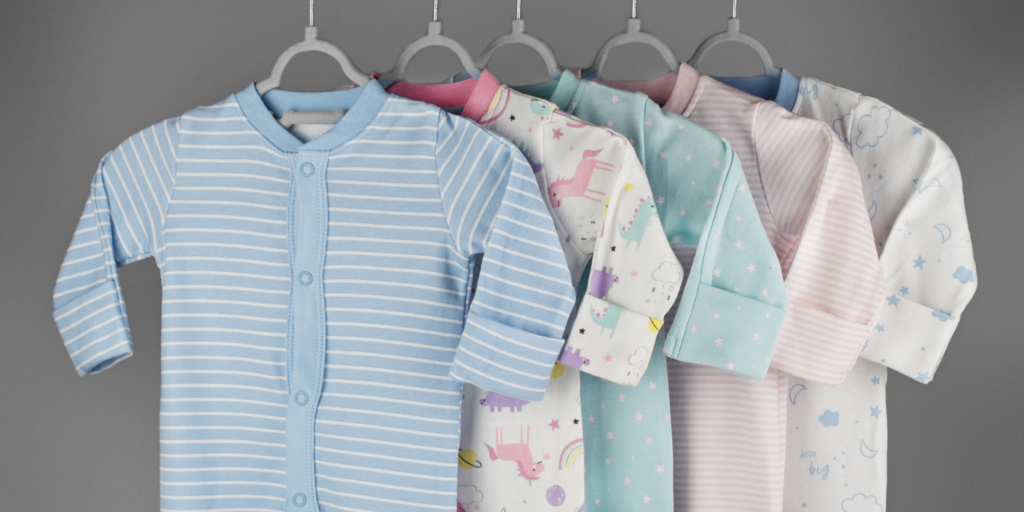
When preparing for a new baby, parents often spend countless hours selecting cribs, strollers, feeding accessories, and nursery décor. However, one of the most important decisions frequently involves something much simpler: choosing the right clothing materials. Since a baby’s skin is delicate and highly sensitive during the early stages of life, the fabrics used in baby clothing play a significant role in everyday comfort and overall well-being. At the same time, modern parents are no longer willing to compromise style for practicality. They want baby outfits that look attractive while offering softness, breathability, and reliability.
The growing demand for safe baby clothing materials reflects a broader shift in consumer awareness. Families are becoming more knowledgeable about textile production, fabric quality, and environmental responsibility. As a result, today’s baby fashion market offers a wide range of options that combine comfort, durability, and contemporary design. Understanding how different materials affect your child’s comfort can help parents make smarter purchasing decisions and build a wardrobe that supports both style and functionality.
Why Baby Clothing Materials Matter More Than Ever
A baby’s skin differs significantly from adult skin. It is thinner, more delicate, and often more vulnerable to environmental influences. Because infants spend most of their day wearing clothing, fabric selection becomes an important factor in their daily comfort. Poor-quality materials can sometimes feel rough, trap heat, or create an uncomfortable experience that affects mood and sleep patterns.
Safe baby clothing materials are designed to provide a gentler touch while supporting healthy airflow. Parents are increasingly paying attention to fabric composition because they recognize that clothing remains in constant contact with their baby’s skin. This growing awareness has transformed baby fashion from a purely aesthetic category into one that balances appearance with thoughtful functionality.
The shift toward premium baby clothing materials is also influenced by the desire to avoid unnecessary exposure to harsh manufacturing processes. As families become more selective, the demand for natural baby clothing and sustainable baby fashion continues to expand across global markets.
Organic Cotton: A Trusted Choice for Modern Parents
Among all baby clothing materials, organic cotton remains one of the most popular choices. Its widespread appeal comes from its soft texture, breathability, and versatility. Organic cotton baby clothes are often favored by parents who want fabrics that feel gentle against sensitive skin while maintaining excellent durability.
The comfort provided by organic cotton makes it suitable for everyday wear, including bodysuits, sleepers, blankets, and casual outfits. Its breathable structure helps promote airflow, reducing the likelihood of excessive warmth during changing weather conditions.
Another reason organic cotton has become a leading material in baby fashion is its association with environmentally conscious production methods. Many parents appreciate products that support sustainability while meeting practical needs. As a result, organic cotton baby clothes continue to dominate collections offered by premium baby clothing brands.
Bamboo Fabric and the Rise of Sustainable Baby Fashion
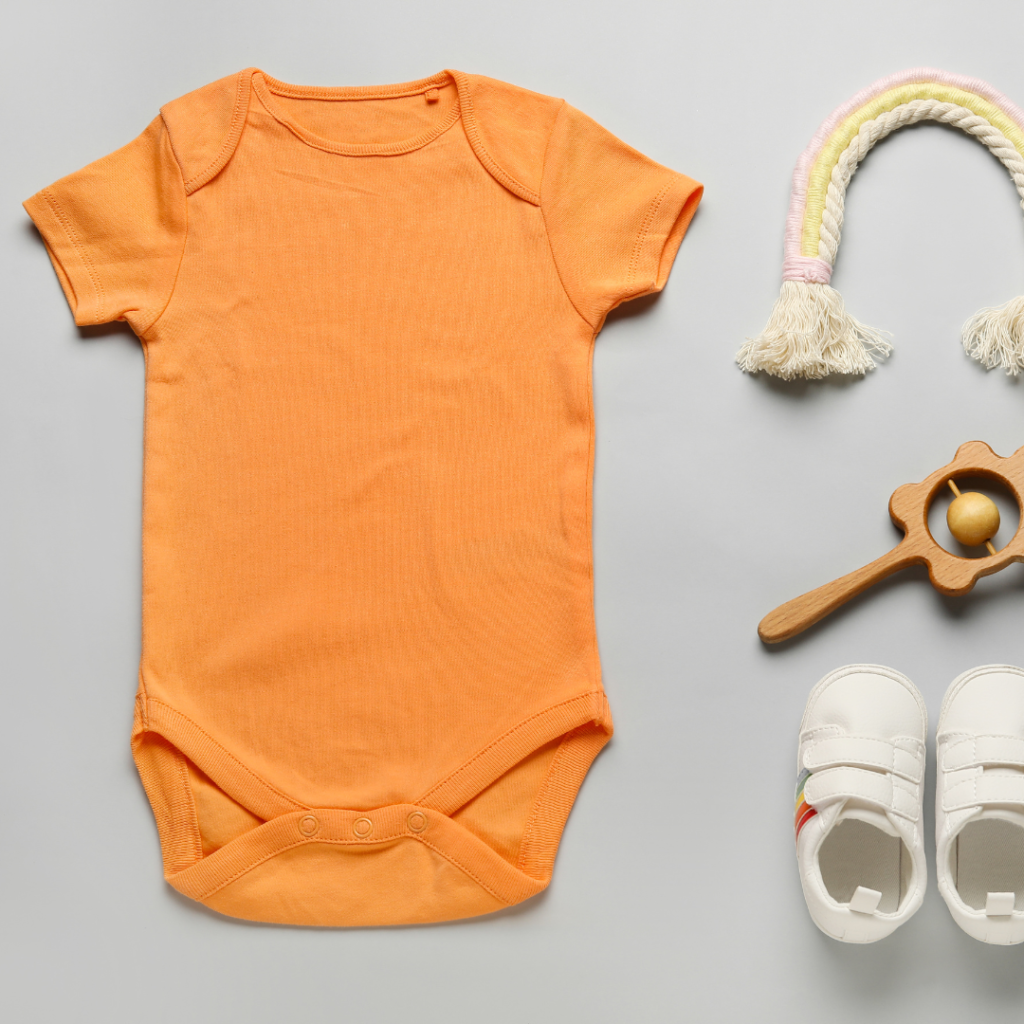
In recent years, bamboo baby clothing has become increasingly popular among environmentally aware families. Bamboo fabric offers a unique combination of softness and lightweight comfort that makes it especially appealing for baby apparel.
Many parents choose bamboo baby clothing because it feels exceptionally smooth against delicate skin. Its breathable characteristics help create a comfortable wearing experience throughout the day, particularly during warmer seasons. Bamboo fabric also supports moisture management, helping babies remain comfortable during active play or sleep.
The rise of bamboo baby clothing reflects a larger movement toward sustainable baby fashion. Parents today are searching for products that align with values such as environmental responsibility and conscious consumption. Bamboo-based fabrics have become a prominent example of how innovation can contribute to both comfort and sustainability.
Breathability: A Key Factor in Comfortable Baby Clothing
Regardless of the material chosen, breathability remains one of the most important qualities in baby apparel. Babies are less efficient at regulating body temperature than adults, making airflow an essential feature of comfortable baby clothing.
Breathable baby clothes help support a balanced environment around the skin by allowing heat and moisture to escape more effectively. Fabrics that encourage ventilation contribute to greater comfort during naps, outdoor activities, and everyday movement.
Parents often discover that breathable materials not only improve comfort but also enhance the overall wearing experience. This is why breathable baby clothing continues to be a major focus within modern baby fashion collections.
Finding the Perfect Balance Between Safety and Style
Years ago, parents often had to choose between practical baby clothing and fashionable designs. Today, that compromise is largely unnecessary. The baby fashion industry has evolved dramatically, offering stylish baby clothing that also prioritizes safety and comfort.
Contemporary designers understand that parents value both appearance and functionality. As a result, baby apparel collections now feature fashionable prints, elegant color palettes, and seasonal trends while maintaining high-quality fabric standards.
Stylish baby clothing no longer means sacrificing comfort. Parents can easily find outfits that look appealing in photographs, family gatherings, and special occasions while ensuring their baby enjoys a comfortable wearing experience.
This balance between visual appeal and practical performance has become one of the defining characteristics of modern baby fashion.
Durability Matters in Every Baby Wardrobe
Babies grow quickly, but their clothing still experiences substantial wear. Frequent washing, feeding mishaps, outdoor adventures, and active movement place significant demands on baby garments. This is why durability remains an essential consideration when evaluating baby clothing materials.
High-quality fabrics maintain their softness, shape, and appearance even after repeated laundering. Durable baby clothing reduces the need for constant replacements, helping families save money while minimizing waste.
Parents often appreciate clothing that can be passed down to younger siblings or shared with relatives. Investing in quality baby clothing materials creates long-term value and supports more responsible consumption habits.
The combination of comfort, durability, and style makes premium baby clothing a worthwhile investment for many families.

The Growing Influence of Eco-Friendly Baby Clothes
Environmental awareness continues to influence purchasing decisions across nearly every consumer category, including baby apparel. Eco-friendly baby clothes have become increasingly popular as parents seek products that align with sustainable lifestyles.
Many modern families recognize the importance of reducing environmental strain while supporting responsible manufacturing practices. This growing awareness has encouraged brands to develop collections featuring natural fibers, ethical production standards, and environmentally conscious materials.
Eco-friendly baby clothes appeal to parents who want their purchasing choices to reflect their commitment to future generations. As sustainability becomes a central priority, demand for responsible baby fashion is expected to continue growing.
How to Build a Safe and Stylish Baby Wardrobe
Creating a baby wardrobe begins with understanding the importance of fabric quality. Parents should prioritize softness, breathability, durability, and comfort when evaluating clothing options. Choosing natural baby clothing materials often provides a strong foundation for everyday wear.
A practical wardrobe typically includes versatile pieces that can adapt to different seasons and activities. Mixing comfortable basics with stylish statement outfits allows parents to create a functional collection that remains fashionable throughout the year.
The best baby wardrobes focus on quality rather than quantity. A smaller collection of thoughtfully selected garments often provides greater value than a larger assortment of lower-quality alternatives. This approach supports both sustainability and long-term satisfaction.
The Future of Baby Clothing Materials
The future of baby fashion is being shaped by innovation, sustainability, and consumer awareness. As parents become more informed about textile manufacturing, they are demanding greater transparency and higher standards from clothing brands.
Emerging fabric technologies are expected to deliver even more advanced solutions that combine comfort, durability, and environmental responsibility. Organic cotton, bamboo fabric, and other natural materials will likely remain central to this evolution.
Manufacturers are increasingly investing in sustainable baby fashion because they recognize changing consumer priorities. The emphasis on safe baby clothing materials is no longer a temporary trend. Instead, it represents a lasting transformation in how families approach baby apparel.
Conclusion
Choosing safe and stylish baby clothing materials is about much more than fashion. It involves creating a comfortable environment that supports your baby’s daily well-being while reflecting your family’s values and preferences. From organic cotton baby clothes to bamboo baby clothing and other natural fabrics, today’s parents have access to a wide range of options that successfully combine comfort, durability, and visual appeal.
As awareness continues to grow, more families are embracing quality baby clothing that prioritizes softness, breathability, and sustainability. The future of baby fashion belongs to materials that deliver both practical benefits and responsible production standards. By selecting safe baby clothing materials, parents can build a wardrobe that not only looks beautiful but also supports comfort, confidence, and conscious living from the very beginning.
You May Also Read
Fashion Lessons From Different Cultures: Timeless Style Inspiration From Around the World 2026
Fashion Lessons From Different Cultures Fashion has always been more...
Read More
Laundry Habits That Protect Fabrics: The Ultimate Guide to Keeping Clothes Looking New Longer 2026
Laundry Habits That Protect Fabrics Clothing is an essential part...
Read MoreFashion From Coastal Cities: How Seaside Culture Inspires Timeless Style Around the World 2026
Fashion From Coastal Cities Fashion has always reflected the places...
Read More