How Innovation Is Creating Safer Baby Clothing
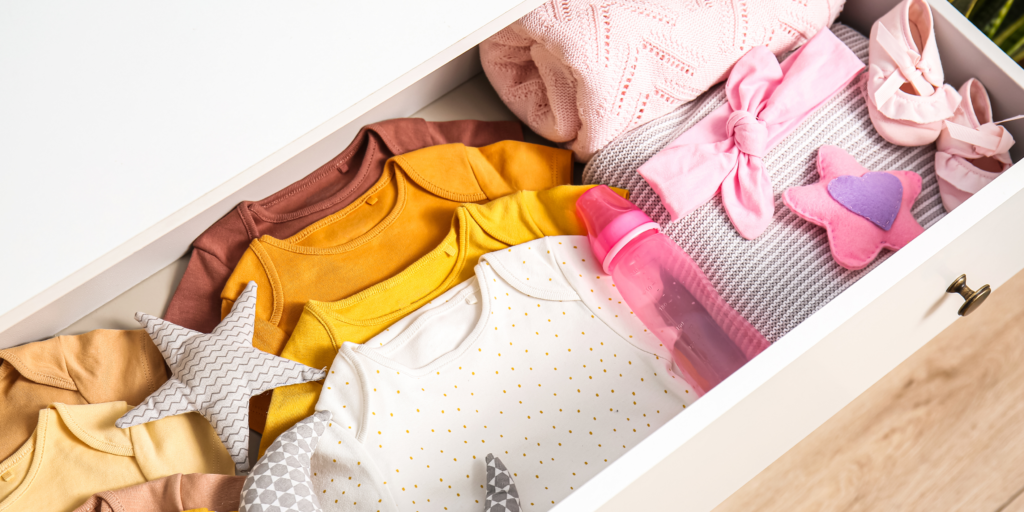
The baby clothing industry has experienced a remarkable transformation over the past decade. What was once focused primarily on appearance and affordability has evolved into a sophisticated sector driven by technology, safety standards, fabric innovation, and consumer awareness. Today’s parents are more informed than ever, and their expectations extend far beyond cute designs and colorful patterns. They seek safe baby clothing that offers comfort, protection, durability, and peace of mind. As a result, innovation has become one of the most powerful forces shaping the future of baby fashion.
Modern manufacturers understand that babies have delicate skin, unique developmental needs, and heightened sensitivity to environmental factors. This understanding has encouraged brands to invest heavily in research, advanced materials, and safer production techniques. The result is a new generation of baby clothing designed not only to look appealing but also to support infant well-being. From organic fabrics and chemical-free dyes to smart textiles and sustainable manufacturing, innovation is redefining what safe baby clothing truly means.
The Growing Demand for Safe Baby Clothing
Parents today approach baby clothing shopping with greater attention and caution than previous generations. Information is easily accessible, and concerns regarding harmful materials, skin irritation, and product safety have become increasingly common. This shift in consumer awareness has encouraged the baby clothing industry to improve quality standards and introduce innovative solutions.
Safe baby clothing is no longer viewed as a luxury. It has become a necessity. Parents actively search for baby clothes that reduce potential risks while enhancing comfort. They want reassurance that the garments touching their baby’s skin are free from unwanted substances and manufactured under strict quality controls.
As this demand continues to expand, brands that prioritize baby clothing safety gain stronger trust among consumers. Companies that fail to adapt may face skepticism from increasingly informed parents who carefully evaluate every purchase decision.
Advanced Fabrics Are Revolutionizing Baby Fashion
One of the most significant developments in baby clothing innovation involves fabric technology. Traditional textiles have gradually been replaced or enhanced by advanced materials designed specifically for infant comfort and protection.
Organic baby clothes have become especially popular because they are often produced without harsh chemicals and unnecessary treatments. These fabrics offer a softer texture and a gentler experience for sensitive skin. Parents appreciate the reassurance that comes from choosing materials perceived as cleaner and more responsible.
Beyond organic options, manufacturers are introducing moisture-regulating fabrics that help babies remain comfortable throughout changing weather conditions. These innovative textiles assist in maintaining a balanced body temperature, reducing discomfort that can arise from overheating or excessive moisture.
Such advancements demonstrate how baby fashion innovation is moving beyond appearance and focusing on practical benefits that improve daily life for both infants and caregivers.
Chemical-Free Manufacturing Is Raising Safety Standards
In previous years, concerns regarding fabric treatments, dyes, and manufacturing chemicals received limited attention from consumers. Today, however, parents are increasingly aware of how these elements may affect infant comfort and health.
This growing awareness has encouraged manufacturers to develop safer production methods. Many baby clothing brands now use low-impact dyes, plant-based coloring techniques, and carefully tested materials designed to minimize irritation.
Innovation within manufacturing processes has significantly improved baby apparel safety. Quality control systems have become more sophisticated, allowing companies to identify and eliminate potential issues before products reach the market.
These improvements create greater confidence among parents who want assurance that every garment meets modern safety expectations. The transition toward cleaner production methods also supports sustainability goals, creating benefits that extend beyond the individual consumer.
Smart Baby Clothing Is Entering the Market
Technology is beginning to influence baby clothing in fascinating ways. Although still emerging, smart baby clothing represents one of the most exciting innovations in the industry.
Some experimental designs incorporate sensors capable of monitoring temperature, movement, or environmental conditions. These features aim to provide parents with additional insights while enhancing infant comfort and safety.
While traditional baby clothing remains dominant, smart baby clothing demonstrates how technology can contribute to proactive care. Future developments may help caregivers identify potential concerns before they become more significant challenges.
The integration of technology into baby fashion reflects a broader trend toward intelligent products designed to support modern parenting. As innovation continues to advance, smart textiles may become increasingly accessible and practical for everyday use.
Improved Design Is Reducing Everyday Risks
Innovation is not limited to materials and technology. Clothing design itself plays an essential role in baby clothing safety. Manufacturers now pay closer attention to every detail, from fasteners and seams to sizing and garment structure.
Small design improvements can have a significant impact. Softer seams help prevent friction against delicate skin. Secure closures reduce the likelihood of discomfort. Flexible fabrics encourage natural movement and support healthy physical development.
Many brands have also eliminated unnecessary decorative elements that may create potential concerns. By simplifying garment construction and prioritizing functionality, manufacturers can create safer baby clothes without sacrificing style.
This thoughtful approach demonstrates how innovation often involves refining existing products rather than completely reinventing them. Small improvements collectively contribute to a safer and more comfortable experience for infants.
Sustainable Baby Fashion Supports Long-Term Safety
The rise of sustainable baby fashion represents another important aspect of innovation within the industry. Environmental responsibility and product safety are increasingly interconnected.
Parents are becoming more conscious of where baby clothes originate and how they are produced. Sustainable manufacturing practices often involve stricter quality standards, responsible sourcing, and reduced chemical usage. These factors contribute to both environmental preservation and enhanced product safety.
Eco-friendly baby clothes are frequently manufactured using renewable resources and ethical production methods. As a result, they appeal to parents seeking products that align with their values while providing dependable performance.
Sustainable baby fashion also encourages durability and longevity. Rather than prioritizing rapid consumption, many modern brands focus on creating quality baby clothes designed to withstand repeated use. This approach reduces waste while delivering greater value to consumers.
Innovation Is Improving Comfort for Everyday Wear
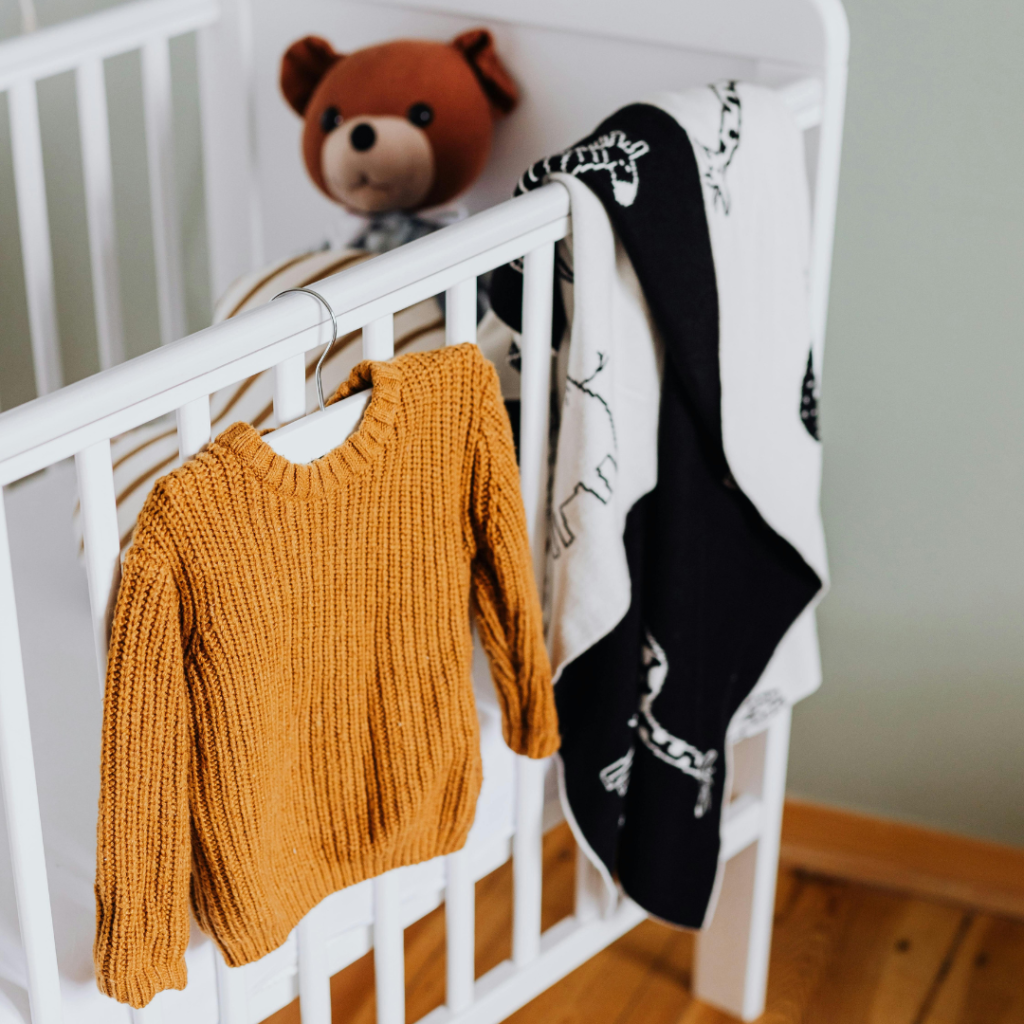
Comfort remains one of the most important factors influencing baby clothing purchases. Even the safest garment must also provide a pleasant wearing experience. Innovation has allowed manufacturers to address this challenge more effectively than ever before.
Modern baby clothing incorporates lightweight fabrics, enhanced stretchability, and ergonomic designs that support natural movement. These features help babies explore their surroundings comfortably without unnecessary restrictions.
Advances in textile engineering have also improved softness and breathability. Parents often notice that premium baby clothes maintain their quality even after multiple washes, creating a more consistent experience over time.
By combining comfort-focused innovation with safety considerations, manufacturers are creating baby apparel that supports both physical well-being and everyday convenience.
Data and Research Are Driving Better Decisions
The baby clothing industry increasingly relies on scientific research and consumer feedback to guide innovation. Manufacturers analyze performance data, study infant development, and evaluate real-world usage patterns to improve their products.
This evidence-based approach allows companies to identify areas requiring improvement and develop solutions tailored to actual consumer needs. Rather than relying solely on trends, brands can make informed decisions supported by research and testing.
As a result, modern baby clothing continues to evolve in ways that directly benefit families. Better information leads to better products, creating a cycle of continuous improvement that strengthens trust and enhances safety.
The growing role of research demonstrates how innovation extends beyond physical products. Knowledge itself has become a valuable tool for advancing baby clothing quality and reliability.
Consumer Awareness Is Shaping the Future
Innovation does not occur in isolation. Parents play a critical role in influencing the direction of the baby clothing industry. As consumers become more knowledgeable, their expectations encourage brands to maintain higher standards and pursue meaningful improvements.
Reviews, recommendations, and social discussions allow parents to share experiences and highlight both strengths and weaknesses within the market. This transparency motivates manufacturers to remain accountable and responsive.
Companies that embrace innovation and prioritize baby clothing safety often develop stronger relationships with consumers. Trust becomes a competitive advantage, helping brands establish long-term credibility in an increasingly crowded marketplace.
The future of baby clothing will likely continue to be shaped by this collaborative relationship between informed consumers and innovative manufacturers.
The Future of Safe Baby Clothing
Looking ahead, innovation will remain a driving force behind the evolution of safe baby clothing. Advances in fabric science, sustainable production, smart technology, and product testing will continue to improve both safety and comfort.
Future baby clothing may feature even more sophisticated materials capable of adapting to environmental conditions, enhancing durability, and supporting infant well-being. Manufacturers will likely explore new methods for reducing environmental impact while maintaining exceptional quality standards.
As technology and consumer awareness continue to progress, the gap between fashion and functionality will become increasingly narrow. Safe baby clothing will not only meet basic expectations but exceed them through thoughtful design and continuous innovation.
Conclusion
Innovation is transforming every aspect of the baby clothing industry. From advanced fabrics and chemical-free manufacturing to smart textiles and sustainable production methods, modern developments are creating safer, more comfortable, and more reliable baby clothing solutions. Parents today benefit from a wider range of options designed specifically to support infant well-being while addressing evolving consumer expectations.
The growing focus on baby clothing safety demonstrates a broader commitment to quality, responsibility, and continuous improvement. As innovation continues to shape the future of baby fashion, families can expect safer baby clothing that combines comfort, protection, sustainability, and style. Ultimately, these advancements help ensure that every child receives the care, comfort, and security they deserve from the very first days of life.