
The Pressure to Dress Perfectly in Modern Society
Fashion has always been more than fabric, colors, and trends. It is a form of communication that allows people to express identity, personality, culture, and lifestyle without saying a single word. In today’s connected world, however, fashion has evolved into something far more complex. Alongside creativity and self-expression has emerged a growing pressure to dress perfectly, creating expectations that affect people across different ages, professions, and social backgrounds.
Modern society places significant emphasis on appearance. Whether attending a workplace meeting, posting a photo online, participating in social events, or simply walking through a shopping center, people are constantly exposed to messages about how they should look. Fashion trends change rapidly, and the desire to keep up can create both excitement and unease.
While fashion offers opportunities for confidence and individuality, it can also generate emotional strain, financial challenges, and unrealistic expectations. Many individuals feel as though they must maintain a polished appearance at all times, even when doing so requires considerable effort and expense.
The pressure to dress perfectly has become a defining feature of contemporary fashion culture. Understanding where this pressure comes from and how it influences daily life is essential for developing a healthier relationship with personal style and self-image.
How Fashion Became a Reflection of Social Status
Throughout history, clothing has often been associated with social position and personal identity. Certain fabrics, designs, and styles were once reserved for specific groups, making fashion a visible marker of status.
Although modern society offers greater accessibility to fashion, the connection between appearance and perception remains strong. People frequently make assumptions based on clothing choices, whether consciously or unconsciously. First impressions are often influenced by style, grooming, and overall presentation.
This reality contributes to fashion pressure because individuals may feel that their appearance directly affects how others evaluate them. Professional opportunities, social interactions, and personal confidence can become linked to fashion expectations.
As a result, many people invest significant time and energy into maintaining a particular image, hoping their clothing choices will communicate competence, success, or sophistication.
The Influence of Social Media on Fashion Expectations
One of the most powerful forces shaping modern fashion is social media. Platforms dedicated to visual content have transformed how people discover trends, evaluate style, and compare themselves with others.
Every day, users encounter carefully curated images featuring fashionable outfits, luxury brands, and seemingly effortless style. Influencers, celebrities, and content creators showcase wardrobes that often appear flawless, creating aspirational standards for audiences worldwide.
While social media fashion can inspire creativity, it can also contribute to unrealistic expectations. Many individuals begin comparing their everyday appearance to highly edited or professionally produced content. This comparison can create feelings of inadequacy, even when personal style is already strong and authentic.
The constant exposure to idealized fashion images has intensified the pressure to dress perfectly, making it difficult for some people to separate inspiration from unrealistic standards.
Why Fashion Trends Create Constant Pressure
Fashion trends are designed to evolve. New colors, silhouettes, materials, and styles emerge regularly, encouraging consumers to refresh their wardrobes.
For fashion enthusiasts, this evolution can be exciting. It introduces fresh ideas and creative possibilities. However, the rapid pace of change can also create a sense of urgency. People may feel that their clothing becomes outdated quickly, even when it remains functional and stylish.
The fashion industry thrives on novelty, which often encourages continuous purchasing behavior. Consumers may worry about appearing behind the times or disconnected from current trends.
This cycle contributes to fashion pressure because individuals feel compelled to update their appearance frequently, regardless of whether such changes align with their personal preferences or financial priorities.
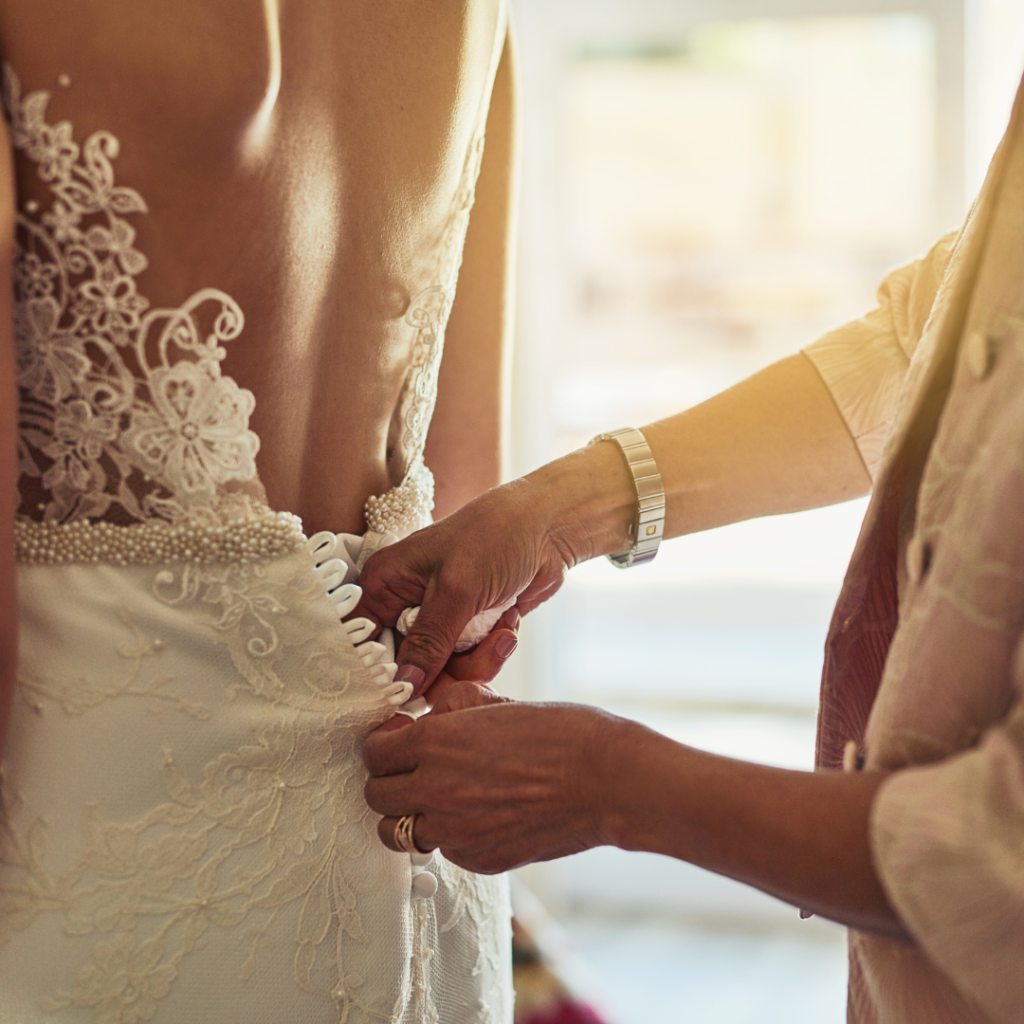
The Connection Between Fashion and Self-Image
Self-image plays a major role in how people experience fashion. Clothing can influence confidence, mood, and personal perception. Wearing an outfit that feels comfortable and authentic often creates a sense of empowerment and self-assurance.
However, when self-worth becomes heavily dependent on appearance, fashion expectations can become overwhelming. Individuals may begin evaluating themselves primarily through external standards rather than personal values or accomplishments.
This shift can create emotional challenges. Instead of viewing fashion as a form of expression, people may see it as a test they must constantly pass. Minor imperfections or perceived style mistakes can feel more significant than they truly are.
A healthy relationship with fashion supports self-confidence. An unhealthy relationship often ties confidence exclusively to appearance, creating unnecessary stress and dissatisfaction.
The Financial Cost of Looking Perfect
The pressure to maintain a fashionable appearance frequently extends beyond emotional concerns. It can also affect financial well-being.
Many consumers spend substantial amounts on clothing, accessories, beauty products, and trend-driven purchases in an effort to meet fashion standards. Social media influence and aggressive marketing campaigns often encourage spending beyond practical needs.
While there is nothing inherently wrong with investing in personal style, problems arise when fashion spending becomes motivated primarily by external pressure. Purchasing items to gain approval or keep up with trends can create financial strain over time.
The fashion industry benefits from frequent consumption, but individuals benefit most when their purchasing decisions align with personal needs and long-term goals.
Workplace Fashion Expectations and Professional Identity
Fashion pressure is not limited to social settings. Professional environments often carry their own style expectations.
Employees may feel obligated to dress according to workplace norms in order to project competence and professionalism. In some industries, appearance plays a significant role in how individuals are perceived by colleagues, clients, and employers.
While professional dress standards can promote consistency, they can also create additional pressure. Workers may invest heavily in clothing to meet perceived expectations, even when doing so stretches their budgets.
Balancing professional presentation with personal comfort remains an ongoing challenge for many individuals navigating modern workplace culture.
Why Comparison Has Become a Fashion Challenge
Comparison is one of the strongest drivers of fashion-related stress. Modern technology allows people to observe the lifestyles, wardrobes, and fashion choices of others almost continuously.
This constant exposure can make it difficult to appreciate personal style. Instead of focusing on what feels authentic, individuals may become preoccupied with matching the appearance of others.
Comparison often creates unrealistic benchmarks because people rarely see the full reality behind curated images. They see highlights rather than everyday experiences.
As a result, fashion confidence may decline even when there is no objective reason for dissatisfaction. Learning to reduce comparison can significantly improve both self-image and overall well-being.
The Positive Side of Fashion Expression
Despite the challenges associated with fashion pressure, fashion itself remains a valuable form of self-expression. Clothing allows people to communicate creativity, personality, and cultural identity in unique ways.
Fashion can boost confidence, encourage individuality, and provide opportunities for artistic exploration. Many individuals enjoy experimenting with colors, textures, and styles that reflect their personal tastes.
The key difference lies in motivation. Fashion becomes empowering when it serves personal expression rather than external validation. Choosing clothing based on comfort, authenticity, and individual preference often creates more lasting satisfaction than chasing approval from others.
This distinction helps transform fashion from a source of pressure into a source of enjoyment.
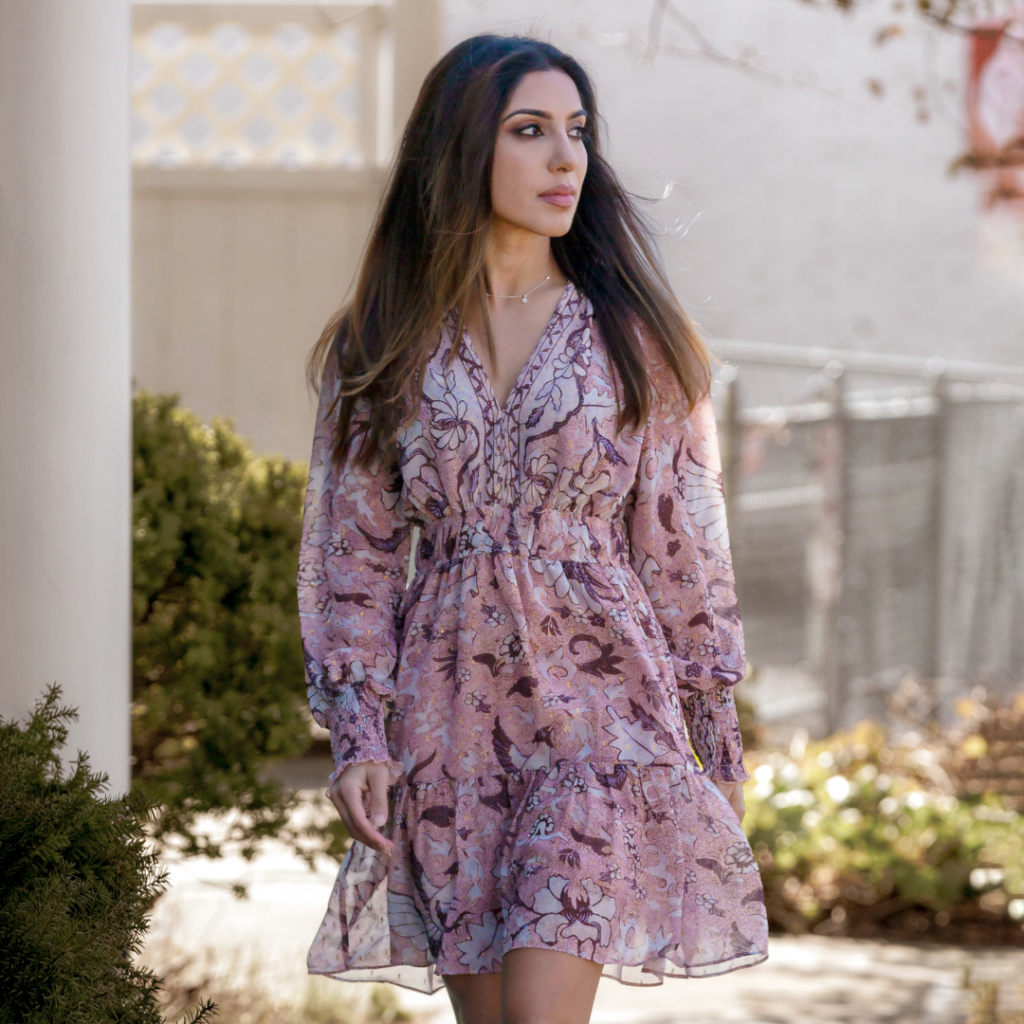
Building a Healthier Relationship With Personal Style
Developing a healthier relationship with fashion requires shifting focus from perfection to authenticity. Personal style should reflect individual values, preferences, and lifestyle rather than constantly changing external expectations.
A thoughtfully curated wardrobe often provides greater satisfaction than an endless collection of trend-driven purchases. Investing in versatile pieces that align with personal identity can reduce decision fatigue and increase confidence.
Mindful consumption also plays an important role. Evaluating purchases carefully and prioritizing quality over quantity supports both financial well-being and sustainable fashion practices.
Most importantly, individuals should remember that clothing is only one aspect of identity. Confidence, character, and personal achievements contribute far more to long-term fulfillment than any fashion trend.
The Role of Fashion Culture in Shaping Expectations
Fashion culture influences society in both beneficial and challenging ways. It encourages creativity, innovation, and self-expression while also contributing to expectations that may feel difficult to achieve.
As consumers become more aware of these influences, many are embracing more balanced perspectives on style. Movements promoting body positivity, sustainable fashion, and authentic self-expression are challenging traditional fashion standards.
These developments suggest that future fashion culture may place greater emphasis on individuality and well-being rather than perfection and constant consumption.
Such changes could help reduce the pressure to dress perfectly while preserving the positive aspects of fashion expression.
Conclusion
The pressure to dress perfectly in modern society reflects the powerful influence of fashion expectations, social media, cultural standards, and personal perceptions. While fashion can inspire creativity and confidence, it can also create emotional and financial challenges when perfection becomes the goal.
The constant pursuit of flawless appearance often leads to comparison, unnecessary spending, and unrealistic self-evaluation. Yet fashion does not need to function this way. When approached thoughtfully, it can become a meaningful tool for self-expression rather than a source of pressure.
Developing confidence in personal style requires embracing authenticity over perfection. By focusing on comfort, individuality, and mindful consumption, individuals can enjoy the benefits of fashion without becoming trapped by unrealistic expectations.
Ultimately, the most compelling style is not the one that perfectly follows every trend. It is the one that genuinely reflects the person wearing it. In a world filled with fashion influence and social comparison, authenticity remains far more powerful than perfection.