The Untold Effects of Fashion Overload
Introduction
Fashion has never been more accessible than it is today. With online shopping platforms, social media trends, influencer recommendations, and fast-changing retail collections, consumers have access to an almost unlimited selection of clothing. New styles appear every day, fashion trends travel across the world within hours, and purchasing the latest look often requires only a few clicks.
At first glance, this seems like a remarkable advantage. More choices should create more freedom, more creativity, and more opportunities for self-expression. Yet an interesting contradiction has emerged within modern fashion culture. Despite having access to more clothing than ever before, many consumers feel increasingly overwhelmed, dissatisfied, and uncertain about their style decisions.
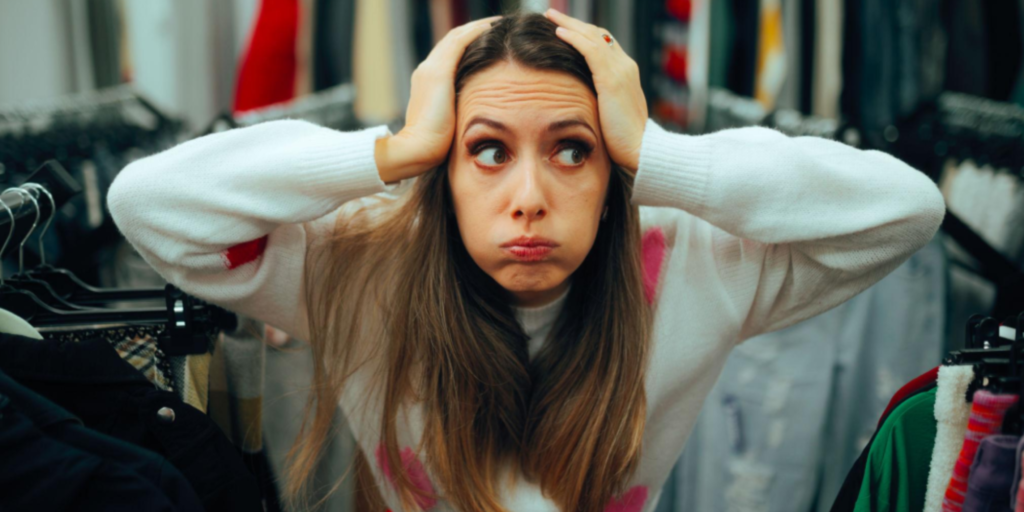
This phenomenon can be described as fashion overload. It occurs when the sheer volume of clothing options, fashion trends, shopping opportunities, and style influences becomes difficult to manage. Instead of making fashion easier and more enjoyable, excessive choices can create confusion, pressure, and decision fatigue.
Fashion overload is rarely discussed compared to topics such as sustainability or trend forecasting. However, its impact reaches far beyond wardrobes. It affects consumer behavior, financial decisions, personal style, mental well-being, and the overall relationship people have with fashion.
Understanding the untold effects of fashion overload is essential because modern consumers are navigating a fashion environment unlike any previous generation. More options do not always lead to greater satisfaction, and sometimes abundance creates challenges that simplicity never would.
The Rise of Unlimited Fashion Choices
For most of history, clothing choices were relatively limited. Consumers purchased garments seasonally, fashion trends evolved gradually, and wardrobes often consisted of practical pieces worn repeatedly over long periods.
The modern fashion industry operates very differently. Digital retail platforms, global manufacturing networks, and fast fashion brands continuously introduce new products into the market. Consumers can browse thousands of items from countless brands without leaving home.
This abundance has transformed shopping habits. Fashion is no longer something encountered occasionally; it is present constantly through advertisements, social media feeds, influencer content, and online stores.
While expanded access has many advantages, it has also introduced a level of complexity that many consumers struggle to navigate effectively.
Why More Choices Do Not Always Create More Satisfaction
Conventional thinking suggests that additional choices improve consumer experiences. After all, having more options should make it easier to find something suitable.
However, psychology often tells a different story. When individuals face too many options, decision-making becomes more difficult. Instead of feeling empowered, consumers may feel uncertain about whether they are making the right choice.
Fashion overload creates this exact situation. A shopper searching for a simple outfit may encounter hundreds of alternatives. Instead of increasing confidence, excessive variety can create hesitation and frustration.
Consumers often spend more time evaluating options while feeling less satisfied with final decisions. The possibility that a better choice exists somewhere else continues lingering in the background.
This pattern contributes to decision fatigue and reduced enjoyment of the shopping process.
How Fast Fashion Accelerates Fashion Overload
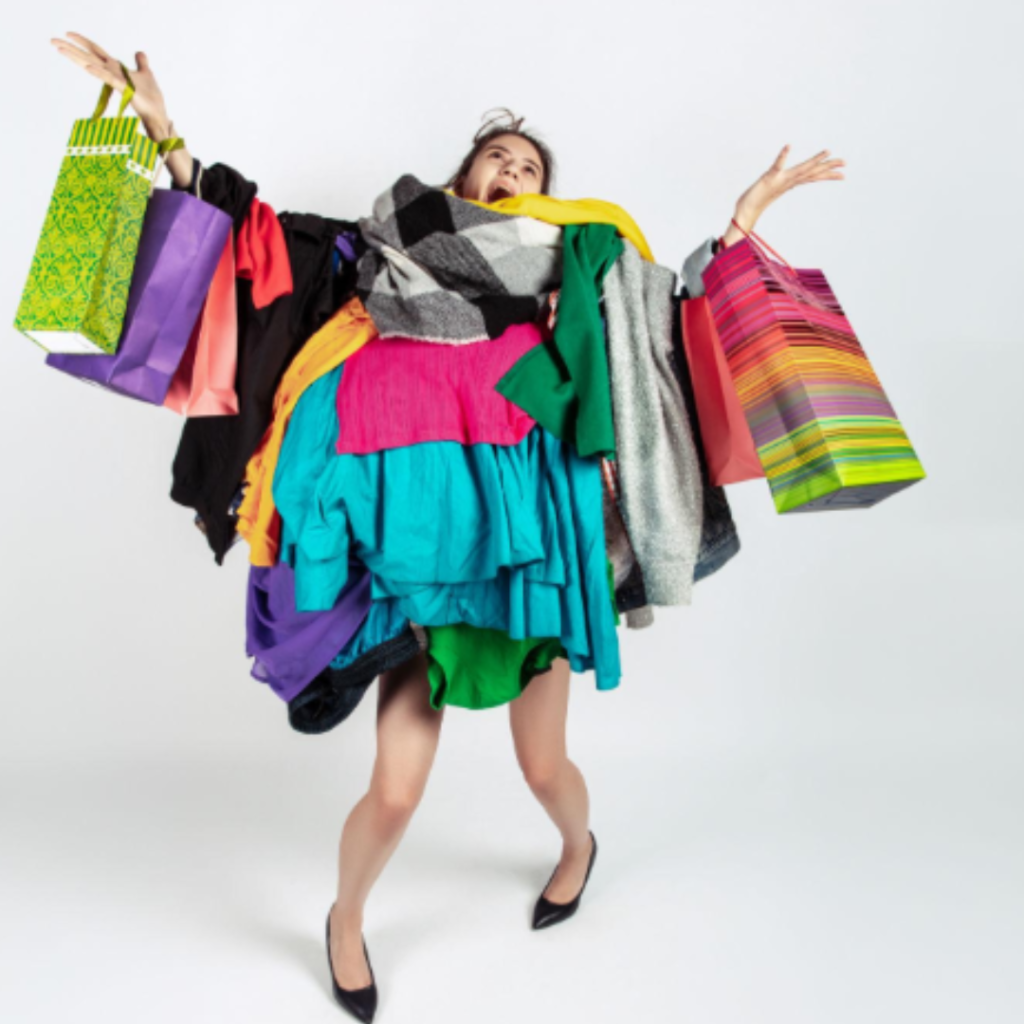
Fast fashion has played a major role in expanding clothing availability. New collections arrive rapidly, allowing consumers to access the latest fashion trends almost immediately.
The speed of fast fashion creates excitement and novelty. However, it also encourages constant exposure to new products. Consumers rarely have time to appreciate current purchases before encountering the next wave of trends.
As a result, wardrobes grow larger while satisfaction often remains unchanged. Many individuals continue searching for new items despite already owning numerous clothing options.
Fast fashion thrives on continuous consumption, but this cycle can contribute to fashion overload by creating a sense that wardrobes are never complete.
The constant arrival of new styles makes it difficult for consumers to feel content with existing choices.
The Hidden Impact on Personal Style
Personal style develops through experimentation, experience, and self-awareness. It reflects individual preferences rather than temporary fashion movements.
Fashion overload can interfere with this process. Consumers exposed to endless trends may struggle to identify what genuinely appeals to them. Instead of building cohesive wardrobes, they accumulate clothing influenced by changing trends and external recommendations.
As wardrobes become increasingly diverse, personal style may become less defined. Individuals own more clothing but feel less certain about what represents their identity.
This paradox highlights one of the most overlooked consequences of fashion overload. More clothing does not automatically lead to stronger self-expression.
In some cases, excessive options make authentic style harder to discover.
Social Media and the Pressure to Stay Updated
Social media has dramatically increased exposure to fashion content. Influencers, brands, celebrities, and creators continuously showcase new outfits, accessories, and styling ideas.
While this content can inspire creativity, it also contributes to style pressure. Consumers may feel obligated to remain current with emerging trends to maintain relevance within social environments.
Fashion overload intensifies when individuals compare their wardrobes to the endless stream of new clothing displayed online. Existing garments may suddenly feel outdated despite remaining perfectly functional and stylish.
This comparison often encourages unnecessary purchases and increases dissatisfaction with existing wardrobes.
The challenge is not the availability of inspiration itself but the constant nature of exposure.
Wardrobe Clutter and Decision Fatigue
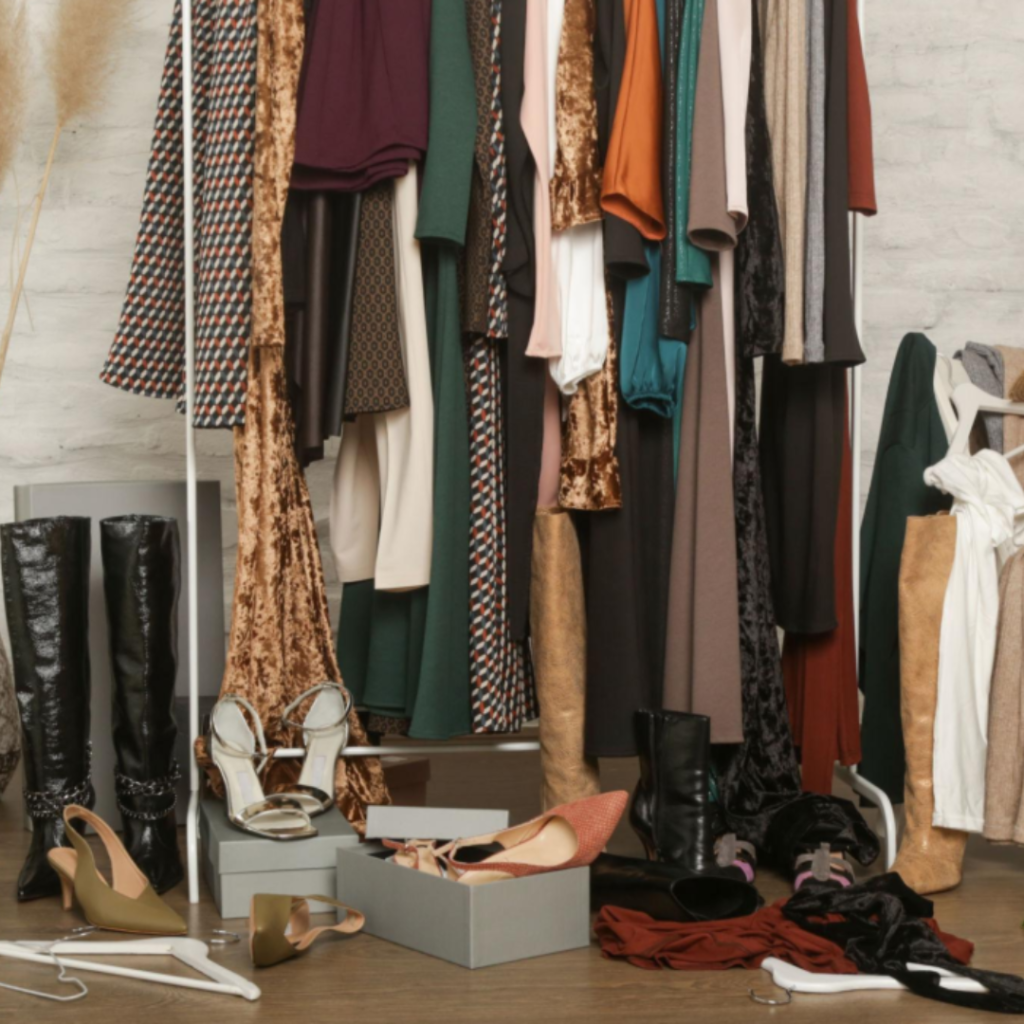
One of the most visible effects of fashion overload is wardrobe clutter. Many consumers own significantly more clothing than they regularly wear.
Closets become filled with impulse purchases, trend-driven items, and garments bought for specific occasions. Ironically, larger wardrobes do not necessarily simplify dressing decisions.
In fact, excessive clothing often creates decision fatigue. Choosing outfits becomes more complicated because individuals must sort through numerous options every day.
Many people report feeling as though they have “nothing to wear” despite owning extensive wardrobes. This frustration highlights the difference between quantity and usability.
A carefully curated wardrobe often provides more satisfaction than one filled with endless options.
The Financial Consequences of Fashion Overload
Fashion overload also affects consumer spending habits. Constant exposure to new products encourages frequent purchasing, even when additional clothing is unnecessary.
Many consumers buy garments because they are influenced by trends, promotions, or social media recommendations rather than genuine needs. These purchases may provide temporary excitement but often contribute little long-term value.
Over time, repeated spending accumulates significantly. Individuals invest substantial amounts in clothing that may rarely be worn.
This pattern creates financial pressure while reducing overall satisfaction. Fashion should enhance life, not become a recurring source of unnecessary expenses.
Mindful purchasing decisions help reduce both clutter and financial strain.
Fashion Psychology and Consumer Behavior
Fashion psychology helps explain why consumers continue purchasing clothing despite already having abundant options. Shopping often provides emotional rewards such as excitement, anticipation, and temporary satisfaction.
New purchases create a sense of novelty that feels rewarding in the moment. However, these feelings are often short-lived. Once the excitement fades, consumers may begin searching for another purchase to recreate the experience.
Fashion overload is closely connected to this cycle. Increased availability makes it easier to pursue temporary satisfaction through shopping.
Understanding these psychological patterns can help consumers make more intentional decisions and develop healthier relationships with fashion.
Awareness is often the first step toward breaking repetitive consumption habits.
Why Sustainable Fashion Offers an Alternative
Sustainable fashion presents a different approach to clothing consumption. Instead of emphasizing constant acquisition, sustainable fashion encourages quality, longevity, and thoughtful purchasing decisions.
Consumers are encouraged to invest in versatile garments that remain useful over time. This approach reduces wardrobe clutter while supporting more responsible consumption patterns.
Sustainable fashion also challenges the assumption that fashion requires continual change. Repeating outfits, repairing garments, and maintaining existing clothing become positive practices rather than signs of limitation.
By slowing consumption, sustainable fashion helps address many of the challenges associated with fashion overload.
It promotes satisfaction through intentionality rather than abundance.
Rebuilding a Healthier Relationship with Fashion
Reducing fashion overload does not require abandoning style or avoiding trends entirely. Instead, it involves creating a more intentional relationship with clothing.
Consumers benefit from evaluating purchases carefully and considering how garments fit into existing wardrobes. Understanding personal preferences helps reduce impulse buying and encourages more consistent style choices.
Limiting unnecessary comparisons can also improve satisfaction. Fashion should be a tool for self-expression rather than a constant source of validation.
When individuals focus on authenticity instead of endless accumulation, fashion becomes more enjoyable and meaningful.
A healthy relationship with fashion is built on confidence, clarity, and purpose rather than constant consumption.
The Future of Fashion Consumption
As awareness of sustainability, minimalism, and mindful consumption continues growing, attitudes toward fashion are beginning to evolve. Many consumers are questioning whether larger wardrobes truly provide greater satisfaction.
Future fashion trends may place greater emphasis on versatility, durability, and personal style rather than continuous novelty. Consumers are increasingly seeking quality experiences rather than endless choices.
Technology and innovation will continue influencing the industry, but there is also growing recognition that simplicity has value.
The future of fashion may involve finding balance between creativity and restraint.
This shift could help consumers enjoy fashion without experiencing the overwhelm that often accompanies excessive choice.
Conclusion
Fashion overload is one of the most significant yet least discussed challenges facing modern consumers. Unlimited clothing options, fast fashion trends, social media influence, and constant exposure to new products have created an environment where abundance often leads to overwhelm rather than satisfaction.
While fashion offers incredible opportunities for creativity and self-expression, excessive choice can contribute to wardrobe clutter, decision fatigue, financial strain, and uncertainty about personal style. Consumers frequently find themselves owning more while enjoying less.
The solution is not eliminating fashion but approaching it more intentionally. By focusing on personal style, sustainable fashion, thoughtful purchasing habits, and meaningful self-expression, individuals can build healthier relationships with clothing.
Ultimately, fashion should simplify confidence rather than complicate it. The most satisfying wardrobes are not necessarily the largest ones. They are the ones that reflect authenticity, support daily life, and allow people to express themselves without feeling overwhelmed by endless choices.