
Why Fashion Trends Are Becoming Increasingly Meaningless
Introduction
Fashion trends have always played an important role in shaping the fashion industry. For decades, trends influenced clothing choices, inspired designers, and provided consumers with new ways to express themselves. A fashion trend often reflected cultural shifts, social movements, artistic influences, and changing lifestyles. In many ways, fashion trends acted as a visual representation of what society valued during a specific period.
Today, however, the meaning behind fashion trends appears to be changing. New styles emerge at extraordinary speed, dominate social media for a short period, and disappear almost as quickly as they arrived. Consumers are exposed to an endless stream of fashion trends every day, yet many struggle to remember which trends were popular only a few months ago.
This rapid turnover has sparked an important conversation within modern fashion. Many consumers, designers, and industry observers are beginning to question whether fashion trends still carry the same significance they once did. When trends change weekly instead of seasonally, their cultural impact often becomes diluted. What once represented creativity and social influence can sometimes feel like a cycle of constant replacement.
The growing perception that fashion trends are becoming increasingly meaningless is not necessarily a criticism of fashion itself. Rather, it reflects deeper changes in fashion consumer behavior, social media fashion, fast fashion, and the way people interact with clothing. Understanding these changes helps explain why more consumers are turning toward personal style, timeless fashion, and sustainable fashion rather than relying solely on trend culture.
The Original Purpose of Fashion Trends
Fashion trends were not always driven by algorithms, influencer marketing, or viral content. Historically, trends evolved gradually and often reflected meaningful cultural developments. Clothing styles were influenced by art, music, politics, social change, and technological innovation.
Fashion trends provided a shared visual language that connected people within specific periods. They represented more than appearance. They communicated ideas, attitudes, and identities.
Because trends developed at a slower pace, consumers had time to understand and adopt them. Fashion trends often lasted long enough to leave a lasting impression on culture and design.
This slower evolution gave trends a sense of significance. They became markers of history rather than temporary moments of online attention.
Modern fashion operates differently, and this shift has dramatically altered the role of trends.
How Social Media Fashion Changed Everything
Social media fashion has transformed the speed at which trends spread. Platforms such as Instagram, TikTok, and Pinterest allow new fashion trends to reach millions of consumers within hours.
A single viral video can introduce a style to global audiences almost instantly. Influencers, content creators, and fashion brands continuously share new outfit ideas, styling techniques, and shopping recommendations.
While this accessibility has created exciting opportunities for creativity, it has also accelerated trend cycles beyond anything previously experienced in the fashion industry.
Consumers no longer encounter fashion trends occasionally. They encounter them constantly.
As a result, trends compete for attention in increasingly crowded digital environments. Their lifespan becomes shorter, and their cultural relevance often diminishes more quickly.
The faster trends appear, the faster they disappear.
Fast Fashion and the Endless Trend Cycle
Fast fashion has become one of the primary drivers behind the growing sense that fashion trends are losing meaning. Fast fashion brands are designed to respond quickly to emerging styles and consumer demand.
When a trend gains attention online, retailers often produce similar versions within days or weeks. Consumers can purchase trend-driven clothing almost immediately.
This speed creates an endless cycle of consumption. New trends replace existing ones before consumers have fully explored or appreciated them.
Instead of allowing styles to evolve naturally, fast fashion encourages rapid turnover. Clothing becomes temporary rather than meaningful.
The result is a fashion environment where trends feel disposable rather than influential.
This constant replacement contributes significantly to fashion fatigue and trend exhaustion.

Why Consumers Are Experiencing Fashion Fatigue
Fashion fatigue is becoming increasingly common among modern consumers. The endless stream of fashion trends creates pressure to remain updated, informed, and engaged.
Every day introduces new products, styling advice, shopping recommendations, and viral fashion content. Consumers spend significant amounts of time evaluating what is fashionable and what is already fading from relevance.
This continuous decision-making process can become exhausting.
Fashion fatigue occurs when consumers feel overwhelmed by the speed and volume of trend-related information. Instead of feeling inspired, they begin feeling disconnected from the trend cycle.
Many consumers respond by ignoring trends altogether or focusing on clothing that remains useful regardless of changing fashion movements.
Fashion fatigue is one reason personal style is gaining popularity again.
The Decline of Fashion Identity
Fashion identity is closely connected to self-expression. Clothing has traditionally allowed individuals to communicate personality, values, and creativity.
However, constant trend exposure can make authentic self-expression more difficult. When consumers are encouraged to follow rapidly changing fashion trends, they may struggle to identify their genuine preferences.
Fashion identity becomes fragmented because clothing choices are increasingly influenced by external sources rather than internal preferences.
Consumers often purchase trend-driven items that feel exciting temporarily but lack long-term relevance within their wardrobes.
As trends become more dominant, personal style sometimes becomes less visible.
This shift contributes to the perception that fashion trends are becoming increasingly disconnected from individual identity.
Trend Culture and the Search for Validation
Modern trend culture is often linked to social validation. Consumers may participate in fashion trends because they want approval, visibility, or a sense of belonging.
Social media platforms reward engagement, making popular styles highly visible. Users often feel encouraged to adopt these styles to remain relevant within online communities.
While participation can be enjoyable, it can also reduce the personal significance of clothing choices.
Fashion becomes less about self-expression and more about social alignment.
When trends are adopted primarily for visibility rather than personal meaning, they naturally feel less important over time.
The pursuit of validation can transform fashion trends into short-term social signals rather than meaningful forms of expression.
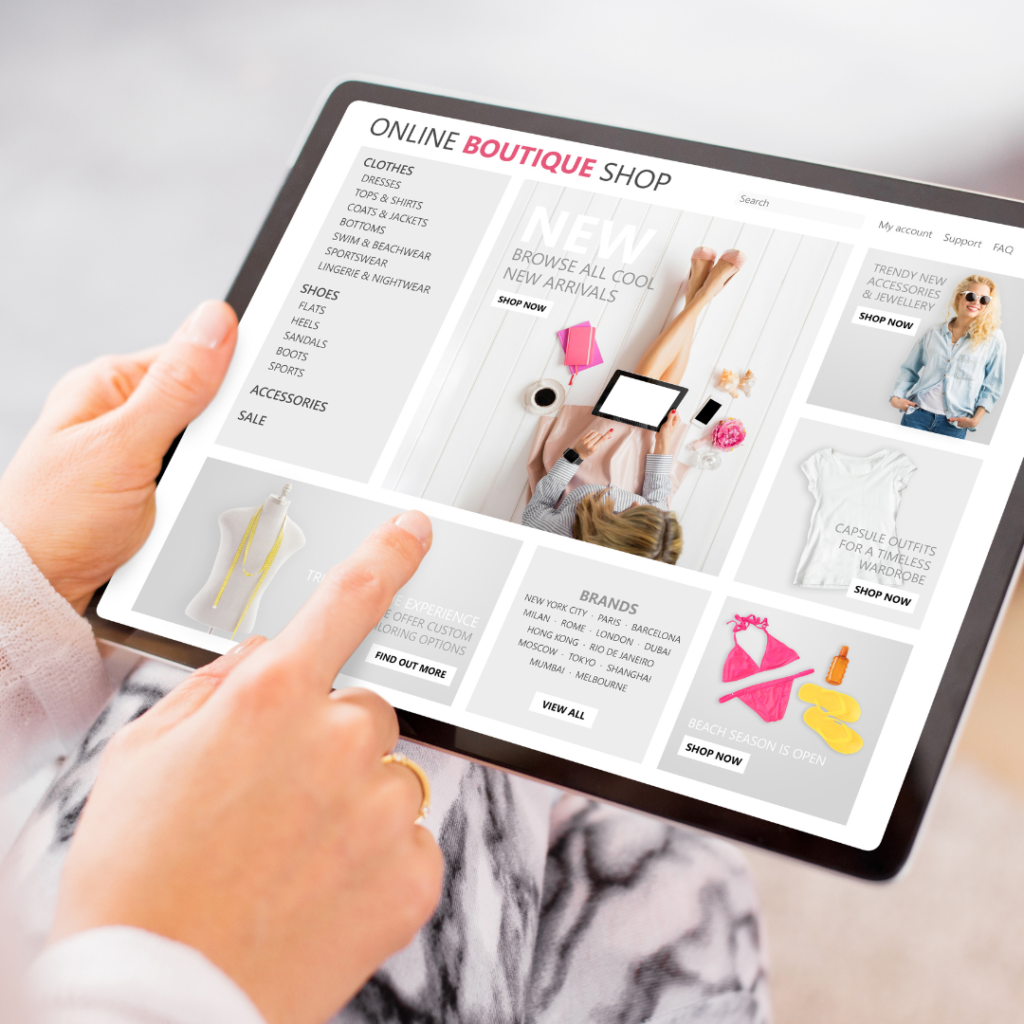
Fashion Overconsumption and Trend Saturation
Fashion overconsumption has become another factor contributing to trend meaninglessness. Consumers today purchase more clothing than previous generations, largely because trend cycles move so quickly.
When every season introduces countless fashion trends, consumers often buy more garments than they actually need. Closets become crowded with items connected to short-lived moments rather than lasting preferences.
This saturation weakens the impact of individual trends.
When everything is trending simultaneously, nothing feels particularly special.
Trend saturation creates an environment where consumers struggle to distinguish between meaningful innovation and temporary popularity.
As a result, many fashion trends lose their ability to generate genuine excitement.
Why Personal Style Is Replacing Trend Dependence
As consumers become increasingly aware of fashion fatigue and trend saturation, many are shifting their attention toward personal style.
Personal style focuses on individuality rather than constant adaptation. It encourages consumers to build wardrobes based on preferences, lifestyle needs, and long-term satisfaction.
Unlike fashion trends, personal style evolves gradually. It reflects authentic choices rather than external pressure.
Many consumers find greater confidence and consistency when they prioritize personal style over trend participation.
This shift represents a broader movement toward intentional fashion consumption.
Consumers are increasingly asking whether a garment suits them rather than whether it is currently trending.
The Rise of Timeless Fashion
Timeless fashion has gained popularity as an alternative to rapid trend cycles. Rather than emphasizing novelty, timeless fashion focuses on versatility, durability, and enduring appeal.
Consumers are investing in garments that remain relevant beyond a single season. Classic silhouettes, neutral colors, and quality materials often provide greater long-term value.
Timeless fashion supports wardrobe stability while reducing the pressure associated with constant trend changes.
This approach aligns closely with sustainable fashion and mindful consumption practices.
The growing interest in timeless fashion suggests that many consumers are seeking deeper meaning within their clothing choices.
Quality and longevity are becoming more valuable than temporary popularity.
Sustainable Fashion and Meaningful Consumption
Sustainable fashion has emerged as a powerful response to fashion overconsumption and trend fatigue. This movement encourages consumers to purchase thoughtfully and focus on long-term usefulness.
Rather than chasing every new fashion trend, sustainable fashion promotes intentional decision-making.
Consumers are encouraged to evaluate whether purchases align with their values, lifestyle, and wardrobe needs.
This mindset creates stronger connections between consumers and clothing. Garments become meaningful because they are selected carefully rather than impulsively.
Sustainable fashion demonstrates that meaningful fashion experiences often come from quality and purpose rather than constant novelty.
The Future of Fashion Beyond Trends
The future of fashion is likely to involve a balance between innovation and authenticity. Fashion trends will continue to exist because creativity and change remain essential aspects of the fashion industry.
However, consumers are becoming more selective about which trends they embrace. Personal style, sustainable fashion, and timeless fashion are increasingly influencing purchasing decisions.
Brands that focus on meaningful design and long-term value may resonate more strongly with future consumers.
Fashion trends will always have a place within the industry, but their role may continue evolving.
The future may prioritize individuality over conformity and purpose over constant replacement.
Conclusion
Fashion trends are becoming increasingly meaningless for many consumers because the speed, volume, and visibility of modern trend culture have transformed how trends function. Social media fashion, fast fashion, fashion overconsumption, and digital influence have accelerated trend cycles to the point where many styles disappear before they can develop lasting significance.
As fashion fatigue grows, consumers are turning toward personal style, timeless fashion, and sustainable fashion as alternatives to endless trend chasing. These approaches offer greater authenticity, stronger wardrobe satisfaction, and more meaningful connections with clothing.
Ultimately, fashion trends are not disappearing. Instead, consumers are redefining their relationship with them. The future of fashion may belong not to the fastest-moving trends but to the styles and values that remain meaningful long after the trend cycle ends.