
The Rise of AI Fashion Stylists and Automated Outfit Recommendations
Modern consumers now expect fashion brands and online platforms to understand their style preferences, body type, shopping behavior, and lifestyle choices. Because of this growing demand for convenience and personalization, AI fashion stylists are becoming increasingly popular among both fashion brands and everyday consumers.
Artificial intelligence can now analyze fashion trends, customer preferences, seasonal styles, social media behavior, and purchasing history to provide highly personalized outfit suggestions within seconds. These automated outfit recommendations help consumers save time, reduce shopping confusion, and discover styles that match their personality more accurately.
Social media, ecommerce growth, and digital shopping culture have accelerated this transformation rapidly. Consumers no longer want to spend hours searching through thousands of products online. Instead, they increasingly prefer smart fashion shopping systems that provide curated recommendations based on personal interests and visual preferences.
At the same time, the growing influence of artificial intelligence in fashion has created both excitement and concern. While many people appreciate convenience and personalization, others worry that AI-driven styling may reduce human creativity, increase digital dependency, and limit personal fashion experimentation.
AI Fashion Technology Is Transforming Shopping Behavior
One of the biggest reasons behind the rise of AI fashion stylists and automated outfit recommendations is changing consumer behavior in digital shopping environments.
Modern fashion consumers expect faster, smarter, and more personalized online experiences. Traditional online shopping often feels overwhelming because ecommerce platforms display thousands of products without understanding individual taste or styling preferences.
AI fashion technology solves this problem by analyzing customer behavior and offering targeted clothing suggestions tailored to each shopper.
AI clothing recommendations study browsing history, saved items, shopping patterns, favorite colors, preferred fits, and even seasonal interests to create personalized outfit ideas.
Consumers increasingly appreciate this convenience because it reduces decision fatigue and improves shopping efficiency.
Fashion ecommerce AI systems also help customers discover styles they may not have searched for independently, increasing engagement and purchase confidence.
However, some shoppers may feel uncomfortable with the amount of personal data collected by digital fashion platforms to improve recommendation systems.
Personalized Styling Is Becoming More Popular
Personalized fashion recommendations have become one of the strongest trends in modern online retail. Consumers today want clothing experiences that feel unique and individually tailored instead of generic mass-market suggestions.
AI styling apps now function almost like digital personal shoppers by suggesting complete outfit combinations based on user preferences, body shape, weather conditions, occasions, and fashion interests.
Virtual fashion assistants help users mix and match clothing more easily, making fashion styling accessible even for consumers who lack confidence in creating outfits themselves.
This personalized approach improves emotional connection because shoppers feel understood and supported during the buying process.
Fashion technology trends in 2026 clearly show that consumers value individuality and convenience more strongly than ever before.
At the same time, overdependence on algorithm-based recommendations may gradually reduce independent fashion experimentation and creative styling confidence among some users.
Social Media Is Influencing AI Styling Systems
Social media plays a major role in the development of AI fashion stylists because digital platforms constantly generate massive amounts of fashion-related data.
AI systems study trending styles, influencer content, celebrity fashion, seasonal aesthetics, and online engagement patterns to understand what consumers find visually appealing.
Platforms like Instagram, Pinterest, TikTok, and YouTube strongly influence fashion preferences today, making them valuable data sources for AI-powered recommendation engines.
Consumers often interact with fashion content online before making purchases, allowing AI systems to predict shopping interests more accurately.
Online fashion personalization therefore becomes more effective because algorithms continuously learn from user activity and visual engagement behavior.
However, social media-driven recommendations may also encourage repetitive trend cycles where consumers increasingly wear similar styles influenced by digital algorithms.

Virtual Fashion Assistants Improve Customer Experience
Virtual fashion assistants are becoming highly popular because they simplify online shopping experiences significantly.
Consumers shopping online frequently struggle with outfit coordination, sizing decisions, and styling uncertainty. AI fashion stylists help solve these problems by providing real-time suggestions and visual outfit combinations.
Some advanced systems now use virtual fitting technology and digital avatars to help customers see how clothing may appear before purchasing.
Smart fashion shopping platforms also provide recommendations based on event types, weather conditions, travel plans, workplace dress codes, and seasonal trends.
Consumers appreciate the convenience of receiving curated suggestions instantly instead of manually searching through large online inventories.
Fashion brands benefit as well because personalized recommendations often increase customer satisfaction, engagement time, and conversion rates.
However, virtual styling systems may sometimes struggle to fully understand emotional, cultural, or deeply personal style preferences that human stylists naturally recognize.
AI Helps Fashion Brands Increase Sales
The rise of AI fashion stylists is also strongly connected with business growth strategies within the fashion industry.
Fashion brands use artificial intelligence in fashion to improve customer retention, increase purchase frequency, and reduce product return rates.
AI systems help companies recommend products more accurately, which improves shopping confidence and decreases dissatisfaction caused by poor style matching.
Fashion ecommerce AI platforms can also identify emerging trends quickly and adjust inventory recommendations based on real-time consumer demand.
Automated outfit recommendations encourage consumers to purchase additional items by showing coordinated accessories, shoes, jackets, or styling combinations alongside selected products.
This data-driven approach helps brands create more profitable and personalized customer experiences.
At the same time, excessive commercialization of AI recommendations may sometimes encourage impulsive shopping behavior and unnecessary consumption.
Younger Consumers Prefer Digital Styling Convenience
Younger generations especially are driving the popularity of AI styling apps and automated fashion recommendations.
Digital-native consumers are already comfortable using technology for entertainment, communication, shopping, and lifestyle management. As a result, AI-powered fashion tools feel natural and convenient to many younger shoppers.
Consumers today increasingly expect instant solutions and personalized digital experiences across every industry, including fashion.
Virtual fashion assistants fit well within modern mobile-first lifestyles where users prefer quick recommendations and simplified decision-making.
Young shoppers also enjoy experimenting with AI-generated style suggestions because digital platforms expose them to global fashion inspiration continuously.
However, some critics argue that algorithm-driven styling may reduce originality and encourage consumers to follow highly similar online aesthetics.
AI Is Making Fashion More Accessible
Another reason why AI fashion technology is growing rapidly is because it makes styling advice more accessible to broader audiences.
Traditional personal styling services were often expensive and available mainly to luxury consumers. AI-powered systems now provide affordable styling support to millions of online shoppers globally.
Consumers with limited fashion knowledge can receive guidance regarding outfit coordination, color matching, seasonal trends, and style combinations without hiring professional stylists.
This accessibility helps many shoppers feel more confident about fashion decisions and online purchases.
Automated outfit recommendations also support consumers living in areas without access to premium fashion retail or styling services.
At the same time, digital styling accessibility may reduce demand for some traditional retail styling roles within physical fashion stores.
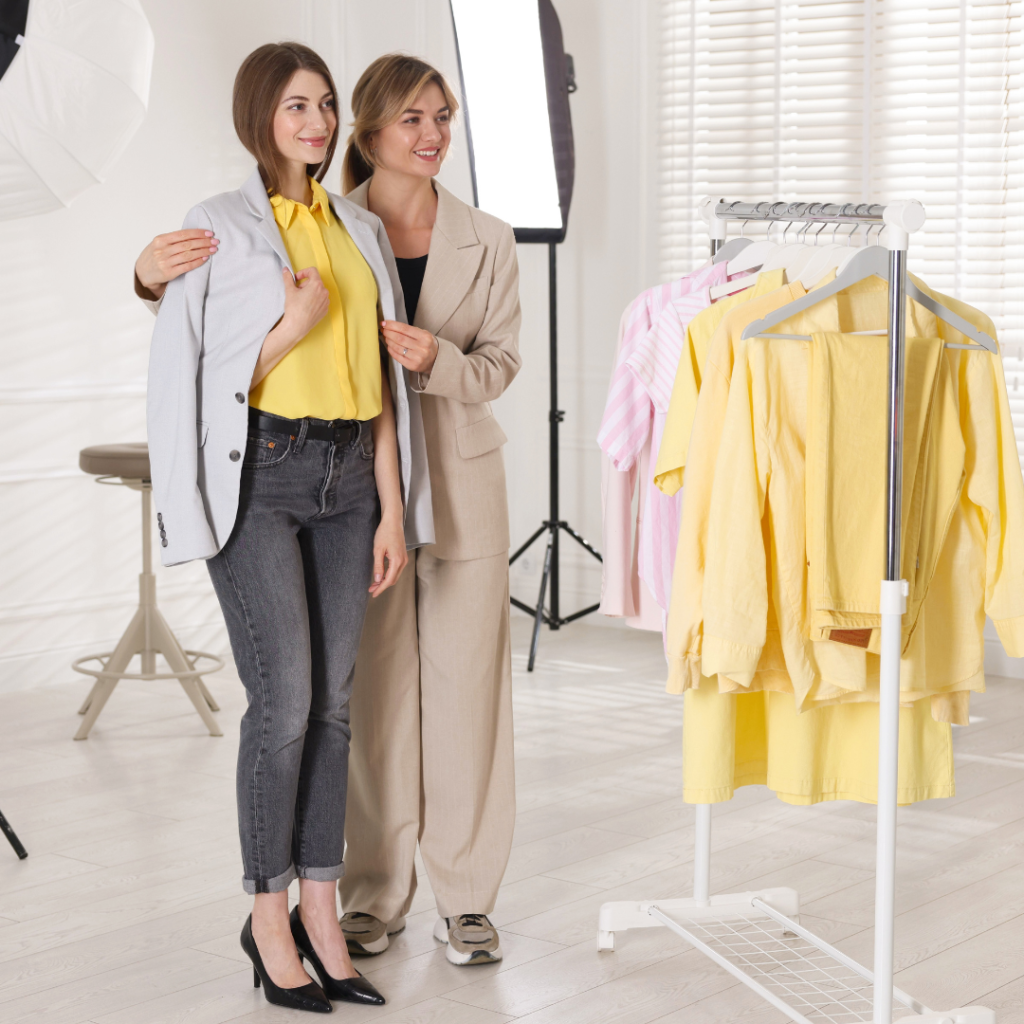
AI Can Reduce Shopping Frustration
Online fashion shopping often creates frustration because customers face too many product choices, inconsistent sizing, and uncertainty about styling combinations.
AI clothing recommendations simplify this process by filtering products according to personal preferences and shopping history.
Consumers appreciate faster decision-making and reduced confusion during online browsing experiences.
Fashion technology trends increasingly focus on improving convenience because digital consumers expect smooth and personalized interactions.
AI-powered systems can also remind users about wardrobe compatibility, helping shoppers avoid buying unnecessary duplicate items.
However, recommendation systems are not always perfect. Algorithms may occasionally misunderstand personal taste or repeatedly suggest overly similar styles.
Concerns About Creativity and Individuality
Despite the convenience of AI fashion stylists, concerns continue growing regarding creativity and individuality within fashion culture.
Fashion has traditionally been deeply connected with artistic experimentation, emotional expression, and personal creativity. Some critics worry that heavy dependence on algorithm-driven styling could make fashion choices feel repetitive and predictable.
Automated outfit recommendations often prioritize popular trends and engagement-based aesthetics, which may reduce exposure to unique or unconventional styles.
Consumers may gradually become more dependent on digital validation instead of developing independent fashion identity and personal confidence.
Fashion creativity thrives through diversity, experimentation, and emotional intuition — qualities that artificial intelligence still cannot fully replicate naturally.
Data Privacy Is Becoming a Major Issue
AI fashion technology depends heavily on customer data collection. Shopping behavior, browsing history, body measurements, social media activity, and style preferences are often analyzed continuously to improve recommendations.
While many consumers appreciate personalization, others worry about privacy, digital tracking, and data security.
Fashion brands using AI systems must increasingly balance personalization with transparency and responsible data management practices.
Consumers are becoming more aware of how digital platforms collect and use personal information to influence purchasing decisions and shopping behavior.
Future of AI Fashion Stylists
The future of AI fashion stylists and automated outfit recommendations appears extremely strong as technology continues evolving rapidly.
Artificial intelligence will likely become even more advanced through virtual reality shopping, digital wardrobe assistants, AI-generated fashion design, and hyper-personalized styling systems.
Fashion ecommerce AI may eventually create fully customized virtual shopping experiences where consumers interact with digital stylists in real time.
At the same time, human creativity and emotional fashion expression will likely remain important because consumers still value originality, storytelling, and authentic personal identity.
The future of fashion may therefore involve collaboration between technology-driven convenience and human-centered creativity rather than complete automation alone.
Conclusion
The rise of AI fashion stylists and automated outfit recommendations reflects the growing connection between technology, personalization, and modern consumer behavior. AI fashion technology is transforming online shopping by offering faster, smarter, and more personalized fashion experiences for global consumers.
Virtual fashion assistants, personalized styling apps, and automated clothing recommendations help shoppers save time, improve outfit coordination, and discover fashion trends more efficiently.
While artificial intelligence in fashion creates convenience and accessibility, it also raises important questions regarding creativity, privacy, emotional expression, and digital dependency within modern fashion culture.
As the fashion industry continues evolving digitally, balancing technology-driven personalization with individuality, ethical data use, and creative freedom will become increasingly important for both brands and consumers in the future.
You May Also Read
Fashion Lessons From Different Cultures: Timeless Style Inspiration From Around the World 2026
Fashion Lessons From Different Cultures Fashion has always been more...
Read More
Laundry Habits That Protect Fabrics: The Ultimate Guide to Keeping Clothes Looking New Longer 2026
Laundry Habits That Protect Fabrics Clothing is an essential part...
Read MoreFashion From Coastal Cities: How Seaside Culture Inspires Timeless Style Around the World 2026
Fashion From Coastal Cities Fashion has always reflected the places...
Read More