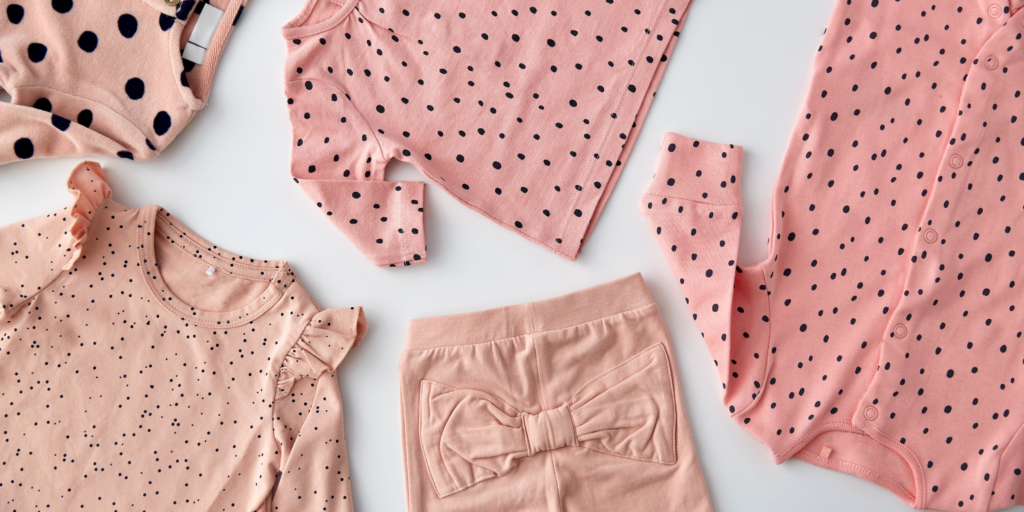
How to Choose Skin-Friendly Clothes for Babies
Choosing clothes for babies may seem simple at first, but for parents, especially new parents, it quickly becomes an important responsibility connected with comfort, safety, and skin protection. A baby’s skin is extremely delicate during the early months of life, making fabric quality and clothing comfort far more important than appearance alone. In 2026, parents are becoming increasingly aware of how clothing materials affect newborn comfort, skin health, sleep quality, and daily well-being. Because of this growing awareness, understanding how to choose skin-friendly clothes for babies has become one of the most important topics in modern baby care and children’s fashion.
Today’s parents no longer focus only on cute baby outfits or trendy newborn fashion. They now carefully evaluate softness, breathability, stitching quality, fabric safety, and chemical-free production before buying baby clothes. Modern parenting culture strongly emphasizes gentle fabrics, comfortable baby wear, and skin-safe materials designed specifically for sensitive infant skin.
The growing popularity of organic baby clothes and eco-friendly baby clothing reflects this shift clearly. Parents increasingly prefer natural materials like cotton, bamboo, muslin, and organic fabrics because these materials feel soft, breathable, and safer for babies compared to rough synthetic textiles.
Online shopping and social media have also transformed how parents choose newborn clothing. Parenting influencers, baby fashion brands, pediatric advice platforms, and ecommerce reviews constantly guide purchasing decisions regarding baby fashion trends in 2026.
At the same time, modern baby clothing markets also create confusion for parents due to overwhelming product choices, aggressive marketing claims, and expensive premium branding. While stylish baby fashion continues growing rapidly, comfort and skin protection remain the most essential priorities for responsible parents.
Baby Skin Requires Extra Protection
One of the biggest reasons why parents must carefully choose skin-friendly baby clothes is because newborn skin is far more sensitive than adult skin.
A baby’s skin barrier is thinner and more delicate during the early months, making it more vulnerable to irritation, dryness, rashes, heat discomfort, and allergic reactions. Rough fabrics, poor stitching, synthetic materials, or harsh dyes can easily create discomfort and skin irritation.
Soft baby clothing therefore becomes extremely important for maintaining comfort and protecting newborn skin from unnecessary friction or overheating.
Comfortable baby wear should allow the skin to breathe naturally while remaining lightweight and gentle throughout daily activities and sleep routines.
Parents increasingly understand that babies spend most of their time in direct contact with clothing fabrics, making material quality one of the most important aspects of newborn care.
At the same time, many fashionable baby outfits sometimes prioritize appearance more than practicality, which can lead to discomfort if parents focus only on design trends.
Cotton Remains the Most Trusted Fabric
Cotton baby clothes continue to remain one of the safest and most recommended options for newborns and infants in 2026.
Cotton is naturally soft, breathable, lightweight, and comfortable against delicate skin. It absorbs moisture effectively and helps regulate body temperature, reducing excessive sweating and skin irritation.
Parents often prefer cotton because it feels gentle during all weather conditions and allows babies to move comfortably throughout the day.
Breathable baby fabrics are especially important in warmer climates where babies can easily become uncomfortable if wearing heavy or non-ventilated materials.
Organic cotton baby clothing is becoming even more popular because it is produced without harsh chemicals, reducing the risk of skin sensitivity or allergic reactions.
However, some low-quality cotton products may still contain synthetic blends or chemical processing, so parents should carefully check fabric labels before purchasing.
Organic Baby Clothes Are Gaining Popularity
Organic baby clothes have become one of the fastest-growing trends in modern baby fashion because parents are increasingly concerned about fabric safety and chemical exposure.
Organic fabrics are usually produced without strong pesticides, toxic dyes, or harsh manufacturing chemicals that may affect delicate baby skin.
Eco-friendly baby clothing also supports sustainable production methods, making it attractive for environmentally conscious families.
Parents often feel emotionally reassured when choosing clothing made from natural and responsibly sourced materials because safety becomes a central concern during early childhood care.
Soft baby clothing made from organic cotton, bamboo, or muslin fabrics often feels smoother and more breathable compared to heavily processed synthetic materials.
At the same time, organic baby clothes can sometimes feel expensive for families managing frequent clothing replacements due to rapid baby growth.
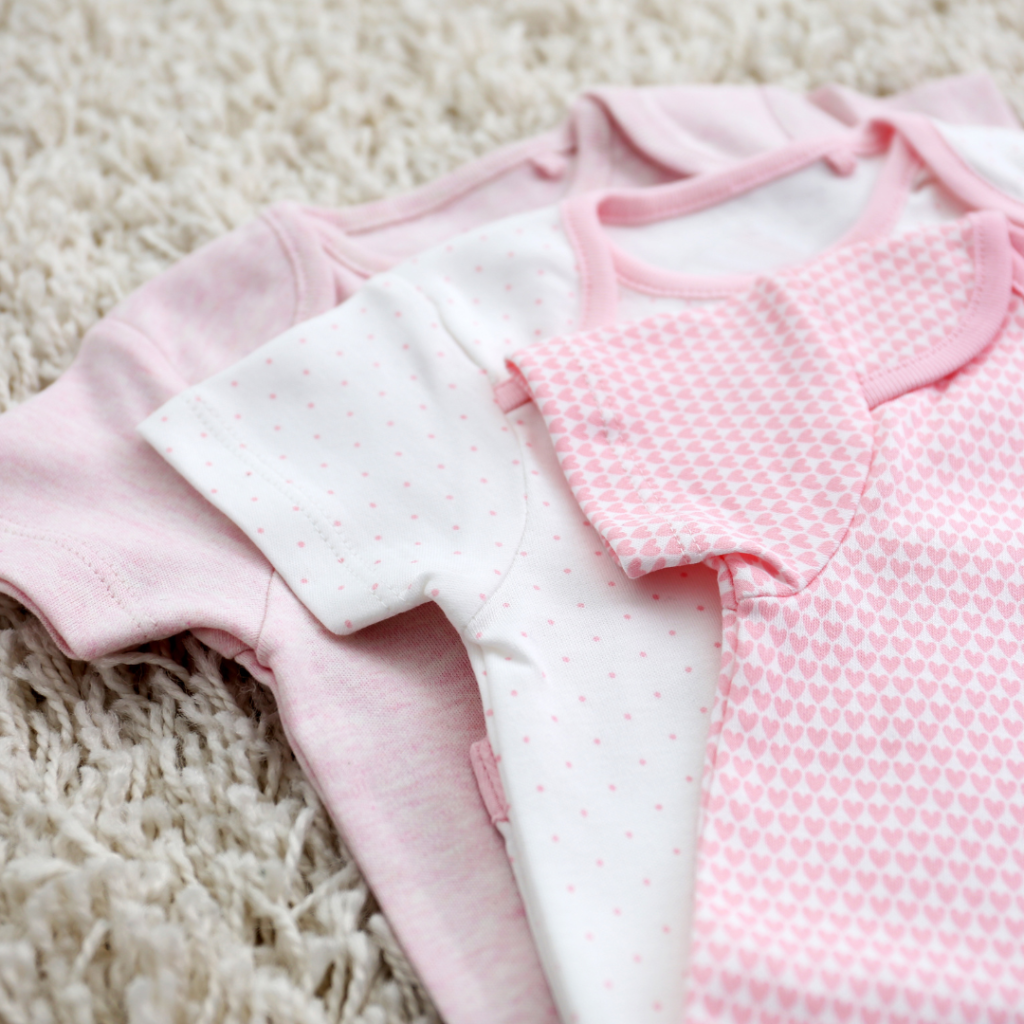
Breathability Is Extremely Important
Babies naturally struggle more with temperature regulation compared to adults, making breathable baby fabrics highly important for daily comfort.
Clothing that traps heat excessively may cause sweating, discomfort, skin irritation, or disturbed sleep patterns.
Skin-friendly baby clothes should allow proper airflow while remaining soft and lightweight during all activities.
Muslin fabrics, cotton blends, and bamboo materials are increasingly preferred because they help maintain comfortable body temperature without causing overheating.
Comfortable baby wear should also adapt easily to weather changes by allowing flexible layering instead of heavy clothing.
Parents today are becoming more careful about avoiding thick synthetic fabrics that create heat discomfort or moisture buildup.
However, colder weather conditions still require balanced layering to protect babies from temperature changes without causing overheating indoors.
Avoiding Harsh Chemicals and Dyes Matters
Modern parents are paying closer attention to fabric treatments, chemical processing, and artificial dyes used in newborn baby fashion.
Many low-quality clothing products contain harsh dyes, synthetic finishes, or chemical softeners that may irritate sensitive baby skin.
Safe newborn clothing increasingly focuses on hypoallergenic production methods designed to minimize skin reactions and fabric-related discomfort.
Parents often prefer light-colored baby clothing because heavily dyed fabrics may sometimes contain stronger chemical processing.
Gentle fabrics for babies should ideally feel soft naturally without depending heavily on artificial chemical treatments.
At the same time, marketing labels claiming “natural” or “chemical-free” can occasionally feel misleading, making careful product research important before purchasing.
Seam Quality and Stitching Affect Comfort
When choosing skin-friendly clothes for babies, fabric alone is not enough. Stitching quality and garment construction also play major roles in comfort.
Rough seams, tight elastic bands, large zippers, or poorly finished edges may irritate delicate skin during movement and sleep.
Comfortable baby wear should include soft seams, stretchable waistbands, and smooth interior stitching that avoids unnecessary friction.
Parents increasingly appreciate minimalist baby clothing designs focusing on practicality and gentle construction instead of excessive decorative elements.
Newborn clothing should also remain flexible enough for diaper changes, movement, and daily handling without creating pressure points on the skin.
However, some fashionable baby outfits still prioritize decorative design over comfort-focused construction.
Loose-Fitting Clothing Supports Baby Comfort
Tight clothing can easily make babies uncomfortable because infants move constantly throughout the day while sleeping, stretching, crawling, or playing.
Loose-fitting soft baby clothing allows better airflow and comfortable movement without restricting natural body activity.
Modern baby fashion trends in 2026 increasingly favor relaxed fits, lightweight rompers, oversized baby tees, and flexible sleepwear designed around comfort.
Parents today understand that babies need freedom of movement for healthy physical development and emotional ease.
Comfortable baby wear also helps reduce unnecessary stress and crying caused by tight or restrictive outfits.
At the same time, excessively loose clothing should still be avoided during sleep because safety and proper fit remain important.

Seasonal Clothing Choices Matter
Weather conditions strongly influence how parents should choose skin-friendly baby clothes throughout the year.
During summer, breathable baby fabrics like muslin and cotton help prevent overheating and sweating. Lightweight outfits remain ideal for maintaining comfort in warm environments.
Winter clothing should focus on layering instead of overly thick fabrics. Soft thermal layers combined with breathable outerwear help maintain warmth without causing excessive heat buildup.
Rainy and humid seasons require moisture-friendly fabrics that dry quickly and remain gentle on sensitive skin.
Parents increasingly prefer season-specific comfortable baby wear designed for changing climate conditions and active daily routines.
Fashion Trends Are Becoming More Comfort-Focused
Baby fashion trends 2026 clearly show that parents now value comfort more strongly than overly decorative or impractical fashion styles.
Modern newborn baby fashion increasingly combines soft fabrics, minimalistic designs, and functional comfort with stylish appearance.
Neutral colors, simple prints, sustainable fabrics, and relaxed silhouettes dominate current children’s fashion trends because parents appreciate practicality alongside visual appeal.
Social media and parenting influencers also encourage more awareness regarding comfortable and skin-safe baby fashion choices.
However, social media pressure can sometimes encourage unnecessary spending on trendy baby outfits rarely used beyond photoshoots or special occasions.
Online Shopping Requires Extra Attention
Many parents now buy baby clothing online because ecommerce platforms offer convenience and wide product variety.
However, online shopping requires careful attention because product images may not accurately represent fabric softness, thickness, or stitching quality.
Parents increasingly rely on customer reviews, fabric descriptions, and trusted baby brands before purchasing online.
Safe newborn clothing should ideally come from reliable brands that clearly explain fabric composition and safety standards.
Digital shopping convenience helps parents access global baby fashion trends, but it also increases the risk of impulsive purchases influenced mainly by appearance instead of practicality.
Sustainability Is Influencing Baby Clothing Choices
Sustainability awareness is becoming increasingly important within children’s fashion industries.
Parents now prefer durable baby clothes that last longer and remain safe through repeated washing cycles.
Eco-friendly baby clothing brands focus heavily on skin safety, responsible production, and reduced environmental impact.
Many families now choose fewer but better-quality baby outfits instead of buying excessive low-cost fast fashion products.
Sustainable fashion habits also help reduce textile waste and support healthier clothing choices for growing children.
Future of Skin-Friendly Baby Clothing
The future of baby fashion will likely continue moving toward safer fabrics, smarter comfort-focused design, and environmentally responsible production methods.
Fashion brands increasingly invest in hypoallergenic baby clothes, organic textiles, breathable materials, and technology-based fabric innovation designed specifically for infant skin sensitivity.
Artificial intelligence and personalized shopping systems may also improve online recommendations for baby clothing comfort and fabric suitability.
Parents will likely continue prioritizing comfort, safety, breathability, and emotional reassurance over purely appearance-focused baby fashion trends.
Conclusion
Understanding how to choose skin-friendly clothes for babies is extremely important because clothing directly affects newborn comfort, skin health, sleep quality, and emotional well-being. Modern parents increasingly prioritize soft baby clothing, breathable fabrics, organic materials, and gentle garment construction designed specifically for delicate infant skin.
Cotton baby clothes, organic baby clothing, and comfortable baby wear continue dominating baby fashion trends in 2026 because parents now value practicality and skin safety more strongly than decorative appearance alone.
Although stylish newborn fashion continues evolving rapidly through digital shopping and social media influence, comfort, breathability, and fabric quality remain the most essential priorities for responsible baby clothing choices.
As awareness about sustainability, skin protection, and healthy child development continues growing, skin-friendly baby clothing will likely remain one of the most important segments within the future children’s fashion industry.
You May Also Read
Fashion Lessons From Different Cultures: Timeless Style Inspiration From Around the World 2026
Fashion Lessons From Different Cultures Fashion has always been more...
Read More
Laundry Habits That Protect Fabrics: The Ultimate Guide to Keeping Clothes Looking New Longer 2026
Laundry Habits That Protect Fabrics Clothing is an essential part...
Read MoreFashion From Coastal Cities: How Seaside Culture Inspires Timeless Style Around the World 2026
Fashion From Coastal Cities Fashion has always reflected the places...
Read More