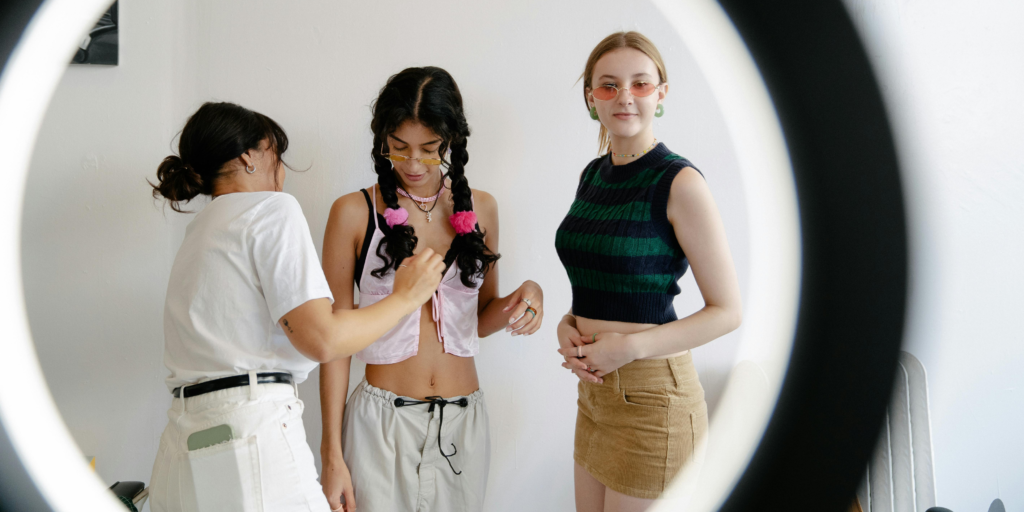
How Fashion Reflects Changing Life Priorities
Fashion has always been more than fabric, colors, and seasonal trends. It serves as a reflection of how people live, what they value, and how their priorities evolve over time. While clothing is often viewed as a form of self-expression, it also reveals important shifts in lifestyle, personal goals, social influences, and cultural values. As individuals grow and society changes, fashion evolves alongside those transformations. This close relationship between fashion and life priorities explains why clothing choices often tell a deeper story than many people realize.
Throughout different stages of life, personal style tends to change. What feels important during one period may no longer hold the same significance years later. Career ambitions, family responsibilities, health awareness, financial goals, environmental concerns, and personal development all influence the way people approach fashion. These changing priorities shape purchasing decisions, wardrobe preferences, and overall attitudes toward clothing.
The connection between fashion and lifestyle has become even more noticeable in today’s fast-moving world. Consumers are increasingly focused on comfort, sustainability, authenticity, and versatility rather than simply following trends. Fashion reflects life priorities because it adapts to evolving needs and values. Understanding this connection provides insight into why fashion continues to change and why personal style remains an important part of individual identity.
The Relationship Between Fashion and Personal Growth
Personal growth often influences how people present themselves to the world. As individuals gain new experiences, develop different interests, and achieve personal milestones, their fashion choices frequently evolve as well. This process of personal style evolution reflects the ongoing journey of self-discovery and maturity.
Fashion and personal growth are closely connected because clothing often serves as a visual representation of identity. A person’s wardrobe may change as confidence increases, career goals become clearer, or lifestyle preferences shift. These changes are not necessarily driven by trends but by a deeper understanding of personal values and priorities.
In younger years, fashion choices may be influenced heavily by social acceptance or current trends. As people grow older, many begin prioritizing comfort, quality, practicality, and authenticity. This shift demonstrates how evolving fashion preferences often mirror broader personal development.
Fashion transformation can also occur during significant life events. Graduating from university, starting a career, becoming a parent, relocating to a new city, or pursuing personal goals can all influence wardrobe decisions. Clothing becomes a reflection of changing responsibilities and aspirations.
Although personal growth may involve periods of uncertainty or transition, fashion often provides a way to express progress and adapt to new chapters in life.
How Lifestyle Changes Influence Fashion Choices
One of the clearest examples of fashion reflecting life priorities can be seen through lifestyle changes. As daily routines evolve, clothing preferences naturally adjust to meet new demands and expectations.
Fashion and lifestyle are interconnected because people often choose clothing based on how they spend their time. Someone working in a corporate environment may prioritize professional attire, while an entrepreneur or remote worker may focus on versatile and comfortable pieces. These choices reflect practical needs rather than purely aesthetic preferences.
Lifestyle fashion has become increasingly important as modern consumers seek clothing that supports flexibility and convenience. Busy schedules, travel, fitness activities, and hybrid work environments have encouraged demand for garments that combine style with functionality.
Changing fashion trends frequently emerge in response to broader lifestyle shifts. The growing popularity of casual wear, activewear, and minimalist wardrobes reflects changing attitudes toward comfort and efficiency. Consumers increasingly value clothing that fits seamlessly into multiple aspects of daily life.
At times, lifestyle transitions can create uncertainty about personal style. However, these moments often encourage individuals to reassess their priorities and build wardrobes that align more closely with their current needs.
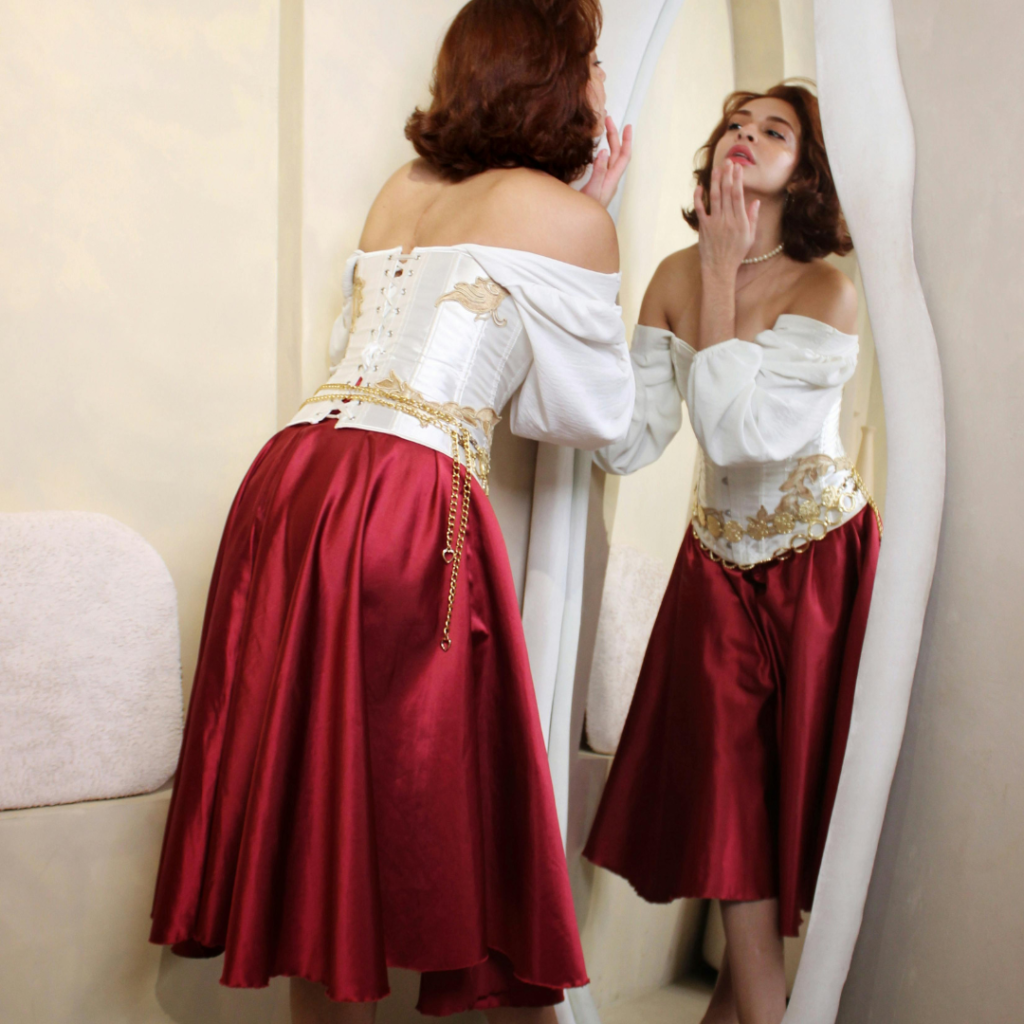
The Growing Importance of Sustainability in Fashion
Sustainability has become one of the most significant factors influencing modern fashion choices. As awareness of environmental issues continues to grow, many consumers are reconsidering how they purchase, wear, and dispose of clothing.
Sustainable fashion reflects changing life priorities because it aligns with a broader commitment to responsible consumption. Consumers are increasingly interested in quality over quantity, choosing durable garments that offer long-term value rather than temporary appeal.
Fashion industry trends indicate that sustainability is no longer a niche concern. Ethical sourcing, eco-friendly materials, and transparent production practices have become important considerations for many shoppers. These priorities influence both purchasing behavior and brand loyalty.
Fashion and values are deeply connected in this context. Individuals who prioritize environmental responsibility often seek brands that share similar commitments. Their fashion choices become expressions of broader beliefs about sustainability and social responsibility.
While sustainable fashion can sometimes involve higher costs or limited availability, many consumers view these challenges as worthwhile investments. The desire to make thoughtful choices reflects a shift away from excessive consumption and toward more intentional purchasing habits.
Fashion Self-Expression and Evolving Identity
Fashion self-expression remains one of the most powerful ways individuals communicate their identity. As life priorities change, the messages people wish to convey through clothing often evolve as well.
Fashion identity is influenced by experiences, values, relationships, and aspirations. Clothing allows individuals to express confidence, creativity, professionalism, or individuality without relying solely on words. This visual communication becomes particularly meaningful during periods of change.
Personal style evolution frequently reflects a deeper understanding of self. Rather than dressing to meet external expectations, many individuals gradually develop styles that align more closely with their authentic personalities. This shift often contributes to greater confidence and satisfaction.
Modern fashion trends increasingly celebrate individuality rather than conformity. Consumers are encouraged to create personal styles that reflect unique experiences and perspectives. This emphasis on authenticity has reshaped how many people approach fashion.
However, self-expression through fashion is not always straightforward. Social pressures, changing trends, and personal insecurities can sometimes create conflicting influences. Despite these challenges, clothing remains a powerful tool for communicating identity and personal growth.
Why Comfort Has Become a Modern Fashion Priority
Comfort has emerged as one of the most influential factors shaping changing fashion trends. In previous decades, style was often prioritized over practicality. Today, many consumers seek a balance between appearance and comfort.
Fashion reflects life priorities because modern lifestyles often require flexibility and adaptability. Long workdays, travel demands, remote work arrangements, and active schedules have increased demand for clothing that supports movement and convenience.
Lifestyle fashion trends such as athleisure, relaxed tailoring, and versatile basics highlight this shift. Consumers are increasingly choosing garments that can transition between different activities without sacrificing comfort or style.
The emphasis on comfort also reflects broader cultural changes. People are becoming more focused on well-being, work-life balance, and personal satisfaction. Fashion choices increasingly support these priorities by reducing unnecessary discomfort and complexity.
Although some critics argue that comfort-focused fashion may reduce formality or traditional style standards, its popularity demonstrates how consumer values continue to evolve.

How Fashion Reflects Career and Financial Priorities
Career goals and financial circumstances often influence fashion choices in significant ways. As professional responsibilities change, individuals frequently adjust their wardrobes to align with new expectations and opportunities.
Fashion and lifestyle decisions are often shaped by workplace environments. Professional attire may become more important during certain career stages, while creative industries may encourage greater experimentation and individuality.
Financial priorities also affect fashion transformation. Some consumers prioritize investment pieces and timeless designs, while others focus on affordability and practicality. These choices reflect broader financial goals and personal values.
Fashion reflects life priorities because clothing purchases are often influenced by budgeting decisions, career aspirations, and long-term planning. Consumers increasingly seek value and versatility rather than making purchases based solely on trends.
This shift has contributed to growing interest in capsule wardrobes, quality essentials, and mindful shopping habits. Such approaches align fashion choices with broader financial and lifestyle objectives.
The Influence of Social and Cultural Changes
Fashion does not exist in isolation. It evolves alongside cultural movements, technological advancements, and social transformations. As society changes, fashion adapts to reflect new priorities and perspectives.
Changing fashion trends often emerge in response to cultural conversations surrounding diversity, inclusion, sustainability, and authenticity. Consumers increasingly support brands that reflect these values and address issues that matter to them.
Fashion industry trends also respond to technological developments. Digital shopping experiences, social media influence, and personalized recommendations have changed how consumers interact with fashion.
Fashion self-expression has become more inclusive, allowing individuals from diverse backgrounds to celebrate their identities through clothing. This cultural shift reflects broader societal priorities centered on representation and individuality.
While social and cultural changes can create both opportunities and challenges within the fashion industry, they continue to shape how people define style and personal identity.
Why Fashion Continues to Evolve With Life Priorities
Fashion remains dynamic because human priorities are constantly changing. New experiences, responsibilities, values, and goals influence how individuals approach clothing and self-expression. As these priorities evolve, fashion adapts accordingly.
Fashion reflects life priorities by serving as a visible representation of what matters most at a particular moment in time. Whether driven by sustainability, comfort, career development, self-expression, or personal growth, clothing choices often reveal underlying values and aspirations.
The future of fashion will likely continue emphasizing flexibility, authenticity, and purpose. Consumers increasingly seek products that align with their lifestyles and support their evolving needs. This shift encourages innovation and creates opportunities for meaningful change within the industry.
Conclusion
Fashion reflects changing life priorities because it evolves alongside personal growth, lifestyle adjustments, cultural influences, and shifting values. Through personal style evolution, sustainable fashion choices, and modern fashion trends, individuals use clothing to express who they are and what matters most to them.
The connection between fashion and lifestyle extends far beyond appearance. Fashion serves as a reflection of personal identity, daily routines, financial goals, environmental awareness, and broader societal changes. As priorities continue to evolve, fashion will remain a powerful tool for self-expression and adaptation.
By understanding how fashion reflects life priorities, consumers can make more intentional choices that align with their values, aspirations, and everyday experiences. In doing so, fashion becomes more than a trend—it becomes a meaningful reflection of life’s ongoing journey.