
Why Fashion Strengthens Social Confidence
Fashion has always been connected to more than appearance. It influences how people present themselves, how they communicate without words, and how they interact with the world around them. While clothing may seem like a simple daily choice, it often has a deeper impact on confidence, self-expression, and social experiences. The connection between fashion confidence and social confidence has become increasingly important in today’s interconnected society, where first impressions and personal presentation frequently shape interactions.
People naturally form opinions based on visual cues. Whether attending a professional meeting, social gathering, networking event, or casual outing, appearance often contributes to the first impression others receive. While character and personality ultimately define relationships, fashion can influence the level of comfort and assurance individuals feel when entering social situations. This is one of the primary reasons social confidence through fashion continues to play a meaningful role in everyday life.
Fashion is not about impressing others or following every trend. Instead, it serves as a tool for expressing identity, enhancing self-esteem, and creating a stronger sense of comfort in social environments. When individuals feel aligned with their appearance, they often become more willing to engage in conversations, build relationships, and participate in new experiences. Understanding why fashion strengthens social confidence reveals the powerful relationship between clothing, self-perception, and human connection.
The Relationship Between Fashion and Self-Esteem
The foundation of social confidence often begins with self-esteem. People who feel comfortable with themselves are generally more willing to interact with others, share their opinions, and embrace new opportunities. Fashion and self-esteem are closely connected because clothing can influence how individuals perceive themselves before they even step into a social setting.
Fashion confidence develops when people wear clothing that reflects their personality, preferences, and lifestyle. A thoughtfully chosen outfit can create a sense of preparedness and self-assurance that carries into conversations and interactions. This effect is not necessarily about wearing expensive brands or luxury pieces. Instead, it comes from feeling authentic and comfortable in what you wear.
When personal style aligns with identity, individuals often experience greater emotional comfort. This comfort can reduce feelings of hesitation and encourage a more open approach to social engagement. In contrast, wearing clothing that feels unnatural or disconnected from personal preferences may contribute to self-consciousness and uncertainty.
The connection between fashion confidence and self-esteem becomes particularly noticeable during important events. Job interviews, social gatherings, public speaking opportunities, and networking occasions often require individuals to present themselves confidently. Clothing choices that support personal comfort and self-expression can help create a stronger mindset in these situations.
How Personal Style Influences Social Interactions
Personal style confidence extends beyond individual appearance. It often affects how people communicate, connect, and engage with others. Clothing serves as a form of nonverbal communication, offering insights into personality, interests, and lifestyle preferences.
Fashion communication occurs before words are exchanged. A person’s style may suggest creativity, professionalism, confidence, or individuality depending on the choices they make. While appearance should never define someone’s character, it can influence the initial tone of social interactions.
Social confidence through fashion often grows when individuals feel that their clothing accurately represents who they are. This authenticity makes conversations feel more natural because there is less pressure to meet external expectations. People become more comfortable expressing their ideas when they are not distracted by concerns about appearance.
Fashion and personality frequently work together to create stronger social connections. Shared interests in style, trends, sustainability, or cultural influences can spark conversations and encourage interaction among individuals who may not otherwise connect.
At the same time, personal style can help individuals stand out in positive ways. A distinctive yet authentic fashion identity often leaves a memorable impression, making social interactions more meaningful and engaging.

Fashion as a Tool for Self-Expression
One of the strongest reasons fashion strengthens social confidence is its ability to support self-expression. Every individual has unique preferences, experiences, and perspectives. Fashion provides a creative outlet for communicating those qualities visually.
Fashion self-expression allows people to showcase their individuality without relying solely on words. Whether someone prefers classic elegance, contemporary minimalism, artistic designs, or casual comfort, their clothing choices tell a story about who they are.
This form of self-expression can make social situations feel less intimidating. When individuals feel represented by their appearance, they often experience greater confidence in conversations and group settings. The ability to express identity through fashion creates a stronger sense of belonging and personal comfort.
Self-expression through fashion also encourages creativity. Experimenting with colors, textures, accessories, and styling techniques allows individuals to explore different aspects of their personality. This exploration often leads to greater self-awareness and stronger confidence.
However, self-expression can sometimes be influenced by external pressures. Social media, changing trends, and societal expectations may create uncertainty about personal style choices. Building genuine fashion confidence requires focusing on authenticity rather than comparison, allowing self-expression to remain meaningful and empowering.
The Impact of Fashion Confidence on First Impressions
First impressions often play a significant role in social interactions. While appearance is only one aspect of how people are perceived, it can influence initial reactions and shape early conversations. Fashion confidence contributes to these moments by helping individuals feel more comfortable and prepared.
Confidence and style often work together to create positive social experiences. When people feel good about their appearance, they tend to carry themselves differently. Improved posture, stronger eye contact, and more relaxed communication frequently accompany increased self-confidence.
Wardrobe confidence can be especially valuable in unfamiliar environments. Attending a networking event, meeting new people, or participating in social gatherings often involves some level of uncertainty. Clothing that feels authentic and appropriate can reduce anxiety and encourage greater participation.
It is important to recognize that first impressions should not be based solely on appearance. Genuine relationships develop through shared experiences, trust, and communication. Nevertheless, fashion can support the confidence needed to initiate those connections and create opportunities for meaningful interaction.
A well-developed personal style helps individuals present themselves consistently while remaining true to their identity. This consistency often contributes to a stronger and more memorable social presence.
Building Social Confidence Through Fashion Identity
Fashion identity plays an important role in shaping long-term social confidence. Developing a personal style that reflects individual values and preferences creates a sense of stability and self-awareness that extends beyond clothing.
Personal style confidence grows over time through experimentation and self-discovery. As individuals learn which styles make them feel comfortable and authentic, they become less influenced by external opinions and temporary trends. This independence often leads to stronger social confidence.
Fashion lifestyle choices also contribute to identity formation. Sustainable fashion enthusiasts, creative professionals, minimalist dressers, and trend-conscious individuals often use clothing to communicate aspects of their lifestyle and interests. These visual cues can help foster connections with like-minded people.
A strong fashion identity reduces the need for constant validation. Rather than seeking approval from others, individuals focus on expressing themselves honestly. This mindset creates a healthier relationship with fashion and supports more genuine social interactions.
Over time, personal style becomes an extension of self-confidence. The ability to dress in a way that reflects identity encourages individuals to approach social situations with greater ease and authenticity.
Why Fashion Supports Communication Beyond Words
Communication extends far beyond spoken language. Body language, facial expressions, and appearance all contribute to how messages are interpreted. Fashion communication adds another layer to this process by providing visual cues about personality and preferences.
Clothing choices often influence how people perceive approachability, confidence, and professionalism. While these perceptions may not always be accurate, they can affect the dynamics of social interactions. Fashion confidence helps individuals navigate these situations by creating a stronger sense of comfort and self-assurance.
Social interaction confidence often increases when people feel their appearance reflects their intentions. Someone attending a professional event may choose polished attire to communicate competence, while a creative gathering might inspire more expressive styling choices. These decisions help align appearance with purpose.
Fashion also encourages conversation. Unique accessories, distinctive designs, and personal style choices frequently become discussion points that help break the ice and create connections. In this way, fashion acts as both a form of self-expression and a social bridge.
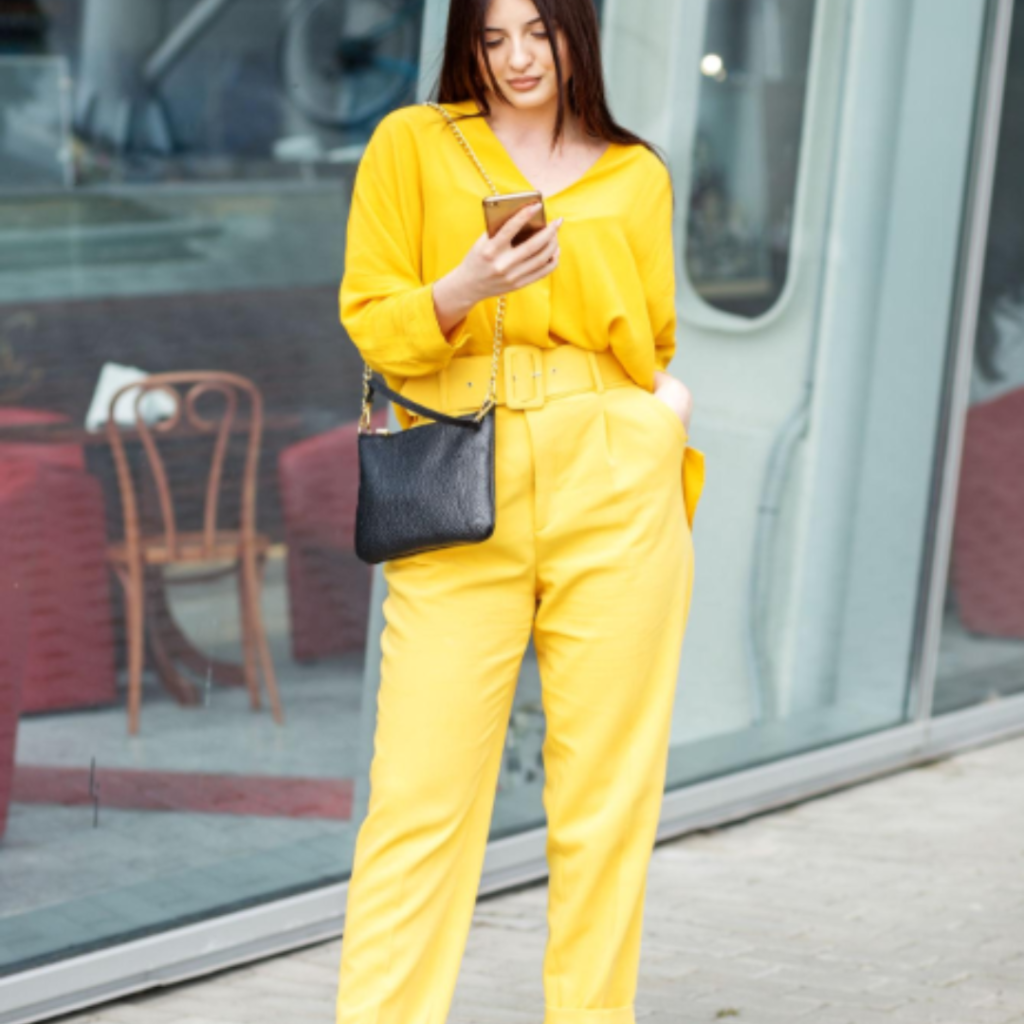
The Long-Term Benefits of Fashion Confidence
The benefits of fashion confidence extend beyond individual social events. Developing a strong personal style can contribute to lasting self-esteem, stronger communication skills, and more meaningful relationships. Confidence through fashion supports personal growth by encouraging individuals to express themselves openly and authentically.
As people become more comfortable with their appearance, they often feel more willing to embrace new opportunities. Social gatherings, professional networking events, and community activities become less intimidating when individuals trust their personal style and identity.
Fashion confidence also encourages self-awareness. The process of developing a personal style often involves understanding preferences, values, and goals. This deeper self-knowledge contributes to stronger confidence both socially and personally.
While fashion should never define self-worth, it can serve as a valuable tool for enhancing confidence and supporting positive social experiences. The key is using fashion as a form of self-expression rather than a source of comparison.
Conclusion
Fashion strengthens social confidence by helping individuals express their identity, improve self-esteem, and feel more comfortable in social situations. Through personal style confidence, fashion communication, and authentic self-expression, clothing becomes more than a visual choice—it becomes a powerful support system for social interaction.
The connection between fashion confidence and social confidence continues to influence how people engage with others, build relationships, and navigate new experiences. By embracing a fashion identity that reflects individuality and personal values, individuals can approach social settings with greater comfort, confidence, and authenticity.
As trends evolve and styles change, the true power of fashion remains the same. It helps people feel seen, understood, and confident enough to share their unique personality with the world.